
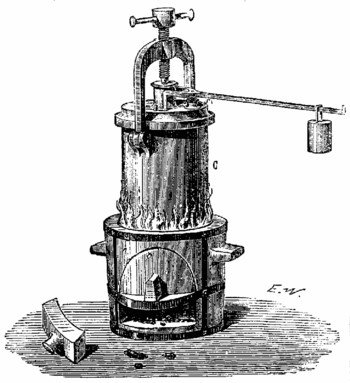
As we stand in our kitchens, effortlessly cooking meals with the help of our trusty pressure cookers, it’s hard to believe that these incredible devices have such a rich and fascinating history. One name stands out above the rest: Denis Papin, the French inventor who is credited with creating the first pressure cooker. In this article, we’ll delve into the life and times of Papin, explore how he stumbled upon the concept of the pressure cooker, and learn about its evolution over time.
Who was Denis Papin?
Born in France in 1647, Denis Papin was a man ahead of his time. With degrees in medicine from the Jesuit order and an assistant to the renowned astronomer Christian Huygens, Papin’s life was filled with adventure, innovation, and tragedy. As a Calvinist, he faced persecution in France during the reign of Louis XIV and eventually fled to Italy before moving to England and Germany, where he found new opportunities for scientific discovery.
Despite his impressive background, Papin struggled as a professor at Marburg University in Germany, but his talents did not go unnoticed by influential figures like Prince Leopold of Brunswick. This patronage led to Papin’s appointment as a member of the Berlin Academy, although his life was cut short soon after.
The Invention of the Pressure Cooker
Papin’s journey took him from France to Italy and England, during which he invented various gadgets, including the pressure cooker. The story goes that while observing steam escaping from boiling water, Papin realized that by containing this steam within a sealed vessel, he could achieve remarkable results in cooking times and energy efficiency.
In his own words, Papin described his invention: “A machine to cook food more quickly and efficiently.” He envisioned a device for the masses, particularly those of lower economic status, who would benefit from faster cooking times and reduced gas consumption. His original design featured an ermetic seal, external heating, and a valve for releasing excess pressure.
Although Papin’s “digestor” was not the same as our modern pressure cookers, his concept laid the groundwork for future innovations.
The Evolution of the Pressure Cooker
Over time, the pressure cooker underwent significant transformations. In 1874, American inventor Andrei K. Shriver patented variants of the digestor, which eventually led to the development of the first modern pressure cookers. By the early 20th century, these new devices had emerged as the norm.
The first electric pressure cookers appeared in the mid-20th century, followed by automatic timers and safety valves that ensured safe and efficient cooking. Today, we enjoy a wide range of pressure cooker models with advanced features like multi-layered heat exchangers, precise temperature control, and durable designs. The concept of Papin’s original invention has evolved into an incredibly versatile kitchen tool capable of not only cooking faster but also preserving flavor and nutrients in food.
How Does the Pressure Cooker Work?
So, how does this incredible device actually work its magic?
At its core, a pressure cooker relies on the principle of steam building up inside the pot. The lid serves as an ermetic seal that prevents moisture from escaping, while the heating element raises the temperature to create high pressure within the vessel.
As the air escapes through the valve, the condensed water droplets in the cooler area of the pot vaporize and form more steam, causing even more pressure buildup. This creates a self-sustaining cycle where heat is transferred efficiently between the inner and outer surfaces of the pot.
Benefits of Using a Pressure Cooker
So what makes this kitchen gadget so beneficial?
• Fast Cooking Times: Pressure cookers can chop an hour into mere minutes by leveraging high pressure to accelerate cooking times.
• Energy Efficiency: By reducing the amount of water lost through evaporation, these devices save energy and gas for users.
• Improved Texture and Flavor Preservation: The sealed environment and controlled heat transfer ensure more evenly cooked meals that retain their natural flavors.
The Science Behind Pressure Cooking
Pressure cooking is based on the principle of thermodynamics, where heat is transferred efficiently between the inner and outer surfaces of the pot. This process creates a high-pressure environment that accelerates chemical reactions and molecular movements within food molecules.
In essence, pressure cooking is similar to sous vide cooking, but instead of using controlled water temperatures, it relies on the buildup of steam pressure to achieve consistent results.
Modern Pressure Cooker Innovations
Today’s pressure cookers have evolved into sophisticated kitchen tools capable of handling a wide range of culinary tasks. Some notable innovations include:
- Multi-layered Heat Exchangers: These advanced designs allow for more efficient heat transfer and faster cooking times.
- Precise Temperature Control: Modern pressure cookers often feature digital temperature controls, ensuring precise control over cooking temperatures.
- Durable Designs: Pressure cooker manufacturers now prioritize durability, using high-quality materials that withstand the rigors of frequent use.
Tips and Tricks for Using a Pressure Cooker
To get the most out of your pressure cooker, here are some valuable tips and tricks:
- Choose the Right Size: Select a pressure cooker that’s suitable for the type and quantity of food you plan to cook.
- Use the Right Cooking Liquid: A sufficient amount of liquid is essential for achieving even cooking and preventing scorching.
- Don’t Overcrowd the Pot: Cook in batches if necessary, to ensure proper air circulation and prevent overpressure buildup.
Conclusion
In conclusion, the story of Denis Papin and his pressure cooker invention is an inspiring tale of scientific innovation, perseverance, and human ingenuity. As we continue to push the boundaries of culinary technology, it’s essential to remember where our modern conveniences come from.
Whether you’re a seasoned chef or just starting out in your kitchen adventures, embracing the principles of Papin’s original design can help you unlock new possibilities for speed, efficiency, and delicious meals.
FAQs
- What inspired Denis Papin to create the pressure cooker?
Denis Papin was fascinated by the properties of steam when he observed it escaping from boiling water. - How did Papin’s invention evolve over time?
Papin’s concept led to significant innovations in the development of modern pressure cookers, with improvements made through various patents and technological advancements. - What are some benefits of using a pressure cooker?
Pressure cookers offer faster cooking times, reduced energy consumption, improved texture preservation, and enhanced flavor retention. - Can I use any type of pot or pan as a substitute for a pressure cooker?
No; a dedicated pressure cooker is necessary due to the unique design requirements that ensure safe operation under high pressure. -
Is it true that pressure cookers can reduce cooking time by up to 70%?
This statement may be an overstatement, but most users agree that pressure cooking does indeed speed up meal preparation significantly. -
How do I properly use and clean a pressure cooker?
Always follow the manufacturer’s guidelines for usage, safety precautions, and cleaning procedures to ensure optimal performance and longevity. -
Can I cook delicate foods in a pressure cooker?
With careful attention to temperature settings and cooking times, most types of food can be successfully cooked using a pressure cooker. -
Will my pressure cooker affect the nutritional value of my meals?
A well-designed pressure cooker should retain essential nutrients during cooking, although it’s crucial to ensure that you’re not overcooking or losing valuable water content through evaporation.
Common Pressure Cooker Mistakes
To avoid common pitfalls and ensure safe and efficient cooking, be mindful of the following:
- Overloading the Pot: Leave enough space for air circulation and prevent overpressure buildup.
- Not Following Safety Guidelines: Always follow manufacturer guidelines for usage, cleaning, and maintenance to avoid accidents.
- Using the Wrong Cooking Liquid: Choose a suitable liquid level and type to ensure proper cooking results.
**Keep in touch for more culinary insights and kitchen hacks!


