
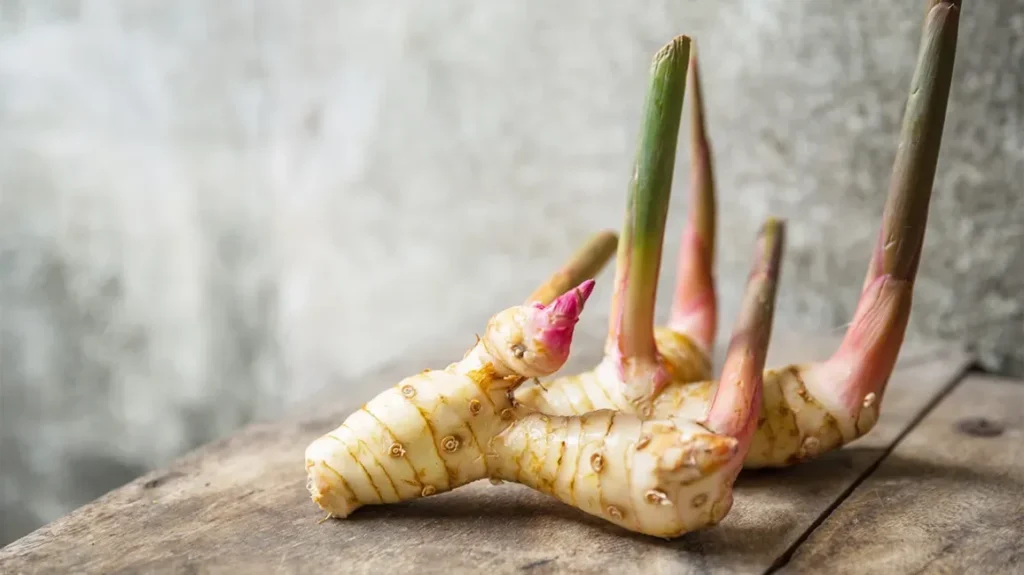
Imagine a spice that combines the sweetness of fruit with the spiciness of ginger, yet without the overpowering heat. Welcome to galanga, the lesser-known gem from Southeast Asia that has been used for centuries in traditional medicine and cooking.
In this article, we’ll delve into the world of galanga, exploring its origins, properties, uses, and potential benefits. From its unique flavor profile to its medicinal applications, discover why galanga is an essential ingredient in many Asian dishes and a hidden treasure in your kitchen.
What is Galanga?
Galanga, also known as Thai ginger, belongs to the Zingiberaceae family and has a distinct taste that’s both sweet and spicy. Unlike regular ginger, galanga has a milder flavor with a hint of fruitiness, making it an excellent addition to various dishes.
The Root of Galanga
Galanga’s popularity spread throughout Europe through trade routes with Asia, but its use declined as ginger gained prominence. However, this root still holds significant medicinal value and is an essential ingredient in many Southeast Asian cuisines.
Properties of Galanga
Galanga boasts numerous health benefits, recognized by traditional Chinese medicine. Its primary applications concern the respiratory system, making it an effective remedy for colds, coughs, and sore throats.
Some of galanga’s key properties include:
- Antioxidant
- Anti-inflammatory
- Bacteriostatic
- Antiviral
- Anticancer
- Pain-relieving
- Fertility-enhancing
These benefits are attributed to the presence of flavonoids, tannins, and essential oils in galanga.
How to Use Galanga
Galanga can be consumed fresh or dried, making it easy to incorporate into your diet. The root is typically used whole or crushed/ground to release its intense flavor. You can also find galanga powder online or in stores for added convenience.
Galanga in Cooking
Galanga’s unique flavor pairs well with other ingredients like garlic, lemon, chili pepper, and white pepper. It’s commonly used in Thai cuisine to make curries, soups, and stews.
In India, galanga is added to tea blends or personal hygiene products for its distinct taste.
Contraindications of Galanga
While galanga is generally considered safe, there are some precautions to take:
- Pregnant women should consult their doctor before using galanga due to potential side effects like nausea and vomiting.
- Individuals with delicate stomachs may experience discomfort when consuming galanga.
- Interactions with medications can lead to adverse reactions.
Culinary Uses of Galanga
Galanga’s versatility makes it a great addition to various dishes:
- Soups and Stews: Add sliced or crushed galanga to your favorite soups for an extra boost of flavor.
- Curries: Mix galanga powder with other spices to create a unique and aromatic curry paste.
- Tea Blends: Combine galanga root with other herbs like peppermint, chamomile, or lemongrass for a soothing tea blend.
- Desserts: Use galanga in baked goods like cakes, cookies, or muffins to add sweetness and spice.
Medicinal Applications of Galanga
Galanga’s medicinal properties have been recognized for centuries:
- Cold and Cough Remedies: Boil galanga root in water to create a soothing tea that can help alleviate cold and cough symptoms.
- Digestive Issues: Consume fresh or dried galanga as a natural remedy for digestive problems like bloating, gas, and indigestion.
- Inflammation Relief: Apply galanga oil topically to reduce inflammation and pain in joints and muscles.
Galanga Oil
Galanga oil is extracted from the root of the plant through a cold-pressing process. This oil holds potent medicinal properties:
- Antibacterial Properties: Galanga oil has been shown to exhibit antibacterial activity against certain pathogens.
- Anti-inflammatory Effects: The oil’s anti-inflammatory properties can help reduce swelling and pain in joints and muscles.
Benefits of Galanga Oil
Galanga oil offers numerous health benefits, including:
- Improved Digestion: Consume galanga oil orally or apply it topically to alleviate digestive issues.
- Antibacterial Protection: Use galanga oil as a natural remedy for wounds and cuts to prevent infection.
- Pain Relief: Apply galanga oil topically to reduce pain and inflammation in joints and muscles.
Conclusion
Galanga is a versatile spice with a rich history, offering numerous health benefits and culinary applications. Whether you’re exploring traditional Asian cuisine or seeking new ways to enhance your cooking skills, galanga is an excellent addition to your kitchen arsenal.
By understanding the properties and uses of galanga, you can unlock its potential and discover a world of flavors and health benefits waiting to be explored.
Frequently Asked Questions (FAQs)
What is galanga?
Galanga, also known as Thai ginger, is a spice from Southeast Asia with unique flavor profile and medicinal properties.
Is galanga safe to consume?
Galanga is generally considered safe, but pregnant women and individuals with delicate stomachs should consult their doctor before using it.
Can I use galanga powder in cooking?
Yes, galanga powder can be used as a convenient alternative to fresh or dried roots. Simply add it to your desired recipes for an added boost of flavor and nutrition.
How do I store galanga?
Fresh galanga roots can be stored in the refrigerator for several weeks. Dried galanga powder can be kept in a cool, dry place.
Can I use galanga oil for medicinal purposes?
While galanga oil holds potential health benefits, its effects have not been thoroughly analyzed by traditional medicine. Consult with your doctor before using it for medicinal purposes.
Yes, galanga and ginger are closely related spices belonging to the Zingiberaceae family.
Can I use galanga in herbal remedies?
Galanga has been used in traditional Chinese medicine to treat various ailments, but its effects have not been extensively studied. Consult with your doctor before using it for medicinal purposes.
How do I get galanga powder online?
You can find galanga powder online through retailers like Amazon or specialty spice stores. Simply search for “galanga powder” and browse the results.


