
Introduction
As the world grapples with water pollution, finding effective and sustainable solutions to clean our water sources is more crucial than ever. One natural filtration system that has gained attention in recent years is the use of water lentils, also known as Lemma minor. In this article, we will delve into the world of water lentil filtration, exploring its benefits, limitations, and applications.
What are Water Lentils?
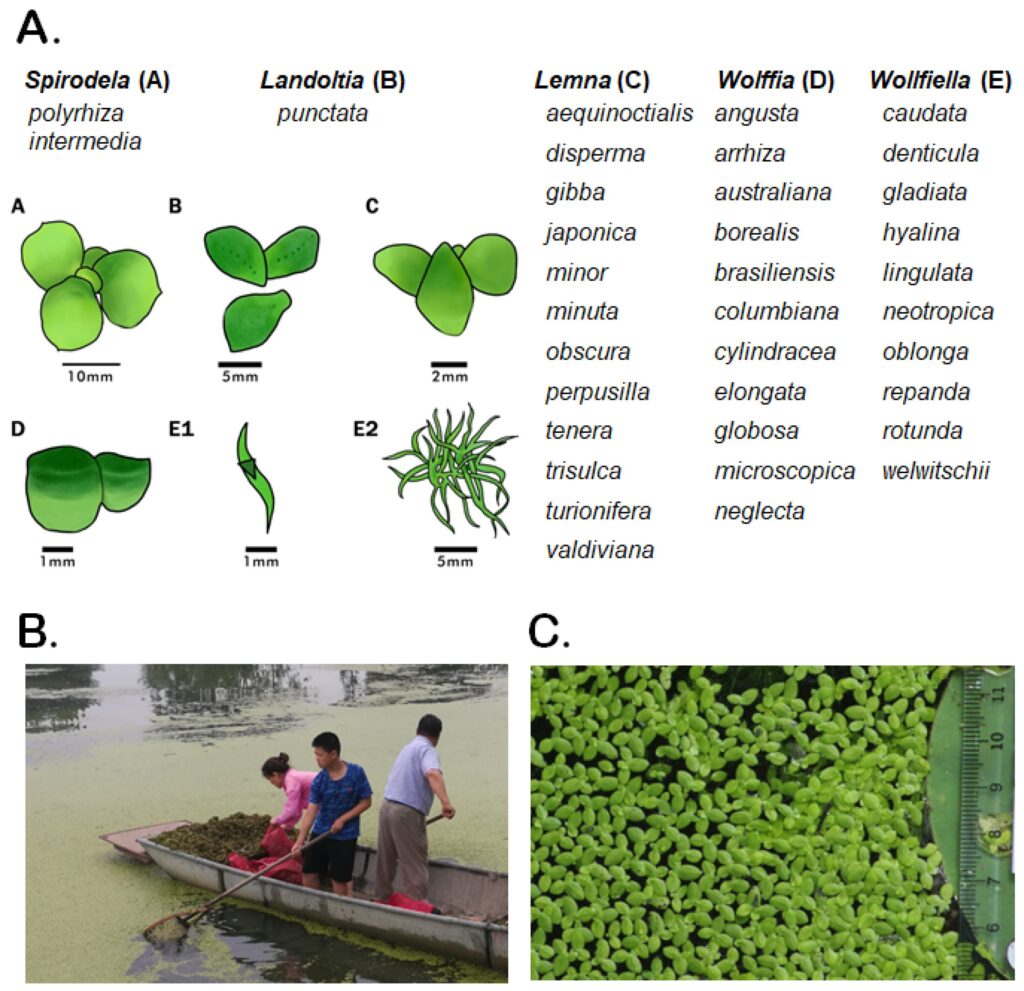
Water lentils, or Lemma minor, are a type of aquatic plant that has been widely distributed across the globe due to human activity. They have adapted to various climates and can reproduce rapidly, forming a dense mat on the surface of the water. This unique characteristic makes them an attractive option for natural water filtration.
How does Water Lentil Filtration Work?
Water lentils work through a combination of absorption and filtration. The plant’s extensive root system allows it to absorb large amounts of nutrients, including excess nitrogen, phosphorus, and other pollutants from the water. At the same time, the plant’s surface absorbs light, which prevents photosynthesis and inhibits the growth of algae.
As a result, the decomposition of organic matter on the bottom of the pond or lake increases, producing simple molecules like ammonia, hydrogen sulfide, and methane. These gases rise to the surface, where they meet oxygen, which oxidizes them, preventing the formation of unpleasant odors.
Benefits of Water Lentil Filtration
- Natural and Sustainable: Water lentils are a natural, sustainable solution for water filtration, eliminating the need for chemical treatments.
- Effective Pest Control: The plant’s ability to absorb nutrients also prevents the growth of algae, which can harm aquatic life.
- Low Maintenance: Once established, water lentils require minimal maintenance and care.
Limitations of Water Lentil Filtration
- Scaleability: Water lentils are best suited for small-scale applications, such as ponds or lakes, rather than large-scale industrial processes.
- Speed of Deployment: The plant’s rapid growth can lead to clogging of the pond or lake, making it less suitable for areas with high water flow.
Applications of Water Lentil Filtration
- Agricultural Waste Treatment: Water lentils can be used as a pre-treatment for agricultural waste and industrial effluents.
- Small-Scale Aquaculture: The plant’s natural filtration capabilities make it an ideal solution for small-scale aquaculture operations.
- Landscape Design: Water lentils can also be used in landscape design to create natural water features.
Conclusion
Water lentil filtration is a unique and effective solution for natural water purification. While its limitations must be considered, the benefits of this system make it an attractive option for small-scale applications and agricultural waste treatment. As we strive to find sustainable solutions to our water pollution problems, the use of water lentils is definitely worth exploring.
Frequently Asked Questions
- Q: How do I establish a water lentil filter?
A: To establish a water lentil filter, simply introduce healthy water lentils into your pond or lake and allow them to grow. You may need to add additional nutrients and care for optimal growth.
- Q: Are water lentils invasive in some areas?
A: Yes, water lentils can be invasive in certain regions due to their ability to outcompete native species. Careful consideration should be taken when introducing this plant into new environments.
- Q: Can water lentil filters remove all pollutants from the water?
A: While water lentils are effective at removing excess nutrients and pollutants, they may not remove all contaminants from the water. Additional treatment methods may be necessary for complete purification.
- Q: Are there any potential risks associated with using water lentil filters?
A: The primary risk is the potential clogging of the pond or lake due to the rapid growth of the plant. Regular maintenance and monitoring can help mitigate this issue.
- Q: How long does it take for water lentils to establish themselves in a new environment?
A: Water lentils typically take several months to establish themselves in a new environment, depending on factors like climate, water temperature, and nutrient availability.
- Q: Can water lentil filters be used in conjunction with other filtration systems?
A: Yes, water lentil filters can be used in combination with other filtration methods for enhanced effectiveness.
- Q: Are there any local regulations or restrictions on the use of water lentils as a filtration method?
A: It is essential to check with local authorities before introducing water lentils into new environments to ensure compliance with any regulations or restrictions.
- Q: Can I grow water lentils in my home aquarium?
A: Water lentils can be grown in home aquariums, but they may require special care and attention to thrive.
Benefits of Using Water Lentil Filtration Systems
- Cost-Effective: Water lentil filtration systems are generally less expensive than traditional filtration methods.
- Low Maintenance: Once established, water lentils require minimal maintenance and care.
Challenges and Limitations of Water Lentil Filtration Systems
- Scalability: Water lentil filtration systems may not be suitable for large-scale industrial processes.
- Speed of Deployment: The plant’s rapid growth can lead to clogging of the pond or lake, making it less suitable for areas with high water flow.
Real-World Applications of Water Lentil Filtration Systems
- Small-Scale Aquaculture: Water lentil filtration systems have been used successfully in small-scale aquaculture operations.
- Agricultural Waste Treatment: The plant’s natural filtration capabilities make it an ideal solution for agricultural waste treatment.
Future Research Directions
- Scaling Up: Further research is needed to develop more efficient and scalable water lentil filtration systems.
- Understanding Plant Growth: More studies are required to understand the optimal growing conditions and nutrient requirements for water lentils.
In conclusion, water lentil filtration systems offer a natural, sustainable solution for cleaning polluted water sources. While challenges and limitations exist, further research and development can help overcome these obstacles and unlock the full potential of this innovative technology.


