
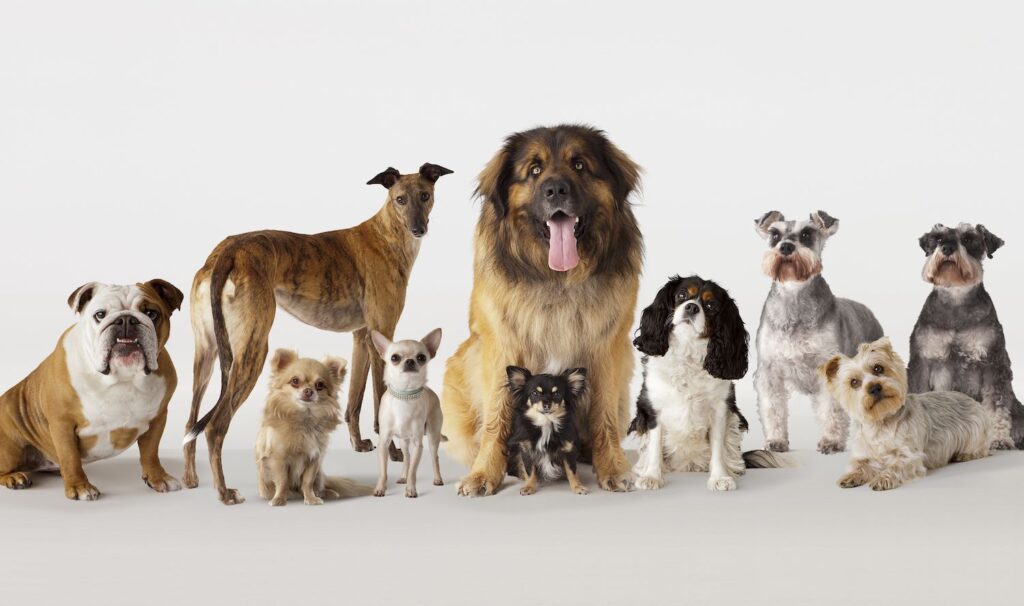
As a dog enthusiast, it’s natural to be curious about the various breeds that exist. With over 400 recognized breeds worldwide, choosing the right breed can be overwhelming. In this article, we’ll explore the different ways dogs are classified, from breed and size to temperament, coat type, and hunting ability.
Breed Classification: A Systematic Approach
The Fédération Cynologique Internationale (FCI) is responsible for classifying dog breeds globally. They recognize 400 distinct breeds, each with its unique characteristics. In contrast, the Ente Nazionale della Cinofilia Italiana (ENCI) divides these breeds into 10 groups, using a combination of breed identifier and optional variety codes.
For a more detailed look at dog breeds, we recommend checking out our article on the list of dog breeds in alphabetical order, along with individual breed sheets. This comprehensive resource will help you navigate the world of dog breeding.
Dog Breeds by Size: A Guide to Small, Medium, and Large
Dogs are generally categorized into three size groups: small, medium, and large. Understanding these categories is essential for choosing a breed that suits your lifestyle.
- Small-sized dogs: These breeds typically weigh between 5 and 10 kg (11-22 lbs). Some popular examples include the Barbone, Carlino, Cavalier King Charles Spaniel, Jack Russell Terrier, Shih Tzu, Volpino Italiano, and Yorkshire Terrier.
- Medium-sized dogs: This category includes breeds that weigh between 11 and 25 kg (24-55 lbs). Medium-sized dogs are diverse, with popular breeds like the Beagle Harrier, Bulldog, Chow Chow, Cirneco dell’Etna, Cocker Spaniel English, Lagotto Romagnolo, Levriero Afghano, Segugio Italiano, Shiba Inu, Siberian Husky, and Welsh Corgi.
- Large-sized dogs: Also known as “maxi,” these breeds typically weigh over 25 kg (55 lbs). Some notable large breeds include the Bovaro delle Fiandre, Cane Lupo Cecoslovacco, Cane da Pastore Maremmano, Dalmata, Dobermann, Dogo Argentino, Schnauzer, Spinone Italiano, and Weimaraner.
Temperament: The Hidden Aspect of Breed Classification
Just like humans, dogs have unique temperaments that can make them more or less suitable for certain households. It’s essential to consider a breed’s temperament when deciding whether it’s the right fit for you.
- Breeds suitable for children: Breeds like the Alano, Bearder Collie, Boxer, Golden Retriever, Maltese, and Pinscher are known for their non-aggressive nature, patience, and playfulness.
- Hunting breeds: Dogs bred for hunting have distinct characteristics that enable them to excel in specific roles. For example:
- Hunting stills: Breeds like the Pointer English, Setter English, and Italian Bracco freeze in position or indicate wild game presence to hunters.
- Hunting retrievers: Golden Retrievers recover downed game after it’s been shot by hunters.
- Dogs followed or followers: Breeds like the Segugio dei Balcani, Segugio dell’Appennino, and Beagle Harrier track and pursue wild animals for hunters.
- Hunting dens: Dogs like the Fox Terrier and German Spitz enter small animal dens to flush out game for hunters.
- Bloodhounds: These dogs have an exceptional sense of smell, used for tracking wounded game due to their ability to follow olfactory trails.
Coat Type: A Reflection of Breed Characteristics
A dog’s coat type is just one aspect of breed classification. While some breeds are suited for specific climates or activities, others are prized for their unique appearance.
- Dogs with white coats: Breeds like the Bishon Maltese, Barboncino White, Bedlington Terrier, Coton de Tulear, Spitz Japanese, Bull Terrier, and Puli can all be found in white.
- Dogs with black coats: These breeds, such as the Barbone or Terranova, can display varying shades of black.
Grooming Needs: A Crucial Aspect of Dog Care
Grooming is an essential aspect of dog care, regardless of breed. Some breeds require regular grooming to prevent matting and tangling, while others need less maintenance.
- Short-haired breeds: Dogs like the Boxer, Bulldog, and Greyhound have short coats that require minimal grooming.
- Long-haired breeds: Breeds like the Afghan Hound, Golden Retriever, and Siberian Husky need regular brushing to prevent matting and tangling.
- Hairless breeds: Dogs like the Chinese Crested and Xoloitzcuintli (Mexican Hairless Dog) require regular skin care and nail trimming.
Exercise Needs: A Key Consideration for Breed Selection
Dogs have different exercise needs based on their breed, size, and age. It’s essential to consider these factors when choosing a breed that suits your lifestyle.
- High-energy breeds: Breeds like the Border Collie, Australian Shepherd, and Dalmatian require regular exercise and mental stimulation.
- Low-maintenance breeds: Breeds like the Bulldog, Pug, and Shih Tzu are content with shorter walks and playtime.
Health Considerations: Breed-Specific Issues
Some breeds are prone to specific health issues due to their genetic makeup. It’s essential to research a breed’s potential health concerns before making a decision.
- Hip dysplasia: Breeds like the German Shepherd, Golden Retriever, and Labrador Retriever can be susceptible to hip dysplasia.
- Eye problems: Breeds like the Poodle, Basset Hound, and Shih Tzu can be prone to eye issues like cataracts and progressive retinal atrophy.
Conclusion
Classifying dogs into breed groups may seem straightforward, but it’s essential to consider multiple factors when choosing a breed. Whether you’re looking for a small companion dog or a hunting partner, understanding the diversity of dog breeds will help you make an informed decision.
Frequently Asked Questions (FAQs)
- What is the main difference between FCI and ENCI classification systems?
The FCI classifies dogs into 400 distinct breeds, while ENCI divides them into 10 groups with unique identifiers and optional variety codes. - How can I determine if a breed is suitable for children?
Research the breed’s temperament and look for characteristics like non-aggression, patience, and playfulness. - What are hunting breeds, and how do they differ from other breeds?
Hunting breeds have distinct characteristics that enable them to excel in specific roles, such as tracking, pursuing, or retrieving wild game. - Can I train any dog breed for hunting?
While some breeds may be more naturally suited for hunting, training is still possible with patience and proper guidance. - What’s the difference between a bloodhound and a general-purpose hunting breed?
Bloodhounds have an exceptional sense of smell, making them ideal for tracking wounded game due to their ability to follow olfactory trails. - How often do I need to groom my dog based on its coat type?
Grooming needs vary depending on the breed’s coat type and length, but regular grooming is essential for maintaining your dog’s overall health. - Can I get a large-sized dog if I live in a small apartment?
While larger breeds may not be ideal for small apartments, some can adapt to urban living with proper exercise and training. - How do I choose between different sizes of dogs when considering factors like exercise needs and space requirements?
Consider your lifestyle, available space, and the breed’s exercise needs before deciding on a dog size.
By considering these factors, you’ll be better equipped to make an informed decision when choosing a breed that suits your lifestyle. Remember, every dog is unique, and it’s essential to research and understand their specific needs and characteristics before bringing them home.


