
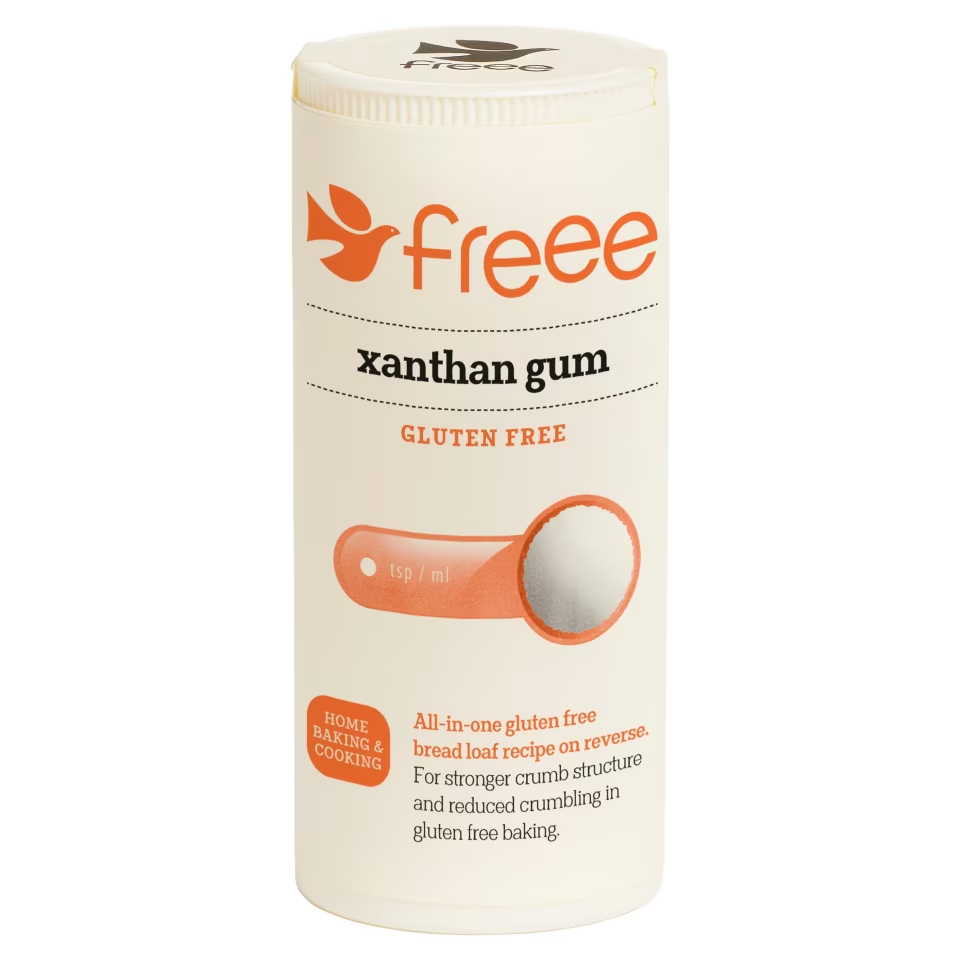
Xanthan gum, a name few people know, but with depth in use reveals itself to be much more common than cited. Found in the dietetic and many nutritional supplements, in the pharmaceutical sector, as an additive food, and even in cosmetics where it proves to be an excellent stabilizer for suspensions and emulsions because it prevents separation of various ingredients.
What is Xanthan Gum?
With the code E415, we can find xanthan gum used as a thickening agent and stabilizer in many food products. Let’s take a closer look at food labels. Among the ingredients listed, you’ll likely find it at the bottom of the list because just a small amount (0.5-1% or less) of this additive is enough to increase the viscosity of a drink or the consistency of an item.
Origin and Production
Xanthan gum is derived from natural ceppi of Xanthomonas campestris, hence its name. The preparation process involves microbacterial fermentation, followed by extraction using ethanol or propanol, then drying and grinding to produce the final product. When purchased, xanthan gum appears as a cream-colored powder that dissolves in water or brine but not in alcohol.
Gluten Content
As xanthan gum may be derived from common allergens such as wheat, barley, dairy, or soy, it’s essential to note that its gluten content is typically very low (less than 20 ppm), allowing for the labeling of products as “gluten-free” according to EU regulations. However, reactions and intolerance due to protein components in corn, soy, or wheat are more likely.
Gluten-Free Status
The low gluten content of xanthan gum makes it an excellent option for individuals with celiac disease or those who follow a gluten-free diet. In fact, many food manufacturers now use xanthan gum as a natural alternative to other thickeners that may contain gluten. If you’re looking for a gluten-free thickening agent, xanthan gum is definitely worth considering.
What is Xanthan Gum?
Defining xanthan gum as a complex carbohydrate, it’s a polysaccharide characterized by its high molecular weight. It’s produced through microbial fermentation of a simple sugar like glucose or sucrose. Comprising D-glucose and D-mannosio monomers, along with acetic acid glucuronate and pyruvic acid, xanthan gum plays a crucial role in modulating carbohydrate absorption, lowering the glycemic index and insulin levels, which makes it beneficial for individuals suffering from hyperglycemia, hypertriglyceridemia, or type 2 diabetes. Additionally, it aids digestion by absorbing water, making bowel movements easier.
Digestive Health Benefits
Xanthan gum’s ability to absorb water and stimulate digestive enzymes has led to its use in various health supplements. These include probiotics, digestive enzymes, and even colon cleansing products. While the scientific evidence supporting these claims is still limited, many individuals report improved digestion and reduced symptoms of irritable bowel syndrome (IBS) after consuming xanthan gum.
Using Xanthan Gum in Recipes
More than recipes, we’ll explore labels as xanthan gum is commonly found in sauces, gravies, desserts, and gluten-free products. Its presence allows these items to be rewarmed or refrigerated without losing their consistency. As an dietary supplement, xanthan gum also enhances appetitiveness, satiety, and texture, often found in low-fat foods, baked goods without gluten, or meal substitutes.
Using Xanthan Gum as a Thickening Agent
Xanthan gum’s ability to thicken liquids makes it a versatile ingredient for cooking. In sauces, gravies, and dressings, xanthan gum can help maintain consistency even after refrigeration or reheating. In baked goods, such as cakes, cookies, and muffins, xanthan gum adds texture and structure without making the final product too dense or dry.
Using Xanthan Gum in Skincare
In addition to its uses in food and supplements, xanthan gum is also found in some skincare products. As an emulsifier, xanthan gum helps mix oil and water-based ingredients together, creating a smooth and consistent texture that’s perfect for moisturizers, creams, and serums.
Using Xanthan Gum in Haircare
Xanthan gum is also used in some haircare products, such as shampoos and conditioners. As an emulsifier, xanthan gum helps mix oil and water-based ingredients together, creating a smooth and consistent texture that’s perfect for nourishing and moisturizing the hair.
Buying Xanthan Gum
Xanthan gum is not commonly found in supermarkets but can be purchased at pharmacies or specialty stores. Before buying, consider the potential drawbacks of consuming xanthan gum as it may interact with certain medications, trigger allergies, and cause digestive issues. It’s recommended to avoid giving it to newborns and individuals already taking nutritional supplements.
Buying Xanthan Gum Online
On Amazon, you can purchase a 250g container of xanthan gum for approximately €13. However, be sure to check the product label and reviews before making a purchase online to ensure that you’re getting high-quality xanthan gum from a reputable supplier.
Precautions When Using Xanthan Gum
While xanthan gum is generally considered safe for consumption, there are some precautions to be aware of. Some individuals may experience allergic reactions or digestive issues when consuming xanthan gum. Additionally, xanthan gum can interact with certain medications, such as blood thinners and diabetes medications.
Conclusion
In this article, we have delved into the mysterious world of xanthan gum, uncovering its various uses, benefits, and potential drawbacks. Whether you’re looking for a natural thickening agent or an ingredient to aid digestion, xanthan gum is definitely worth exploring.
Frequently Asked Questions (FAQs)
- What is Xanthan Gum?
Xanthan gum is a complex carbohydrate derived from microbacterial fermentation of sugar molecules. It’s commonly used as a thickening agent and stabilizer in food products.
- Is Xanthan Gum Gluten-Free?
Yes, xanthan gum typically contains very low levels of gluten (less than 20 ppm), making it suitable for labeling as “gluten-free” according to EU regulations.
- Can I Take Xanthan Gum with Medication?
Xanthan gum may interact with certain medications or trigger allergies in some individuals. Consult a healthcare professional before consuming xanthan gum, especially if you’re already taking supplements or have underlying health conditions.
- What are the Potential Side Effects of Xanthan Gum?
Possible side effects include digestive issues, allergic reactions, and interactions with other medications. If you experience any adverse effects, discontinue use and consult a healthcare professional.
- Can I Use Xanthan Gum as a Substitute for Other Thickening Agents?
Xanthan gum can be used in place of other thickening agents like cornstarch or tapioca starch, but it’s essential to adjust the ratio according to the specific recipe requirements.
- Where Can I Buy Xanthan Gum Online?
You can purchase xanthan gum on Amazon or from reputable online retailers that sell specialty ingredients.
- How Do I Store Xanthan Gum?
Xanthan gum should be stored in a cool, dry place to maintain its potency and prevent contamination.
- Can I Use Xanthan Gum for Cooking?
Yes, xanthan gum can be used as a thickening agent in various recipes, including sauces, gravies, desserts, and baked goods.
- What are the Benefits of Using Xanthan Gum in Skincare?
Xanthan gum is an excellent emulsifier that helps mix oil and water-based ingredients together, creating a smooth and consistent texture perfect for moisturizers, creams, and serums.
- Can I Use Xanthan Gum as a Haircare Ingredient?
Yes, xanthan gum can be used in haircare products such as shampoos and conditioners as an emulsifier to help mix oil and water-based ingredients together.


