
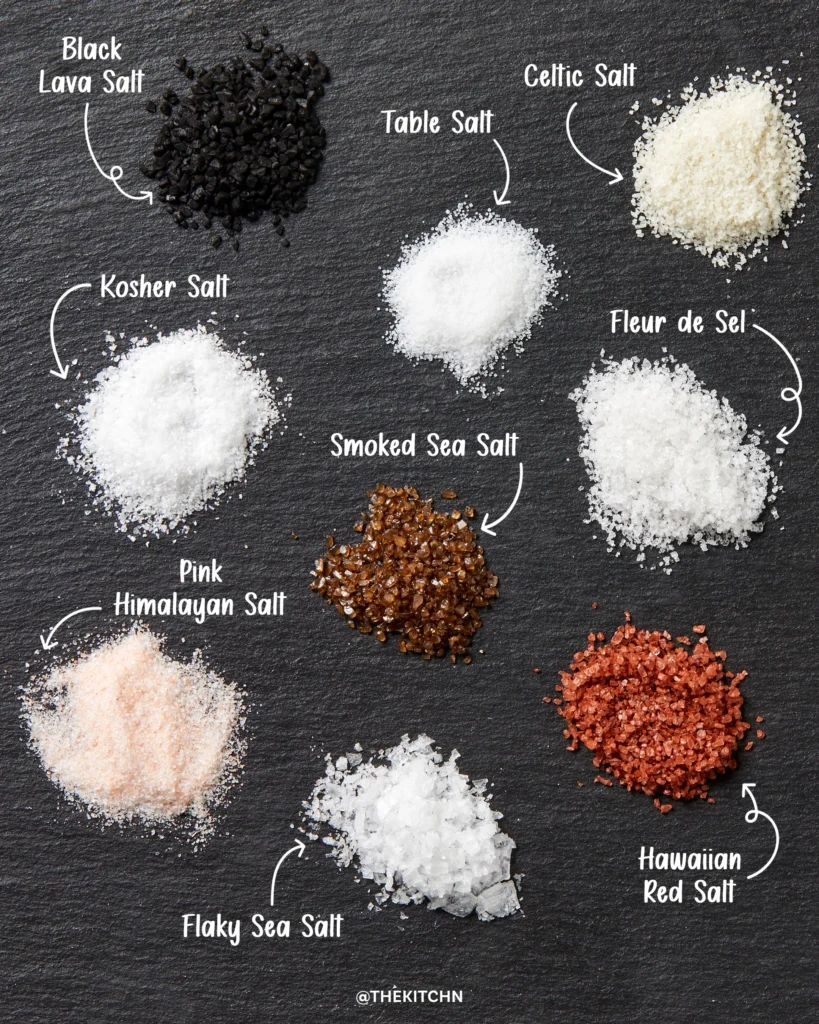
Salt has been a staple in our kitchens for centuries, but have you ever wondered what makes each type unique? From the vibrant colors to the distinct flavors, salt is more than just a seasoning – it’s an art form. In this article, we’ll delve into the fascinating world of salt and explore its various types, their properties, and uses.
Understanding Salt: A Brief History
Salt has been mined for thousands of years, with ancient civilizations harnessing its power to preserve food and create flavor profiles. Today, there are numerous types of salt, each with its own distinct characteristics. At the heart of every type of salt lies a common denominator – cloruro di sodio (sodium chloride) – but it’s the presence of other minerals that sets each one apart.
Classifying Salt: Marine and Mine
Let’s start by distinguishing between two primary types of salt: marine and mine. Marine salt is harvested from seawater, while mine salt is extracted from underground deposits. The color, flavor, and properties of these salts are all influenced by the presence of minerals added during the crystallization process or naturally occurring within the water.
Exploring the World of Salt: A Guide to Types
Here’s a comprehensive guide to some of the most popular types of salt:
- Halen Môn Salt: Also known as Anglesey Sea Salt, this Welsh sea salt is prized for its distinct flavor and aroma. Harvested from the Menai Strait in Anglesey, it’s a great addition to any dish.
- Red Hawaiian Salt: This vibrant red salt is made from seawater and contains high levels of iron oxide, which gives it its distinctive color. It has a mild, sweet flavor that pairs well with fish and seafood.
- Black Lava Salt: A type of volcanic rock salt, Black Lava Salt is known for its dark color and rich flavor. It’s often used in traditional Hawaiian cooking to add depth and complexity to dishes.
- Kala Namak Salt: This Indian black salt has a distinctive sulfurous flavor and aroma. It’s often used in Ayurvedic medicine to aid digestion and relieve stress.
- Smoked Salt: Smoked salt is made by smoking sea salt over low heat, which gives it a rich, savory flavor. It’s perfect for adding depth to soups, stews, and roasted vegetables.
The Importance of Salt: Health Benefits and Uses
Salt plays a crucial role in our diet, not only as a seasoning but also as a health supplement. Here are some of the benefits of using salt:
- Preserves Food: Salt helps preserve food by drawing out moisture and preventing bacterial growth.
- Enhances Flavor: Salt enhances flavors by bringing out the natural sweetness of ingredients.
- Relieves Stress: Some types of salt, such as Kala Namak, have been shown to aid digestion and relieve stress.
The Science Behind Salt
Salt is composed of sodium chloride (NaCl), a compound that plays a vital role in many biological processes. Here are some fascinating facts about the science behind salt:
- Osmosis: Salt helps regulate osmosis by balancing the concentration of fluids within cells.
- Blood Pressure: Excessive salt consumption can lead to high blood pressure, but moderate amounts have been shown to lower blood pressure in some individuals.
- Digestion: Salt aids digestion by breaking down proteins and helping enzymes function properly.
The Cultural Significance of Salt
Salt has played a significant role in many cultures throughout history. Here are some fascinating facts about the cultural significance of salt:
- Food Preservation: Salt was used to preserve food before refrigeration, allowing people to store food for longer periods.
- Rituals and Ceremonies: In some cultures, salt is used in rituals and ceremonies to symbolize purification and spiritual growth.
- Currency: In ancient times, salt was used as a form of currency, particularly in areas where it was scarce.
The Environmental Impact of Salt
Salt can have both positive and negative environmental impacts. Here are some fascinating facts about the environmental impact of salt:
- Water Pollution: Excessive salt consumption can lead to water pollution, particularly if wastewater is released into rivers and oceans.
- Mineral Deficiencies: Overuse of salt can lead to mineral deficiencies in soil and plants.
- Ecosystem Balance: Salt plays a crucial role in maintaining ecosystem balance, particularly for marine life.
Conclusion
Salt is a remarkable substance that deserves our appreciation. From its vibrant colors to its distinct flavors, each type of salt offers unique benefits and uses. By exploring the world of salt, we can unlock new flavors and experiences in our kitchens. Whether you’re a seasoned chef or an adventurous home cook, there’s always something new to discover.
Frequently Asked Questions
- What is the difference between sea salt and table salt?
- Sea salt is harvested from seawater, while table salt is refined from underground deposits.
- Can I use any type of salt for cooking?
- Not all types of salt are suitable for cooking. Some, like Kala Namak, have a strong sulfurous flavor that may not be desirable in every dish.
- How can I add flavor to my food using salt?
- Experiment with different types of salt and seasoning combinations to find the perfect balance of flavors for your dishes.
- Is it true that some salts are better than others for health benefits?
- Some types of salt, like Himalayan pink salt, contain minerals that may aid digestion and relieve stress. However, more research is needed to confirm these claims.
- Can I make my own salt at home?
- Yes, you can make your own salt at home by evaporating seawater or using a food dehydrator.
By exploring the world of salt, we can gain a deeper appreciation for this incredible substance and unlock new flavors and experiences in our kitchens. Whether you’re a seasoned chef or an adventurous home cook, there’s always something new to discover.


