
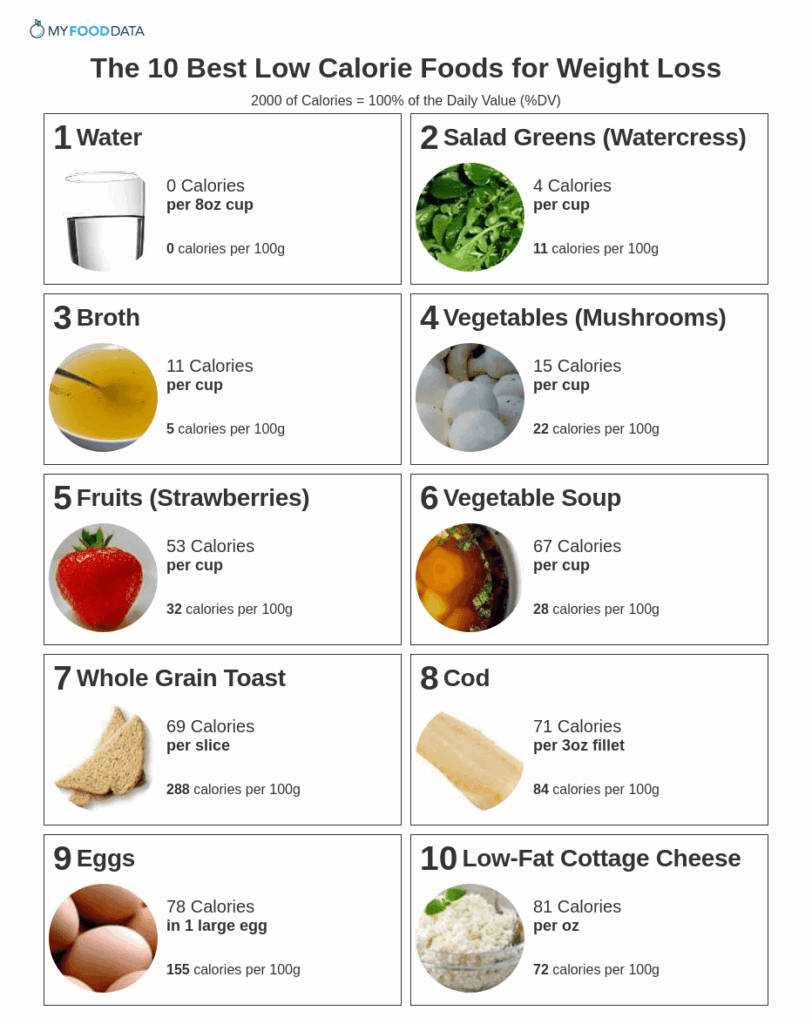
Understanding Calories and Weight Management
Calories are the unit of measurement for the energy released by various nutrient substances. At the same time, calories are also the unit of measurement for the expenditure of energy by various bodily functions, so in order to maintain a constant weight, the calories ingested must be equal to the calories expended by the body.
However, what if you’re struggling with weight loss? Is it all about cutting down on calories or increasing physical activity? The truth is, most people’s biggest problem isn’t excessive calorie intake – it’s the lack of physical activity, leading to a chronic positive energy balance and fat accumulation. To lose weight, you don’t need a specific diet; instead, focus on eliminating junk food and boosting your physical activity time.
The Importance of a Balanced Diet
While a restrictive diet might seem like a good idea, it’s essential to remember that most diets, unless prescribed by an expert nutritionist, can harm your metabolism and health. So, what are some low-calorie foods you can incorporate into your diet?
Incorporating Low-Calorie Foods into Your Diet
When it comes to buying fruits, vegetables, and greens, choose organic whenever possible. Many small producers may not have the organic label, but they still offer high-quality products. Before making a purchase, ensure that the produce is from an organic farm.
Here are some low-calorie foods you can add to your shopping list:
- Fennel (9 kcal per 100 grams)
- Zucchini (11 kcal per 100 grams)
- Spinach (12 kcal per 100 grams)
- Red Radicchio (13 kcal per 100 grams)
- Cucumber (14 kcal per 100 grams)
- Kale (15 kcal per 100 grams)
- Indivia (16 kcal per 100 grams)
- Beetta (17 kcal per 100 grams)
- Eggplant, Beans, Rape (18 kcal per 100 grams)
- Lettuce, Beets (19 kcal per 100 grams)
Adding Flavor without the Calories
While these listed foods are low in calories, there are other ingredients you can add to your salads for flavor and minimal extra calories. What about a salad with red radicchio, fennel, and pomegranate? The pomegranate adds flavor and only 16 kcal per 100 grams!
Green Salads: A Simple Way to Boost Nutrition
Create a green salad with tomatoes and lettuce for a simple way to boost your nutrition. Tomatoes have only 18 calories per 100 grams, but they’re rich in amino acids like glutamic acid, aspartic acid, threonine, and asparagine. Plus, growing tomatoes on your balcony is incredibly easy!
Tips for Incorporating Low-Calorie Foods into Your Diet
- Start by incorporating one or two new low-calorie foods per week into your diet.
- Experiment with different recipes and flavor combinations to keep your meals interesting.
- Use herbs and spices instead of salt to add flavor to your food.
- Choose whole grains over refined grains to increase fiber intake.
Foods High in Fiber for Weight Loss
High-fiber foods can help you feel full and satisfied, making it easier to stick to a weight loss diet. Some high-fiber foods include:
- Legumes (beans, lentils, chickpeas) (15-20 grams per 100 grams)
- Whole grains (brown rice, quinoa, whole wheat bread) (3-10 grams per 100 grams)
- Nuts and seeds (almonds, chia seeds, flaxseeds) (5-10 grams per 100 grams)
Foods High in Protein for Weight Loss
High-protein foods can help you feel full and satisfied, making it easier to stick to a weight loss diet. Some high-protein foods include:
- Lean meats (chicken, turkey, fish) (20-30 grams per 100 grams)
- Eggs (6-7 grams per large egg)
- Legumes (beans, lentils, chickpeas) (15-20 grams per 100 grams)
- Greek yogurt (10-15 grams per cup)
Conclusion: Taking Control of Your Weight
Low-calorie foods can be a great starting point for your weight loss journey. By incorporating these foods into your diet, you’ll not only reduce your calorie intake but also boost your overall nutrition. Remember to focus on physical activity and eliminate junk food to achieve a balanced lifestyle.
Frequently Asked Questions (FAQs)
Q: What is the best way to lose weight?
A: Focus on increasing physical activity time and eliminating junk food, rather than trying restrictive diets that can harm your metabolism.
Q: Why are organic foods more nutritious?
A: Organic produce tends to have higher nutrient content due to better growing conditions and reduced exposure to pesticides.
Q: Can I still eat calories without gaining weight?
A: Yes, as long as you’re balancing your calorie intake with physical activity and maintaining a healthy lifestyle.
Q: What are some low-calorie foods that add flavor to salads?
A: Consider adding ingredients like red radicchio, fennel, pomegranate, tomatoes, and lettuce to boost the flavor of your salads without excessive calories.
Q: Can I grow my own tomatoes on my balcony?
A: Yes! Growing tomatoes on your balcony is an easy way to add fresh produce to your diet while also enjoying the benefits of gardening.
Q: What are some other low-calorie foods besides vegetables and fruits?
A: Consider adding protein-rich foods like beans, lentils, and eggplant to your diet for added nutrition.
Q: How can I incorporate more physical activity into my daily routine?
A: Aim to increase your physical activity time by taking the stairs, walking to work, or engaging in activities you enjoy, such as cycling or swimming.
Q: Can I lose weight if I’m not physically active?
A: While it’s possible to lose some weight without increasing physical activity, maintaining a healthy lifestyle requires regular exercise and balanced nutrition.
Q: What are the benefits of eating organic produce?
A: Eating organic produce can provide numerous health benefits due to reduced exposure to pesticides, improved nutrient content, and better growing conditions.


