
As we go about our daily lives, it’s easy to overlook the little things that can affect our comfort and well-being. One such thing is mould, a type of fungus that thrives in damp environments. In this article, we’ll delve into the world of mould, exploring what it is, where it grows, why it forms, and most importantly, how to remove it.
What is Mould?
Let’s start with the basics. What is mould, exactly? Simply put, mould is a living organism that feeds on organic matter. It’s made up of tiny, thread-like structures called hyphae that branch out into a network of fine white or greenish filaments. This fungus can grow almost anywhere, but it thrives in damp environments.
Does Mould Cause Health Problems?
The good news is that mould itself doesn’t pose an immediate health risk to humans. However, the spores that it releases into the air can exacerbate respiratory issues like asthma and allergies. In severe cases, mould exposure can lead to more serious health problems, particularly for those with weakened immune systems.
Why Does Mould Grow in Our Homes?
So, why does mould grow in our homes in the first place? The answer lies in its love of damp environments. Places like basements, bathrooms, and laundry rooms create ideal conditions for mould growth due to their high humidity levels. Other factors like poor ventilation, leaky pipes, and water damage can also contribute to an infestation.
Where Does Mould Typically Form?
Mould can grow on a variety of surfaces in our homes, including:
- Walls and ceilings
- Floors and subfloors
- Bathroom tiles and grout
- Kitchen countertops and appliances
- Carpets and upholstered furniture
- Bedding and mattresses
What Triggers Mould Growth?
Mould growth is triggered by a combination of factors, including:
- High humidity levels (above 50%)
- Poor ventilation
- Water damage or leaks
- Poor insulation
- Age and wear on surfaces
- Presence of organic matter (e.g., food, fabric, paper)
Removing Mould from Your Home
Don’t worry; removing mould is a manageable task. Here are some steps to follow:
- Identify the source: Find the source of the moisture that’s causing the mould growth.
- Contain the area: Use plastic sheets or tarps to contain the affected area and prevent further spread.
- Clean and disinfect: Thoroughly clean and disinfect the surface using a solution of water and bleach.
- Dry the area: Use fans and dehumidifiers to dry the area completely before restoring it to normal use.
Preventing Future Mould Growth
To prevent future mould growth, follow these tips:
- Improve ventilation: Ensure good airflow in your home by opening windows and using fans.
- Reduce humidity: Use a dehumidifier or exhaust fan to lower the humidity levels in your home.
- Fix leaks: Repair any water leaks promptly to prevent further moisture accumulation.
- Regularly inspect surfaces: Keep an eye out for signs of mould growth on surfaces, such as discoloration, staining, or peeling.
Common Types of Mould
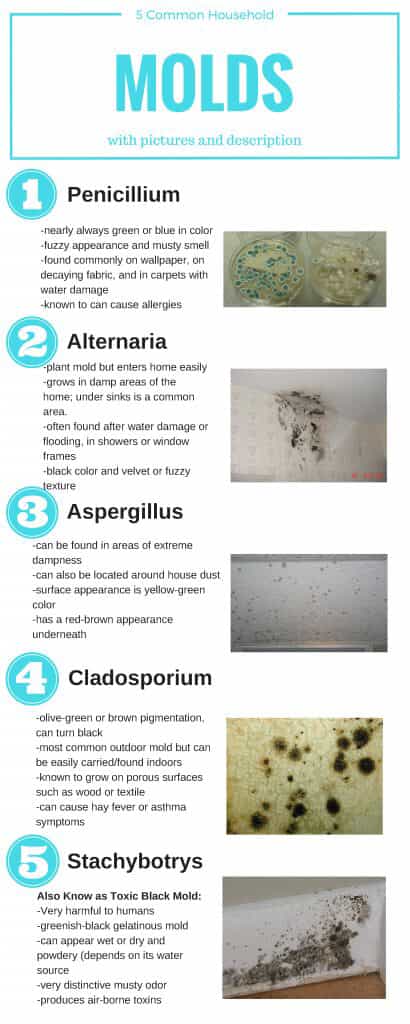
There are several types of mould that can grow in our homes. Some common ones include:
- Stachybotrys chartarum: A greenish-black mould that thrives in damp environments.
- Cladosporium: A yellowish-green mould that grows on surfaces and can trigger allergies.
- Penicillium: A white or blue mould that can grow in bathrooms and kitchens.
Mould Removal Safety Precautions
When removing mould, it’s essential to take safety precautions to avoid exposure to spores. Here are some tips:
- Wear protective gear: Use a mask, gloves, and goggles when cleaning up mould.
- Use proper ventilation: Ensure good airflow in the area to prevent spore dispersal.
- Avoid touching surfaces: Try not to touch mouldy surfaces with your bare hands.
Preventing Future Mould Growth
To prevent future mould growth, follow these tips:
- Improve ventilation: Ensure good airflow in your home by opening windows and using fans.
- Reduce humidity: Use a dehumidifier or exhaust fan to lower the humidity levels in your home.
- Fix leaks: Repair any water leaks promptly to prevent further moisture accumulation.
- Regularly inspect surfaces: Keep an eye out for signs of mould growth on surfaces, such as discoloration, staining, or peeling.
Conclusion
Mould can be a frustrating and unsightly problem in our homes. By understanding what causes it, where it grows, and how to remove it, we can take steps to prevent future infestations. Remember to identify the source of the moisture, contain the area, clean and disinfect, and dry the surface before restoring normal use.
Frequently Asked Questions
Here are some common questions about mould:
- What is the best way to remove mould from carpets?
- Blot the stain with a damp cloth, then apply a solution of water and bleach.
- Can I use bleach to kill mould?
- Yes, but always follow safety precautions when using bleach.
- How long does it take to dry out a room affected by mould?
- This depends on the severity of the infestation and the effectiveness of ventilation.
- Can mould be prevented in my home?
- Yes, by improving ventilation, reducing humidity, fixing leaks, and regularly inspecting surfaces.
- Is it safe to breathe in mould spores?
- No, mould spores can exacerbate respiratory issues like asthma and allergies.
By following these tips and taking steps to prevent future mould growth, you can enjoy a healthier, happier home.


