
Introduction
Fennel, a herb with a rich history dating back to ancient times, has been prized for its aromatic and digestive properties. This versatile plant is not only a great addition to salads and sauces but also boasts an impressive array of health benefits that make it a valuable addition to any diet. In this article, we’ll delve into the nutritional profile of fennel, its medicinal properties, and explore how it can be incorporated into your daily routine.
What is Fennel?
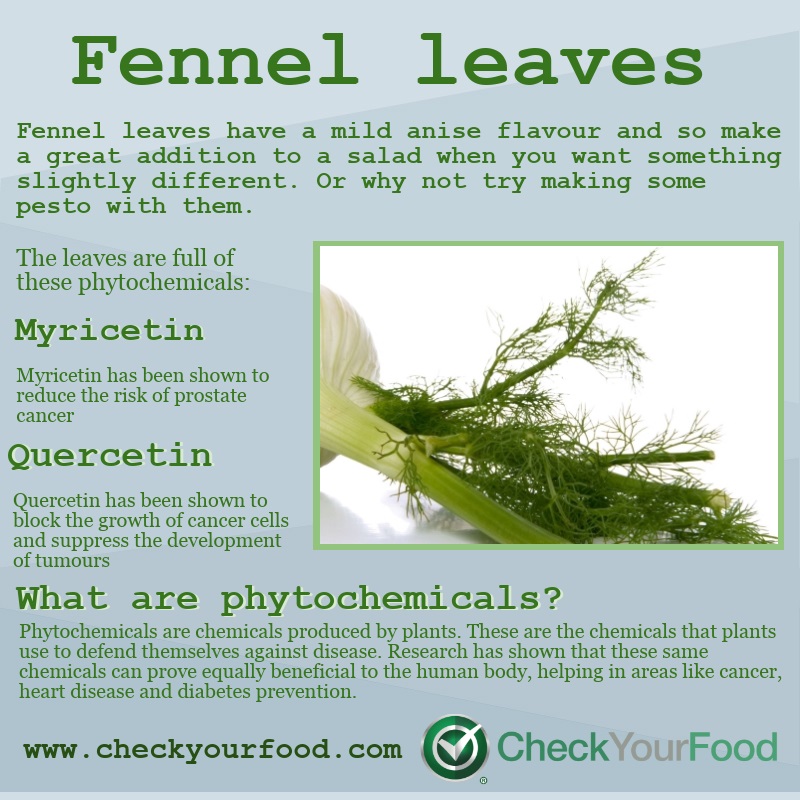
Fennel is a delicate, green herb with a crunchy texture and anise-like flavor. It’s composed of approximately 90% water, making it a low-calorie food with only 31 calories per cup. The remaining nutrients include proteins, fibers, minerals, and vitamins. Fennel is also rich in antioxidants, including flavonoids like isoquercitrin and rutin.
History of Fennel Use
For centuries, fennel has been used to prepare natural toothpaste with the addition of green clay. This ancient remedy highlights the herb’s versatility and medicinal properties. Today, we can enjoy fennel in various forms, from teas and infusions to cooked dishes and sauces.
Fennel was also a popular ingredient in traditional medicine during the Middle Ages. It was used to treat a range of ailments, including indigestion, bloating, and respiratory issues. The herb’s anethole content made it an effective remedy for digestive problems and as a natural relaxant.
Nutritional Profile of Fennel
Fennel is an excellent source of fiber, containing about 3% of its dry weight. It’s also low in fat and calories, making it an ideal snack for those following a healthy diet. Some essential minerals found in fennel include potassium, calcium, phosphorus, sodium, magnesium, iron, zinc, manganese, and selenium.
Fennel is also rich in vitamins A, B-group, and C, making it a nutrient-dense food that can help support overall health. Its antioxidant properties are due to the presence of flavonoids like isoquercitrin and rutin.
Health Benefits of Fennel
Studies have shown that fennel possesses digestive and purifying properties. Consuming fennel regularly may help alleviate gas-related issues, such as bloating and flatulence, by reducing inflammation in the digestive tract. The anethole present in fennel acts as a natural relaxant, calming contractions in the abdominal area.
Fennel is also believed to have blood-purifying properties and can be beneficial for individuals with colon irritation and aerophagy (swallowing air). In addition, its anti-inflammatory effects make it an excellent remedy for digestive issues related to the colon.
Fennel and Respiratory Issues
Some studies suggest that fennel tea or decotions may help alleviate respiratory problems such as coughs. To prepare a soothing drink, combine the leaves and seeds of the fennel plant with water, then add honey to sweeten. Let it simmer for 3-4 minutes before straining.
Fennel for Breastfeeding
Moms-to-be can benefit from consuming fennel due to its high content of phytoestrogens, which help regulate hormonal balance and support milk production. Fennel’s anti-inflammatory properties may also alleviate symptoms associated with lactation.
Growing Fennel at Home
If you have a small garden or a balcony, consider cultivating your own fennel plant. This herb is relatively easy to grow and doesn’t require special care. With proper conditions, fennel can thrive and provide fresh leaves and seeds for cooking and medicinal purposes.
Fennel prefers well-draining soil and partial shade, making it an ideal crop for gardens with limited sunlight. Regular watering and fertilization will ensure the plant grows healthy and produces a bountiful harvest.
Culinary Uses of Fennel
Fennel is a versatile ingredient that can be used in various dishes, from salads to sauces. Here are some popular ways to incorporate fennel into your cooking:
- Salads: Slice or chop fresh fennel leaves and add them to green salads, pasta salads, or grain bowls.
- Soups: Add fennel seeds or leaves to soups for an aromatic flavor boost.
- Sauces: Combine fennel with olive oil, garlic, and lemon juice to create a tasty sauce for fish, meat, or vegetables.
- Pickling: Slice fresh fennel thinly and soak it in vinegar, sugar, and spices to create a crunchy snack.
Precautions and Contraindications
While fennel is generally considered safe, there are some precautions and contraindications to be aware of:
- Pregnancy and Breastfeeding: Fennel can stimulate the uterus and cause contractions. Pregnant women should consume fennel in moderation.
- Allergies: Some people may experience allergic reactions to fennel, such as hives or itching.
- Interactions with Medications: Fennel seeds may interact with blood thinners, diabetes medications, and other medications.
Conclusion
Fennel is an incredible herb with a multitude of health benefits that make it a valuable addition to any diet. Its low calorie count, high fiber content, and nutrient-dense properties make it an excellent choice for those following a healthy lifestyle. Whether you’re looking to alleviate digestive issues or support milk production during breastfeeding, fennel has something to offer.
Frequently Asked Questions
- Q: How do I prepare fennel tea?
A: Combine 3-4 teaspoons of dried fennel seeds with one cup of boiling water. Let it steep for 5-7 minutes before straining and adding honey to sweeten. - Q: Can I consume raw fennel?
A: Yes, you can eat raw fennel leaves and seeds in salads or as a crunchy snack. However, cooking fennel may enhance its nutritional value and digestibility. - Q: How do I store fennel?
A: Store fennel in an airtight container to maintain its freshness. Refrigerate or freeze for longer-term storage. - Q: Can I grow fennel indoors?
A: Yes, you can grow fennel indoors using pots and a well-draining potting mix. Make sure it receives sufficient sunlight and water regularly. - Q: Is fennel safe to consume during pregnancy?
A: Fennel is generally considered safe for pregnant women in moderation. However, excessive consumption may cause uterine contractions or affect hormone levels.
By incorporating fennel into your daily routine, you can unlock its numerous health benefits and enjoy a more balanced lifestyle.


