
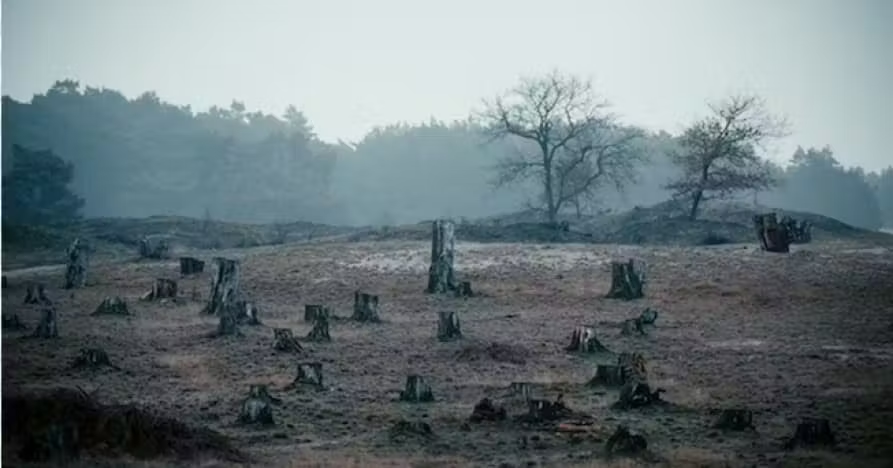
In recent years, the concept of ecocide has gained significant attention as a growing concern for humanity. This article aims to explore the definition, legal status, and implications of ecocide, as well as its potential impact on our planet.
What is Ecocide?
Ecocide refers to a type of crime that threatens the integrity of ecosystems and, by extension, human life. It encompasses various forms of harm caused by human activities, such as environmental degradation, pollution, deforestation, and climate change. In essence, ecocide is a macro-lesion that affects not only the environment but also human societies and cultures.
Ecocide can take many forms, including:
- Environmental degradation: The destruction of natural habitats, such as forests, oceans, and wildlife reserves.
- Pollution: The release of toxic substances into the air, water, or soil, which can harm human health and ecosystems.
- Deforestation: The clearance of forests for agriculture, urbanization, or other purposes, leading to loss of biodiversity and ecosystem disruption.
- Climate change: The alteration of Earth’s climate patterns due to human activities such as burning fossil fuels, deforestation, and land-use changes.
Historical Context
The term “ecocide” was first used in the 1970s during the Washington Conference on War and Responsibility (1970). Since then, it has gained recognition as a concept within international law. The International Law Commission (ILC) has proposed several amendments to the Rome Statute to include ecocide as a crime against humanity.
The ILC’s work on ecocide began in 1996, when it adopted a draft article that defined ecocide as “serious harm caused by an act or omission by anyone, whether an individual, organization, or state, to the environment, including climate change.” However, the proposal was not ratified until 2018.
Legal Status
Despite its growing recognition, ecocide remains a contentious issue in international law. In 2016, the International Criminal Court (ICC) announced its intention to prioritize cases involving environmental damage and resource exploitation. However, a formal recognition of ecocide as an international crime is still pending.
The ICC has already recognized ecocide as a serious threat to international peace and security, and it has been acknowledged by several countries, including Russia, Vietnam, and several nations in the Caspian region. However, the legal status of ecocide remains unclear, and it requires further clarification through international agreements and treaties.
The Role of Pauline Hèlene Higgins
Pauline Hèlene Higgins, a British lawyer and environmentalist, has been instrumental in advocating for the recognition of ecocide as a crime. In 2010, she presented a proposal to the ILC, which aimed to define ecocide as a lesion of ecosystems caused by human activity.
Higgins’ work on ecocide has been recognized globally, and she has received numerous awards for her contributions to environmental law and policy. Her efforts have helped raise awareness about the importance of protecting the environment and promoting sustainable development.
Current Status
While progress has been made, there is still a long way to go before ecocide is recognized as an international crime. Many countries have acknowledged ecocide in their domestic laws, including Russia, Vietnam, and several nations in the Caspian region.
In 2018, the Russian government adopted a federal law that recognizes ecocide as a crime under international law. The law defines ecocide as “acts or omissions that cause significant harm to ecosystems” and provides for criminal penalties for those responsible.
Similarly, Vietnam has also recognized ecocide in its domestic laws, with a 2020 law amendment that includes environmental damage as a form of crime against the state.
The Impact on Humanity
Ecocide poses significant threats to human societies and cultures. Climate change, pollution, and deforestation are just a few examples of how human activities can harm ecosystems and undermine human well-being.
Climate change, in particular, has become a pressing global concern, with far-reaching consequences for human health, economies, and societies. Rising temperatures, sea-level rise, and extreme weather events have the potential to displace millions of people, destroy entire communities, and exacerbate social and economic inequalities.
The Economic Cost of Ecocide
The economic cost of ecocide is significant, with estimates suggesting that environmental damage can result in losses ranging from $1.5 trillion to $6.8 trillion per year.
In addition to the direct costs of environmental degradation, there are also indirect costs associated with climate change, such as lost productivity, decreased economic growth, and increased healthcare expenses.
Conclusion
In conclusion, ecocide is a pressing concern that demands attention from governments, international organizations, and civil society. As we move forward, it’s essential to prioritize the recognition of ecocide as an international crime and work towards protecting our planet for future generations.
By understanding the definition, legal status, and implications of ecocide, we can begin to address the root causes of environmental degradation and promote sustainable development that benefits both people and the planet.
Recommendations
To combat ecocide, governments and international organizations should:
- Strengthen laws and regulations: Develop and implement effective laws and policies to prevent environmental damage and hold perpetrators accountable.
- Promote sustainable development: Encourage practices that promote sustainable development, such as renewable energy, green technologies, and eco-friendly agriculture.
- Support research and monitoring: Fund research and monitoring efforts to better understand the impacts of ecocide and develop effective strategies for prevention and mitigation.
- Raise awareness and education: Educate citizens about the importance of environmental protection and promote public awareness campaigns to raise awareness about ecocide.
Frequently Asked Questions (FAQs)
Q: What does ecocide mean?
A: Ecocide refers to a type of crime that threatens the integrity of ecosystems and human life.
Q: Who is advocating for the recognition of ecocide as an international crime?
A: Pauline Hèlene Higgins, a British lawyer and environmentalist, has been instrumental in advocating for the recognition of ecocide as a crime.
Q: What are some examples of ecocide?
A: Examples of ecocide include environmental degradation, pollution, deforestation, and climate change.
Q: How many countries have acknowledged ecocide in their domestic laws?
A: At least ten countries have recognized ecocide in their domestic laws, including Russia, Vietnam, and several nations in the Caspian region.
Q: What is the International Law Commission’s (ILC) stance on ecocide?
A: The ILC has proposed several amendments to the Rome Statute to include ecocide as a crime against humanity.
Q: Will ecocide be recognized as an international crime anytime soon?
A: While progress has been made, there is still a long way to go before ecocide is recognized as an international crime.


