
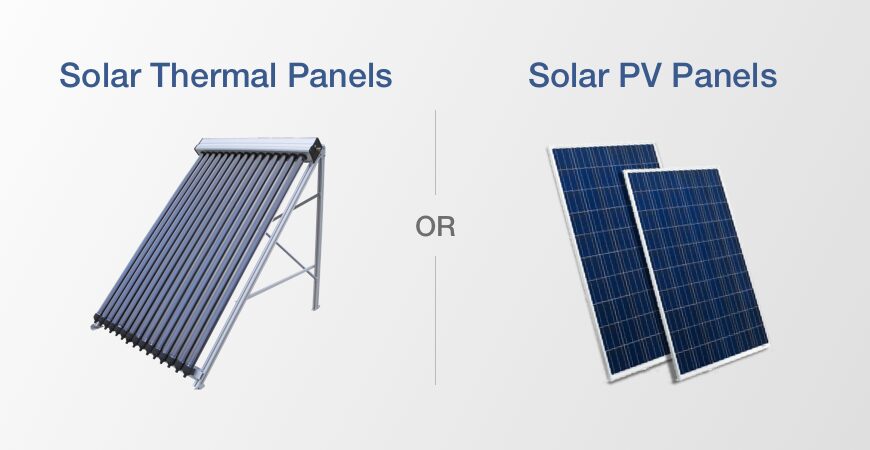
As the world shifts towards renewable energy sources, solar thermal panels have become an essential component of many solar power systems. In this article, we’ll delve into the world of solar thermal panels and explore what makes them tick. We’ll discuss the different types of solar thermal panels available, their advantages and disadvantages, and provide tips on how to choose the right one for your needs.
What is a Solar Thermal Panel?
A solar thermal panel, also known as a collector, is a crucial component of an solar power system. Its primary function is to capture the heat from the sun’s rays and transfer it to a storage tank, where it can be used to provide hot water or space heating. A solar thermal panel typically consists of a radiator/absorber that absorbs the sunlight and transfers the heat to a fluid, which then flows through pipes to a storage tank.
Radiators/Absorbers: The Heart of Solar Thermal Panels
The radiator/absorber is a critical component of a solar thermal panel. It’s responsible for capturing the heat from the sun’s rays and transferring it to a fluid. Radiators/absorbers are typically made from conductive materials, such as copper or aluminum, which allow them to efficiently transfer heat.
Types of Solar Thermal Panels
There are three main types of solar thermal panels available: flat-plate, evacuated tube, and vacuum-insulated tubes. Each type has its own advantages and disadvantages, which we’ll explore in more detail below.
Flat-Plate Solar Thermal Panels
Flat-plate solar thermal panels are the most common type of solar thermal panel. They consist of a flat plate made from metal or plastic that absorbs sunlight and transfers heat to a fluid. Flat-plate solar thermal panels can be either glass-covered (vitrified) or uncovered.
Pros: Cost-effective, widely available
Cons: Lower efficiency rates compared to other types
Evacuated Tube Solar Thermal Panels
Evacuated tube solar thermal panels are more efficient than flat-plate solar thermal panels. They consist of evacuated tubes made from glass or plastic that absorb sunlight and transfer heat to a fluid. The evacuated tubes provide better insulation, resulting in higher efficiency rates.
Pros: Higher efficiency rates, improved insulation
Cons: More expensive, requires specialized installation
Vacuum-Insulated Tubes Solar Thermal Panels
Vacuum-insulated tube solar thermal panels are the most efficient type of solar thermal panel. They consist of evacuated tubes made from glass or plastic that absorb sunlight and transfer heat to a fluid. The vacuum provides excellent insulation, resulting in higher efficiency rates.
Pros: Highest efficiency rates, improved insulation
Cons: Most expensive, requires specialized installation
The Science Behind Solar Thermal Panels
Solar thermal panels work on the principle of absorption and conduction. When sunlight hits a solar thermal panel, it absorbs heat, which is then transferred to a fluid through a radiator/absorber. The fluid flows through pipes to a storage tank, where it can be used for various applications such as space heating or hot water.
The Importance of Material Selection
Material selection plays a critical role in the performance of solar thermal panels. Conductive materials like copper or aluminum are ideal for radiators/absorbers, as they allow efficient heat transfer. The type and quality of material used can significantly impact the efficiency and lifespan of a solar thermal panel.
Key Factors to Consider When Choosing a Solar Thermal Panel
When choosing a solar thermal panel, there are several key factors to consider:
- Efficiency: Look for solar thermal panels with high efficiency rates, as they will provide more heat per unit area.
- Material Selection: Choose materials that allow efficient heat transfer, such as copper or aluminum.
- Size and Installation Requirements: Consider the size of the solar thermal panel and the installation requirements, including the need for specialized equipment.
- Budget: Set a budget and choose a solar thermal panel that meets your needs within it.
- Application Needs: Choose a solar thermal panel designed for your specific application needs, such as hot water heating or space heating.
Conclusion: Choosing the Right Solar Thermal Panel
Choosing the right solar thermal panel depends on various factors such as budget, installation requirements, and application needs. By understanding the different types of solar thermal panels available and their characteristics, you can make an informed decision that meets your specific requirements.
Frequently Asked Questions
- What is the best type of solar thermal panel for my needs?
The best type of solar thermal panel depends on various factors such as budget, installation requirements, and application needs. - How much does a solar thermal panel cost?
Solar thermal panel prices vary widely depending on the type, quality, and brand. - What is the average efficiency rate of solar thermal panels?
The average efficiency rate of solar thermal panels varies between 40% to 80%, depending on the type and quality. - How long do solar thermal panels last?
Solar thermal panels can last anywhere from 15 to 25 years, depending on factors such as material selection, installation quality, and environmental conditions. - Can I install a solar thermal panel myself?
It’s recommended to hire a professional for the installation of solar thermal panels due to the complexity and safety concerns involved. - Are solar thermal panels suitable for residential applications?
Solar thermal panels are suitable for residential applications such as hot water heating, space heating, and cooling. - Can I use solar thermal panels for commercial applications?
Yes, solar thermal panels can be used for commercial applications such as office buildings, shopping centers, and hotels.
Best Practices for Installing Solar Thermal Panels
To ensure the optimal performance of your solar thermal panel, follow these best practices:
- Proper Installation: Ensure that the solar thermal panel is installed correctly, following the manufacturer’s instructions.
- Regular Maintenance: Regularly inspect and clean the solar thermal panel to maintain its efficiency.
- Monitor Performance: Monitor the performance of the solar thermal panel regularly to ensure optimal operation.
- Address Issues Quickly: Address any issues or malfunctions quickly to prevent damage to the system.
By following these best practices and choosing the right solar thermal panel for your needs, you can maximize the efficiency and effectiveness of your solar power system.
The Future of Solar Thermal Panels
As technology advances, solar thermal panels are becoming more efficient and cost-effective. The future of solar thermal panels holds great promise, with advancements in materials science and design leading to improved performance and reduced costs.
Conclusion: Maximizing Efficiency with Solar Thermal Panels
Solar thermal panels offer an essential component of many solar power systems. By understanding the different types of solar thermal panels available, their advantages and disadvantages, and following best practices for installation and maintenance, you can maximize efficiency and effectiveness.


