
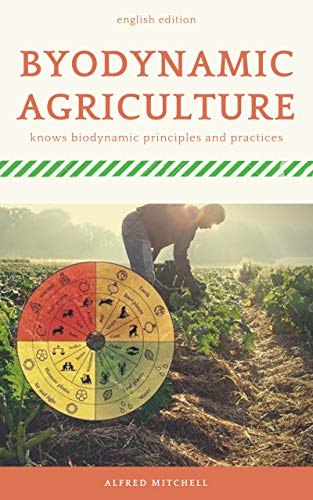
As we strive to create a more sustainable and environmentally conscious food system, understanding biodynamic agriculture is essential. This holistic approach to farming not only promotes soil health but also fosters a deeper connection with nature. In this article, we will delve into the world of biodynamics, exploring its principles, practices, and benefits.
What is Biodynamic Agriculture?
Biodynamic agriculture is a unique method that views the farm as an interconnected system, where the land, living organisms, and humans are all interdependent. This philosophy, rooted in Rudolf Steiner’s anthroposophical worldview, emphasizes the importance of respecting and working with nature, rather than controlling it.
The Roots of Biodynamics
Biodynamic agriculture has its roots in the early 20th century, when Rudolf Steiner, an Austrian philosopher and educator, developed this approach. Steiner believed that farming should be a spiritual practice, one that harmonized human activity with the natural world. His ideas have inspired generations of farmers, who now use biodynamics to cultivate not only crops but also livestock.
Principles of Biodynamic Agriculture
Biodynamic agriculture is built on several key principles:
- Holistic approach: Biodynamics views the farm as a self-contained ecosystem, where all components are interconnected.
- Respect for the land: Farmers work with nature, using natural processes to enhance soil health and biodiversity.
- Minimal use of synthetic inputs: Biodynamics rejects the use of synthetic fertilizers, pesticides, and other chemicals, instead favoring natural methods.
- Cycles and rhythms: Farmers observe and respect the cycles of nature, using lunar and solar observations to inform their practices.
Practical Applications
Biodynamic agriculture is not just a theoretical framework; it has practical applications in fields such as:
- Crop rotation: Farmers use rotational practices to maintain soil fertility and promote biodiversity.
- Cover cropping: Cover crops are used to enhance soil health, suppress weeds, and attract beneficial insects.
- Composting: Composting is a key practice in biodynamics, using animal manure and plant residues to create nutrient-rich fertilizer.
Challenges and Controversies
Biodynamic agriculture faces several challenges and controversies:
- Lack of scientific evidence: Some critics argue that there is limited scientific evidence to support the effectiveness of biodynamic practices.
- High costs: Biodynamics can be more expensive than conventional farming methods, as farmers invest in natural inputs and techniques.
Despite these challenges, biodynamic agriculture continues to gain popularity worldwide. As we strive to create a more sustainable food system, understanding this approach is essential.
Benefits of Biodynamic Agriculture
Biodynamic agriculture offers several benefits, including:
- Improved soil health: By using natural methods, farmers can improve soil fertility and structure, leading to healthier crops.
- Increased biodiversity: Biodynamics promotes biodiversity by creating habitat for beneficial insects and other organisms.
- Enhanced ecosystem services: Biodynamic agriculture can enhance ecosystem services such as pollination, pest control, and climate regulation.
Getting Started with Biodynamic Agriculture
If you’re interested in trying biodynamic agriculture, here are some resources to get you started:
- The Manual Practical of Biodynamics: This comprehensive guide provides an introduction to the principles and practices of biodynamics.
- Agricoltura Biodinamica: definition and principles: This article offers a detailed overview of biodynamic agriculture, including its history, philosophy, and applications.
FAQs
- Q: What is biodynamics?
A: Biodynamics is a holistic approach to farming that views the farm as an interconnected system, where the land, living organisms, and humans are all interdependent. - Q: Who developed biodynamic agriculture?
A: Rudolf Steiner, an Austrian philosopher and educator, developed this approach in the early 20th century. - Q: What are the principles of biodynamics?
A: Biodynamics is built on several key principles, including respect for the land, minimal use of synthetic inputs, and cycles and rhythms. - Q: How do I get started with biodynamic agriculture?
A: Start by reading The Manual Practical of Biodynamics or Agricoltura Biodinamica: definition and principles to learn more about this approach.
Biodynamic Agriculture in Action
To illustrate the practical applications of biodynamic agriculture, let’s look at a few examples:
- Permaculture farms: Many permaculture farms use biodynamic practices to create diverse ecosystems that promote soil health and biodiversity.
- Organic farms: Biodynamics is often used in combination with organic farming methods to enhance soil fertility and reduce the need for synthetic inputs.
- Regenerative agriculture: Regenerative agriculture, a holistic approach to farming, often incorporates biodynamic principles to restore ecosystem services and promote climate resilience.
Challenges and Opportunities
Biodynamic agriculture faces several challenges, including:
- Scalability: Biodynamics can be more labor-intensive than conventional farming methods, making it challenging to scale up production.
- Cost: The high cost of natural inputs and techniques can make biodynamics less competitive in the market.
However, there are also opportunities for growth and innovation in biodynamic agriculture:
- Technological advancements: New technologies, such as precision agriculture and vertical farming, can be used to enhance biodynamic practices.
- Policy support: Governments can provide policy support for biodynamic farmers by offering incentives for sustainable practices.
Conclusion
Biodynamic agriculture is a holistic approach to farming that promotes soil health, biodiversity, and ecosystem services while producing high-quality crops and livestock. While it faces challenges and controversies, biodynamics continues to gain popularity worldwide. As we strive to create a more sustainable food system, understanding this approach is essential. By embracing biodynamics, we can create a healthier environment for future generations.
References
- Steiner, R. (1924). The Organic Farming Movement.
- The Biodynamic Association. (n.d.). What is Biodynamics?
- USDA. (2020). National Organic Program.
- Regenerative Agriculture Foundation. (n.d.). Regenerative Agriculture: A Holistic Approach to Sustainable Food Systems.
By understanding biodynamic agriculture and its applications, we can create a more sustainable food system that benefits both people and the planet.


