
Are you experiencing persistent vaginal itching, burning sensations, or unpleasant odor? You may be suffering from candidiasis, a common fungal infection that affects many women and some men. In this article, we’ll delve into the causes of candidiasis, its symptoms, and effective natural remedies to cure it.
What is Candida?
Candidiasis is an infection caused by the fungus Candida albicans, which is normally present in our bodies but can overgrow when certain conditions are met. It’s estimated that 75% of women have had candidiasis at least once in their lives. The good news is that with proper treatment and lifestyle changes, you can effectively manage and eliminate the infection.
Can Candida Affect Men?
Yes, candidiasis can affect men too! While it’s less common than in women, it can occur when a man has an unprotected sexual encounter with someone who has vaginosis. The symptoms may be similar to those experienced by women, such as itching, burning, and white discharge.
Symptoms of Candida
The symptoms of candidiasis are often mistaken for other conditions, but they’re quite distinctive:
- Intense itching or burning sensations in the genital area
- White, thick, cottage cheese-like patches on the vulva
- Redness and irritation around the vagina
- Abnormal odor or discharge
- Irritation in the mouth, throat, and digestive tract (in cases of oral candidiasis)
Causes of Candida
Several factors can increase your risk of developing candidiasis:
- Antibiotics or other medications that weaken your immune system
- High sugar intake, which feeds the fungus’s growth
- Stress, which disrupts the natural balance of your body
- Hormonal changes during pregnancy or menstruation
- Poor hygiene and inadequate cleaning
- Wearing synthetic fabrics or tight clothing
- Exposure to antibiotics in the environment (e.g., from public pools or hot tubs)
- Certain medical conditions, such as diabetes or HIV/AIDS
Natural Remedies for Candida
Fortunately, there are many effective natural remedies to help you cure candidiasis:
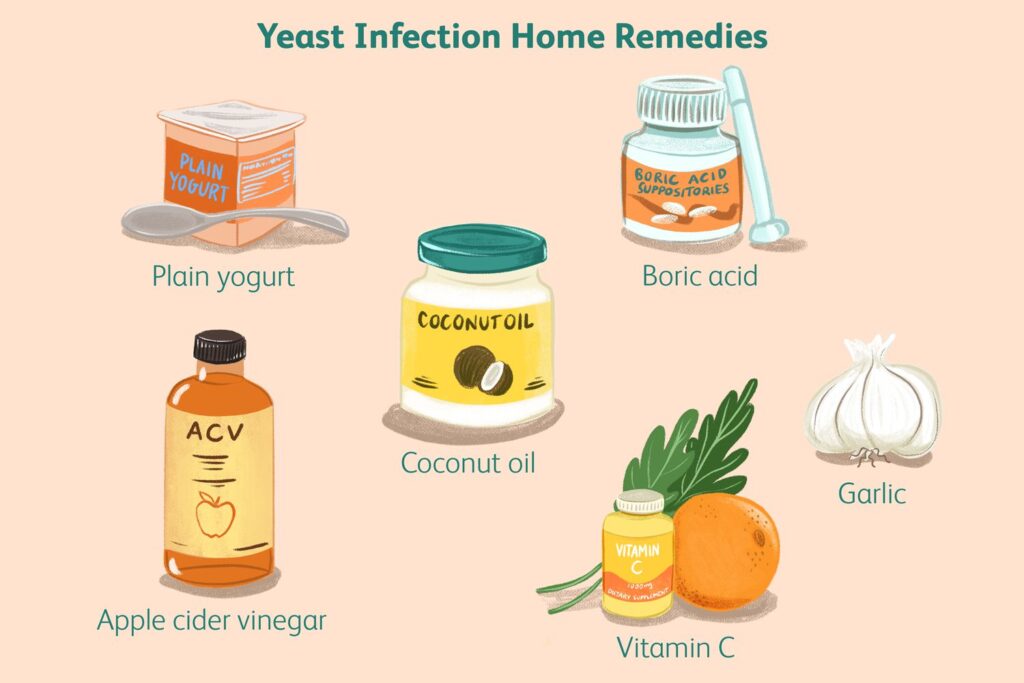
- Ferments: Fermented foods like yogurt, kefir, and sauerkraut contain probiotics that can help restore the balance of your vagina. Look for fermented products with live cultures and consume them regularly.
- Tea Tree Oil: This essential oil has antifungal properties that can be applied topically to alleviate symptoms. Mix a few drops of tea tree oil with a carrier oil (e.g., coconut or olive oil) and apply it directly to the affected area.
- Finocchio, Cumino, Anice, e Pau d’Arco: These herbs and spices have natural antifungal properties that can help protect the urethra-genital tract. You can make a tea by steeping dried Finocchio (also known as Italian fennel) in hot water or add it to your meals.
- Probiotics: Taking probiotics can help restore the balance of your gut microbiome, which is essential for immune system function and overall health.
- Apple Cider Vinegar: Apple cider vinegar has antifungal properties that can help balance the pH of your vagina. Mix 1 tablespoon of apple cider vinegar with water and use it as a vaginal rinse.
Herbal Remedies
In addition to the natural remedies mentioned above, there are several herbal supplements that have been shown to be effective in treating candidiasis:
- Garlic: Garlic has antifungal properties that can help combat Candida overgrowth. Consume garlic supplements or crush fresh cloves and mix them with water.
- Grapefruit Seed Extract: Grapefruit seed extract has antifungal properties that can help prevent Candida growth. Mix a few drops of grapefruit seed extract with water and use it as a vaginal rinse.
- Turmeric: Turmeric contains curcumin, which has potent anti-inflammatory and antifungal properties.
Prevention is Key
To prevent candidiasis from recurring:
- Wear cotton underwear and loose-fitting pants
- Avoid tight clothing and synthetic fabrics
- Stay hydrated by drinking plenty of water
- Eat a balanced diet rich in fruits, vegetables, and whole grains
- Practice good hygiene and clean your genital area regularly
- Consider taking probiotics to maintain a healthy gut microbiome
Dietary Changes
Certain dietary changes can help alleviate symptoms of candidiasis:
- Reduce sugar intake: Candida feeds on sugar, so reducing sugar consumption can help starve the fungus.
- Avoid artificial sweeteners: Artificial sweeteners like aspartame and sucralose can feed Candida growth.
- Choose whole grains over refined grains: Whole grains contain more fiber, which can help regulate blood sugar levels and prevent Candida overgrowth.
- Increase omega-3 fatty acid intake: Omega-3 fatty acids have anti-inflammatory properties that can help alleviate symptoms.
Conclusion
Candidiasis may seem like a daunting condition, but with the right natural remedies and lifestyle changes, you can effectively manage and eliminate it. Remember to consult your doctor if symptoms persist or worsen over time.
Frequently Asked Questions (FAQs)
- Q: What is the best way to prevent candidiasis?
A: Wear cotton underwear, avoid tight clothing, and maintain good hygiene. - Q: Can I use antibiotics to treat candidiasis?
A: No, antibiotics can actually worsen symptoms by killing off beneficial bacteria. - Q: How long does it take for natural remedies to work?
A: Symptoms typically improve within 1-3 weeks of using natural remedies. - Q: Can I use tea tree oil on my skin if I have a rash?
A: Yes, but always dilute with a carrier oil and perform a patch test before applying. - Q: Are there any foods that can trigger candidiasis?
A: Yes, high sugar intake, artificial sweeteners, and processed foods can exacerbate symptoms. - Q: Can I get pregnant with candidiasis?
A: Yes, but it’s essential to discuss your treatment plan with your doctor during pregnancy. - Q: How often should I clean myself after using the bathroom?
A: Always use a gentle soap and water, and avoid douching or using harsh chemicals. - Q: Can I take antibiotics for candidiasis without consulting my doctor?
A: No, consult your doctor before taking any medication to ensure safe treatment.
By understanding the causes of candidiasis, recognizing its symptoms, and incorporating natural remedies into your lifestyle, you can effectively manage and eliminate this common fungal infection. Remember to always consult with a healthcare professional if symptoms persist or worsen over time.


