
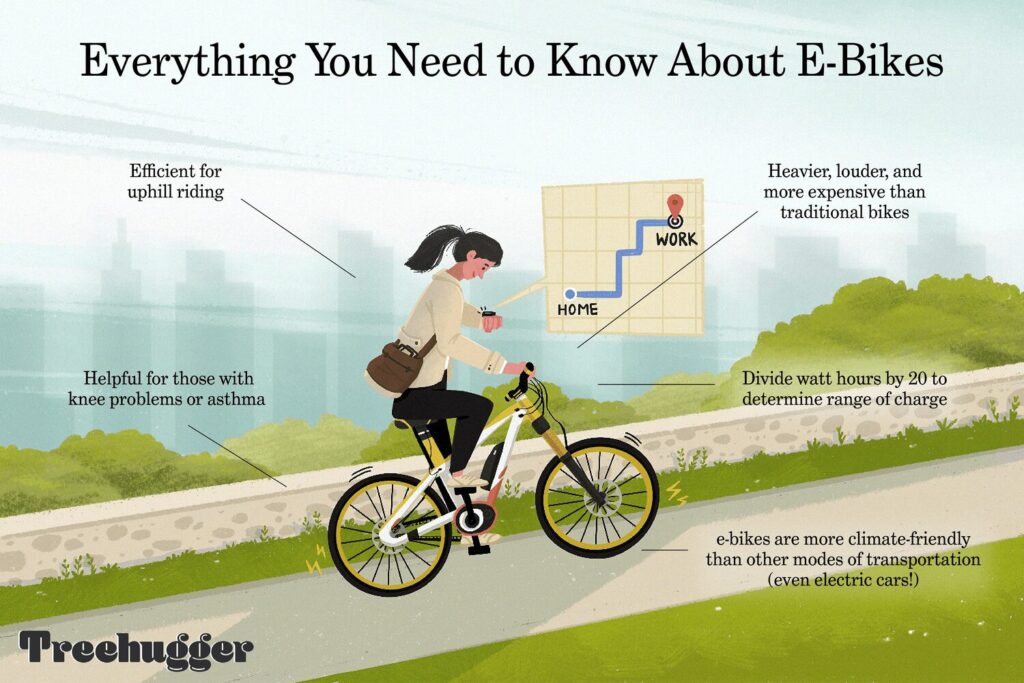
As we navigate the world of sustainable transportation, one question keeps popping up: are electric bikes worth it? The answer lies in understanding your lifestyle, habits, and location. In this article, we’ll dive into the pros and cons of owning an electric bike, exploring its suitability for various individuals and scenarios.
When is an Electric Bike Convenient?
An electric bike is ideal for those who spend most of their time commuting within their urban center. If you work near your home or have a short commute, an electric bike can be a great option. However, if you need to travel long distances or navigate hilly terrain, a traditional pedal-assisted bike might be more suitable.
Benefits of Electric Bikes
Let’s take the example of Arianna, a hair stylist who uses her electric bike to transport herself and her tools between clients’ homes. With an electric bike, she saves on tolls, insurance, and fuel costs, making it a convenient and cost-effective mode of transportation.
Here are some key benefits of electric bikes:
- Zero parking fees: No need to worry about finding a parking spot or paying for parking.
- No need for a license or registration: In many cities, electric bikes do not require a license or registration, making them an attractive option for commuters.
- No requirement for helmet insurance: Helmets are still required by law in most states, but you won’t need to pay for insurance specifically for your bike.
- Lower maintenance costs: Electric bikes have fewer moving parts than traditional bikes, reducing the risk of mechanical failure and associated repair costs.
- No need to purchase fuel (electricity is the only “fuel” needed): Just plug in your bike at a charging station or wall outlet and you’re good to go!
Who Can Benefit from Electric Bikes?
Not everyone can take advantage of an electric bike. If you’re in top physical condition and prefer to exercise on a traditional pedal-assisted bike, that’s perfectly fine. However, if you live in hilly areas or need to travel long distances, an electric bike might be a better option.
Demographics that may benefit from Electric Bikes
- Young professionals who work in urban centers and commute short distances
- Commuters with mobility issues who require assistance with hills or long distances
- Environmentally conscious individuals looking for a sustainable mode of transportation
- People who enjoy cycling but have limited physical ability or endurance
Who May Not Benefit from Electric Bikes
- Long-distance travelers: If you need to commute over 50 kilometers or more, an electric bike might not be the best option.
- Hillous terrain enthusiasts: While electric bikes can handle some hills, navigating steep inclines might be challenging.
- Recreational cyclists: If you’re looking for a fun and engaging cycling experience without the assistance of electricity, a traditional pedal-assisted bike might be more suitable.
Challenges and Limitations
While electric bikes offer many benefits, there are some drawbacks to consider:
- High upfront cost: Electric bikes can range from $1,000 to over $10,000, depending on the features and quality.
- Limited battery life: Most electric bikes have limited battery ranges, typically between 20-100 kilometers.
- Charging requirements: You’ll need a charging station or plug to recharge your bike.
- Weight: Electric bikes are often heavier than traditional bikes due to the added weight of the motor, battery, and other components.
Charging Methods
There are several ways to charge an electric bike:
- Wall outlets: Many electric bikes come with a USB-C charging port that can be plugged into a wall outlet.
- Charging stations: Some cities have designated charging stations for electric bikes, which can provide faster charging times.
- Portable chargers: Some electric bikes come with portable chargers that allow you to charge your bike on the go.
A Word of Caution
Before investing in an electric bike, consider the following:
- Calculate how long it will take you to recoup the investment by saving on fuel costs. For example, if you normally spend $100 per month on tolls and parking, an electric bike could save you money quickly.
- Research local bike-sharing programs and public transportation options to determine if an electric bike is truly necessary.
- Consider your commute’s specific characteristics: Is it short and flat? Or long and hilly? Choose the right type of bike for your needs.
Environmental Impact
Electric bikes have a significantly lower environmental impact than traditional cars or motorcycles. Here are some reasons why:
- Zero emissions: Electric bikes produce zero tailpipe emissions, reducing air pollution in urban centers.
- Reduced carbon footprint: Electric bikes require less energy to operate than traditional vehicles, resulting in reduced greenhouse gas emissions.
- Increased cycling infrastructure: The popularity of electric bikes has led to increased investment in cycling infrastructure, making it easier and safer for people to cycle.
Safety Considerations
Electric bikes have several safety features that set them apart from traditional bikes:
- Regenerative braking: Electric bikes can slow down using regenerative braking, which reduces the wear on brakes and improves stopping power.
- Anti-lock braking systems (ABS): Many electric bikes come with ABS, which prevents wheels from locking up during hard braking.
- LED lighting: Electric bikes often have built-in LED lights that increase visibility for other road users.
Conclusion
Electric bikes are a viable option for those who need a convenient and cost-effective way to commute within their urban center. However, it’s essential to weigh the pros and cons and consider your individual circumstances before making a decision.
If you’re considering an electric bike, ask yourself:
- Do I have a short commute?
- Am I willing to invest in a more expensive bike for reduced maintenance costs?
- Will my daily routine benefit from having an electric bike?
By answering these questions and weighing the benefits against the drawbacks, you can make an informed decision about whether an electric bike is right for you.


