
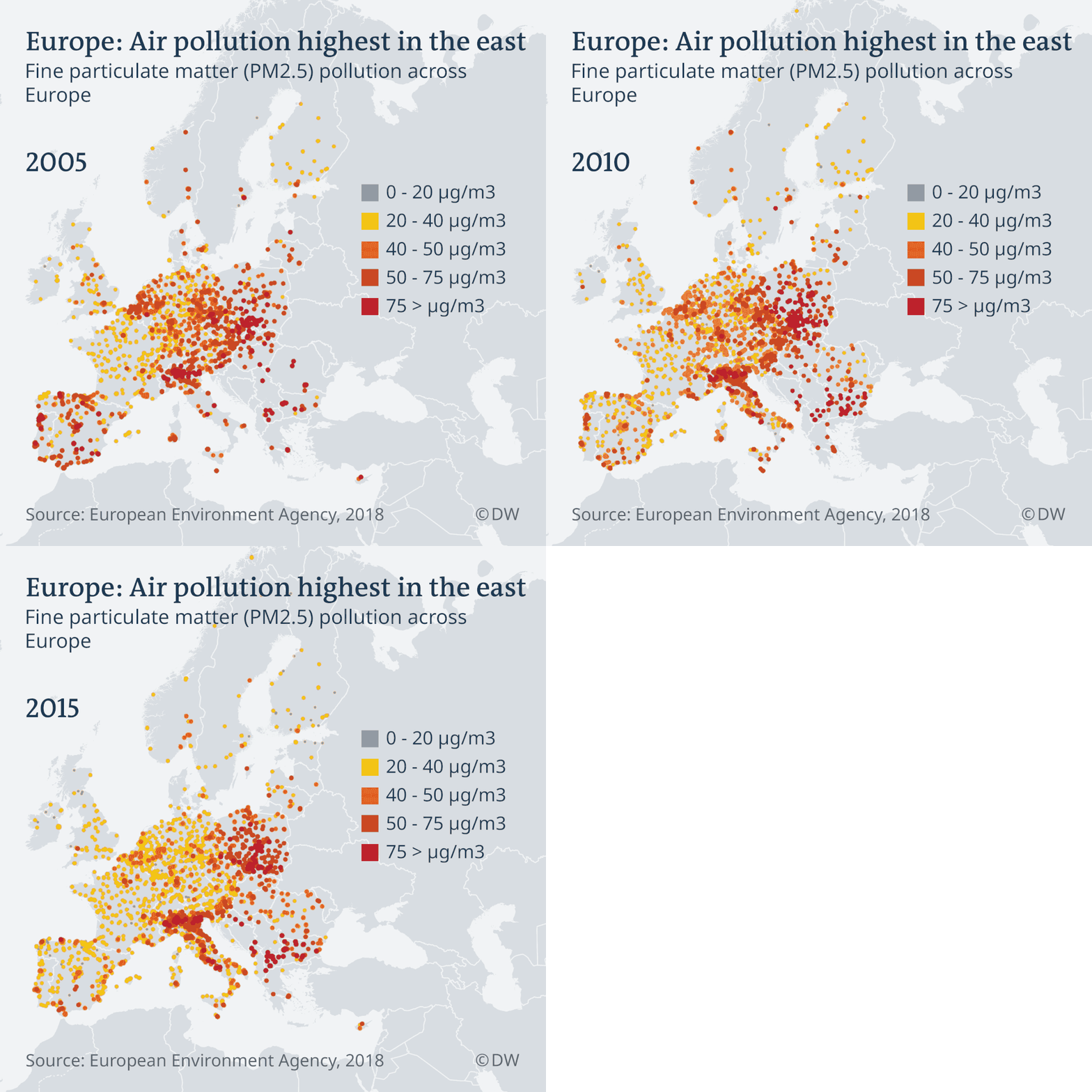
As we breathe in, what air are we breathing? The European Environment Agency (EEA) has recently released data on air pollution in EU member states. While some countries have made progress, others still struggle with significant challenges. The EEA report highlights the need for action to reduce exposure to particulate matter (PM), which can cause serious health problems.
The Risks of Air Pollution
Air pollution is a leading cause of premature death worldwide. The World Health Organization (WHO) estimates that air pollution is responsible for approximately 7 million deaths annually, with a significant portion of these deaths occurring in Europe. The EEA report emphasizes the need to reduce exposure to particulate matter (PM), which can penetrate deep into the lungs, causing damage.
The Situation in Europe
In 2011, eight EU member states exceeded air quality limits set by the European Union. This means that nearly one-third of urban residents were exposed to high levels of PM. The most affected populations live in cities with poor air quality, where they breathe in high concentrations of pollutants. For instance, cities like Athens and Thessaloniki in Greece, as well as Sofia in Bulgaria, consistently fail to meet EU standards for PM10.
Exposure to PM10 and PM2.5
The EEA report reveals that 21% of urban populations were exposed to PM10 levels above the daily limit value set by the EU. This percentage increases to 30% when analyzing PM2.4 concentrations. Interestingly, EU limits are less stringent than those set by WHO, highlighting the need for a more comprehensive approach to air quality management.
Comparing EU and WHO Limits
According to WHO guidelines, in Europe, 81% of the population is exposed to high levels of PM10. In contrast, a staggering 95% of urban residents breathe in excessive PM2.5 concentrations. These alarming statistics emphasize the need for more effective action to reduce air pollution.
Other Air Pollutants
The EEA report examines other air pollutants, including nitrogen dioxide (NO2), ozone (O3), polycyclic aromatic hydrocarbons (PAHs), and heavy metals like arsenic, cadmium, nickel, and lead. Fortunately, the majority of these pollutants are present in limited quantities and localized to specific areas.
Regional Variations
While some regions have lower levels of air pollution, others continue to struggle with significant challenges. For instance, Eastern European countries such as Poland and Romania experience high levels of PM10 due to coal-fired power plants and industrial activities. In contrast, Western European countries like Norway and Sweden prioritize cleaner energy sources, resulting in lower PM10 concentrations.
Climate Change and Air Pollution
Climate change exacerbates air pollution problems by increasing the frequency and severity of heatwaves, droughts, and storms, which can lead to increased emissions of pollutants like NO2 and PM. Furthermore, climate change alters atmospheric circulation patterns, leading to changes in pollutant transport and deposition. It is essential to address both air pollution and climate change to create a healthier environment.
Health Impacts of Air Pollution
The health impacts of air pollution are far-reaching and devastating. Exposure to poor air quality can cause a range of respiratory problems, including asthma, chronic obstructive pulmonary disease (COPD), and lung cancer. Additionally, air pollution has been linked to cardiovascular disease, cognitive impairment, and even mental health issues.
Economic Impacts of Air Pollution
Air pollution also has significant economic implications. The WHO estimates that air pollution costs the global economy approximately $5.6 trillion annually. In Europe, the economic impacts of air pollution are substantial, with estimates suggesting that poor air quality results in around €100 billion in annual health losses.
Solutions and Policy Interventions
To address air pollution, a multi-faceted approach is necessary. This includes:
- Implementing stricter emissions controls on industries like energy and transportation.
- Promoting clean energy sources, such as solar and wind power.
- Increasing public transportation options and investment in non-motorized infrastructure.
- Improving air quality monitoring and enforcement of regulations.
Conclusion
The EEA report highlights the need for urgent action to reduce air pollution in Europe. By working together to mitigate the effects of PM and other pollutants, we can create a healthier, more sustainable future for generations to come. It is essential to address both regional disparities and global challenges to ensure that all Europeans have access to clean air.
Frequently Asked Questions (FAQs)
- What is particulate matter (PM)?
PM refers to tiny particles suspended in the air, including PM10 and PM2.5. - How do I protect myself from air pollution?
Take simple steps like wearing a mask, avoiding heavily polluted areas, and staying informed about air quality indexes. - What is the EU’s role in regulating air pollution?
The European Union sets strict limits on air pollutants, including PM10 and PM2.5, to ensure public health and environmental protection. - How does WHO compare to EU limits for air pollution?
WHO guidelines are more stringent than EU limits, emphasizing the need for a more comprehensive approach to air quality management. - What other air pollutants are present in Europe?
In addition to PM10 and PM2.5, other pollutants like NO2, O3, PAHs, and heavy metals like arsenic, cadmium, nickel, and lead are also present in varying quantities across the continent. - Can I trust air quality data from governments or monitoring stations?
It is essential to consult reputable sources, like the EEA report, for accurate information on air pollution levels and trends. - How can I stay informed about air quality indexes in my area?
Check local news outlets, government websites, or mobile apps that provide real-time air quality data to make informed decisions about your daily activities. - What are some effective ways to reduce air pollution?
Implementing policies like stricter emissions controls, promoting clean energy, and increasing public transportation can help mitigate the effects of air pollution.
By working together to address air pollution in Europe, we can create a healthier, more sustainable future for all.


