
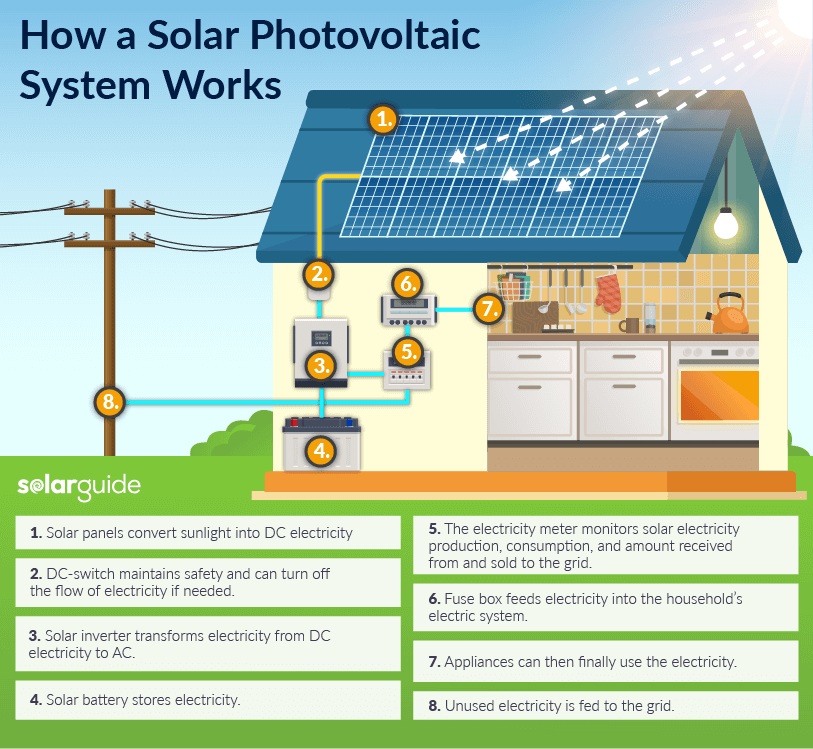
Are you considering installing a home solar power system? You’re not alone. With growing concerns about climate change and energy sustainability, more and more people are turning to renewable energy sources like solar power. But before making the switch, there are some key things you need to know.
Incentives: A Major Draw for Home Solar Power
One of the biggest advantages of home solar power is the incentives available. Small-scale installations, like those on your roof or in your backyard, qualify for higher incentives than larger systems. And if you’re installing a system that includes removing asbestos (a common material found in older homes), you’ll be eligible for even more benefits. These incentives are guaranteed for 20 years, and they can help offset the upfront cost of installation.
In addition to federal tax credits, many states offer their own incentives for homeowners who install solar panel systems. For example, California offers a rebate program that provides up to $5,000 in incentives for eligible home solar power systems. Other states may have different incentives or programs available, so it’s worth doing some research to see what options are available in your area.
The Cost: Is It Worth It?
The cost of home solar power has been decreasing steadily over the past few months. The price depends on the wattage of your system, but you can get a rough idea by checking out our article on “How Much Does Solar Power Cost?” In general, a 6 kW system with European-made panels and an inverter will set you back around $8,000. Of course, this is just an estimate, and the actual cost may vary depending on your specific needs.
It’s also worth noting that while the upfront cost of installation may seem high, it can save you money in the long run. Solar power systems are designed to last for many years, and they don’t require any fuel or maintenance. In fact, studies have shown that solar panel systems can save homeowners up to 50% on their energy bills over the course of a year.
Where to Install: The Most Important Considerations
When it comes to installing your home solar power system, location is everything. You can install it on your roof (with a gable or flat design), on a rooftop deck, or even on your land. Just make sure you have access to the electricity grid and that you can connect your system to both the local grid and your home’s electrical system.
One thing to keep in mind is that solar panels require direct sunlight to generate electricity, so they may not be suitable for areas with limited sunlight. On the other hand, some areas like Hawaii or California have an abundance of sunlight, making them ideal locations for solar panel installations.
Tops: Integrating Solar Power with Your Home’s Architecture
One type of installation is an “integrated” solar panel system, which is installed at the same time as your roof or building. This type of system qualifies for different incentives than a non-integrated system (i.e., one that doesn’t include removing asbestos). If you already have a house with a traditional roof design, you may want to consider installing a “partially integrated” solar panel system.
For example, if you have a pitched roof, you could install solar panels on the flat areas of the roof or use a system that integrates seamlessly into your existing roofing materials. This can be a great option for homeowners who want to maintain the appearance of their home while still taking advantage of renewable energy.
Understanding the Benefits: Using and Selling Your Solar Energy
The energy produced by your home solar power system can be used for several purposes. You can use it to power your home, reducing your reliance on the grid and lowering your utility bills. Or, you can sell excess energy back to the electricity company, offsetting some of the upfront costs of installation.
In fact, many states have net metering laws that allow homeowners to sell excess energy back to the grid and receive credits for any additional energy used from the grid. This means that if you generate more energy than you need, you can bank it for later use or even sell it back to your neighbors who may be using it.
Maintenance: Keeping Your Solar Panels in Top Shape
Finally, there’s one last thing to consider: maintenance. While solar panels are designed to be durable and long-lasting, they still require regular cleaning and inspections to ensure they’re working at peak efficiency.
In fact, studies have shown that cleaning your solar panels regularly can increase their energy production by up to 10%. This is because dirt and debris on the surface of the panels can block sunlight and reduce energy output. To minimize maintenance, consider installing a self-cleaning system or hiring a professional to clean your panels for you.
Conclusion: Is Home Solar Power Right for You?
With all the benefits and considerations in mind, is home solar power right for you? The answer depends on your specific needs and circumstances. But if you’re looking for a sustainable, cost-effective way to power your home, solar power may be the way to go.
Frequently Asked Questions
- What are the benefits of installing a home solar power system?
Installing a home solar power system can save you money on your utility bills, reduce your reliance on fossil fuels, and increase your property value. - How much does it cost to install a home solar power system?
The cost of installation depends on the wattage of your system, but you can expect to pay around $8,000 for a 6 kW system with European-made panels and an inverter. - Can I sell excess energy back to the electricity company?
Yes, many states offer net metering laws that allow homeowners to sell excess energy back to the grid and offset their utility bills. - How long do solar panels last?
Solar panels can last up to 30 years or more, depending on the quality of the panels and the installation. - What are some common misconceptions about home solar power?
Some people believe that solar panels are only for large-scale commercial installations, but this is not true. Home solar power systems are designed to meet the specific needs of individual homeowners. - Can I install a solar panel system on my existing roof?
Yes, you can install a solar panel system on your existing roof, but you may need to make some modifications to ensure safe and efficient installation. - What is the best way to maintain my solar panels?
Regular cleaning and inspections are essential for maintaining the efficiency of your solar panels. Be sure to check your local regulations for specific guidelines. - Can I get financing or tax incentives for installing a home solar power system?
Yes, many states and federal programs offer financing options and tax incentives for homeowners who install solar panel systems.
Additional Tips and Considerations
Before making the leap to home solar power, here are some additional tips and considerations to keep in mind:
- Assess your energy usage: Before installing a solar panel system, it’s essential to assess your energy usage patterns. This will help you determine how much energy you’ll need to generate and ensure that your system is sized correctly.
- Consider your roof orientation: Solar panels require direct sunlight to generate electricity, so it’s essential to consider the orientation of your roof when installing a solar panel system. A south-facing roof is ideal for maximum energy production.
- Check local building codes: Building codes can vary significantly from state to state, and some areas may have specific regulations or restrictions on solar panel installations. Be sure to check with your local authorities before starting your project.
- Research local incentives: Many states offer incentives for homeowners who install solar panel systems, so be sure to research what options are available in your area.
- Consult with a professional: While it’s possible to install a solar panel system on your own, consulting with a professional can help ensure that your installation is safe and efficient.
By following these tips and considering the various benefits and considerations of home solar power, you can make an informed decision about whether this sustainable energy source is right for you.


