
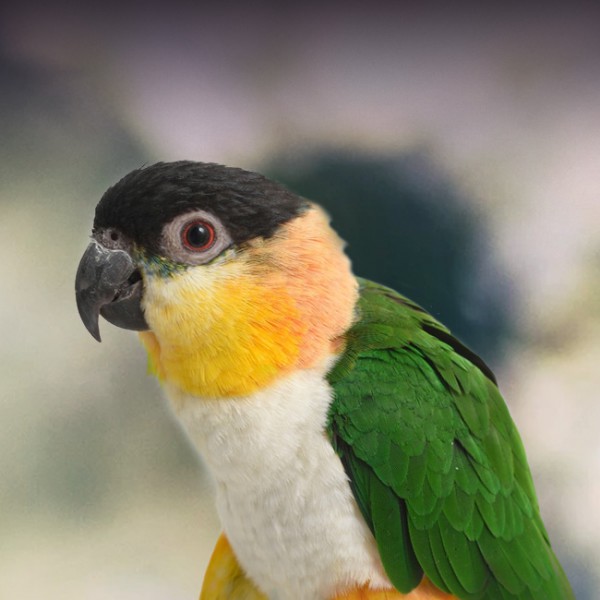
If you’re considering adding a new domestic pet to your family, you may want to consider the papago caico. These beautiful birds are native to South America and are known for their gentle and playful nature. They are also relatively easy to care for and require only a small amount of daily care.
Introduction
The papago caico is a popular domesticated animal due to its lively personality and stout appearance. They are known to interact well with children and adults, and can even be trained to perform fun tricks. Additionally, papaggo caicos are relatively quiet compared to other parrot species, making them a good choice for those living in apartments or houses with sensitive neighbors.
Classification
The papago caico belongs to the family Psittacidae, order of Psittaciformes, class of Birds. This classification puts it in the same family as other popular parrot species like macaws and cockatiels.
Species and Subspecies
There are two main species of caico: the black-headed caico (Pionites melanocephalus) and the yellow-headed caico (Pionites leucogaster). Both species are native to South America and belong to the genus Pionites. The black-headed caico has a black head with a white band on the nape, while the rest of the body is green with blue and red spots on the wings. The yellow-headed caico has a yellow head with a red band on the nape, and the rest of the body is green with blue and red spots on the wings.
There are no officially recognized subspecies of caico, but there are some selected color varieties in captivity, such as the white-headed caico and the red-headed caico.
Characteristics
Here is an informative table summarizing the characteristics of both species:
| Species | Characteristics |
|---|---|
| Black-Headed Caico | Black head with a white band on the nape, green body with blue and red spots on the wings |
| Yellow-Headed Caico | Yellow head with a red band on the nape, green body with blue and red spots on the wings |
Habitat
The papago caico is native to the northern regions of the Amazon Forest in South America. These birds inhabit the north of the Amazon rainforest, Ecuador, Colombia, Peru, and some areas of Brazil and Venezuela. They live in dense forests and open forests in the southeastern part of Venezuela, Guyana, and the northern Amazonian Brazilian territory.
Their natural habitat consists of flooded forests and open forests. Papago caicos are known for their strong and direct flight. These birds can fly long distances and quickly move from one place to another.
Conservation
The caico is a bird that lives primarily in the Amazon rainforest of South America, but it is also bred in Europe. To ensure the survival of this species, measures must be taken to protect it.
Status of Conservation
According to the International Union for Conservation of Nature (IUCN), the caico is classified as “Least Concern” globally. However, some subspecies of caico, such as the black-headed and white-bellied caico, are considered “Vulnerable” or “Endangered” due to habitat loss and illegal trade.
Initiatives and Programs
There are several initiatives and programs underway to protect the caico and its natural habitat. For example, the Cristalino Amazon Rainforest Reserve in Brazil has launched an education program to raise awareness about the importance of conserving the Amazon rainforest and the species that inhabit it.
In addition, organizations such as BirdLife International work to protect birds around the world, including parrots like the caico. These organizations promote habitat conservation, fight against illegal trade of wild animals, and conduct scientific research to improve knowledge of the species.
Curiosities
Papago caicos are known for their playful and curious nature. They are intelligent birds that can recognize themselves in mirrors and have been observed playing with toys and solving puzzles.
In addition to their intelligence, papaggo caicos are also known for their social behavior. They are highly social animals that live in flocks in the wild and require regular interaction with humans to stay happy and healthy.
Caring for a Papago Caico
Caring for a papago caico requires attention to its diet, exercise, and social needs. Here are some tips for caring for these beautiful birds:
- Diet: Papaggo caicos are omnivores and require a balanced diet that includes fruits, vegetables, grains, and proteins. A commercial parrot food should be supplemented with fresh fruits and vegetables daily.
- Exercise: Papago caicos need regular exercise to stay healthy and happy. They can be trained to perform tricks and tasks using positive reinforcement techniques.
- Social interaction: Papaggo caicos are highly social animals that require regular interaction with humans. Spend time with your bird daily, talking to it, playing with it, and providing attention.
Health Issues
Papago caicos can be prone to certain health issues due to their large size and long lifespan. Some common health issues that papaggo caicos may experience include:
- Beak problems: Papaggo caicos are known for their strong and sharp beaks, which can lead to beak problems if they become misshapen or overgrown.
- Respiratory infections: Papaggo caicos can be prone to respiratory infections due to their large size and long lifespan. Regular cleaning of the cage and a balanced diet can help prevent these issues.
- Parrot feather plucking: Some papaggo caicos may experience parrot feather plucking, which is a common issue in parrots.
Frequently Asked Questions
Q: What is the average lifespan of a papago caico?
A: The average lifespan of a papago caico is 30-40 years in captivity.
Q: How big do papago caicos get?
A: Papago caicos can grow up to 14 inches (35 cm) in length and weigh between 300-400 grams (10.6-14 oz).
Q: Are papago caicos loud birds?
A: Yes, papago caicos are known for their loud, high-pitched calls that can be heard from far away.
Q: Can I keep a papago caico as a pet if I live in an apartment?
A: While papago caicos are relatively quiet compared to other parrot species, they still require regular social interaction and exercise. If you live in an apartment, it’s essential to consider whether your lifestyle can accommodate the needs of these birds.
Q: Are papago caicos easy to train?
A: Yes, papago caicos are intelligent and can be trained with positive reinforcement techniques.
Q: Can I breed papago caicos in captivity?
A: Yes, papago caicos can be bred in captivity. However, it’s essential to ensure that you have the necessary experience and expertise to provide proper care for these birds.
Q: Are papago caicos endangered?
A: While the caico is not currently considered an endangered species globally, some subspecies are vulnerable due to habitat loss and illegal trade.
Q: Can I buy a papago caico from a reputable breeder or pet store?
A: Yes, it’s essential to buy from a reputable breeder or pet store that specializes in parrot breeding. This will ensure that you’re getting a healthy bird from a responsible source.
By understanding the characteristics, habitat, and needs of the papago caico, you can make an informed decision about whether this beautiful bird is right for you as a pet.


