
Introduction
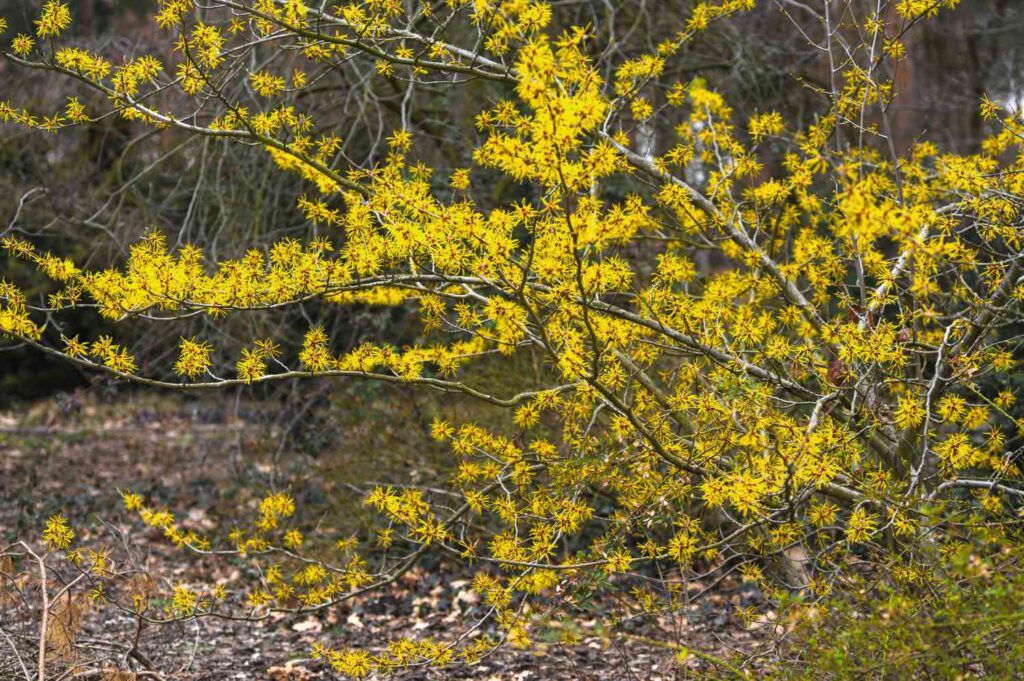
Hamamelis, commonly known as the witch hazel or amamelide, is a winter-blooming plant that has been gaining popularity in recent years. Native to Asia and North America, this deciduous shrub boasts beautiful flowers, unique foliage, and numerous health benefits.
Characteristics of Hamamelis
- Genus: Hamamelis belongs to the family Hamamelidaceae.
- Species: There are only six species of Hamamelis, all of which are arbustive, with deciduous leaves that drop in autumn to make way for winter blooms.
- Fruit: Hamamelis produces fruit simultaneously with its flowers, a unique characteristic due to the prolonged time required for the fruits to mature.
- Varieties: Some popular varieties include hamamelis virginiana, hamamelis japonica, hamamelis vernalis, and hamamelis mollis.
Growing Conditions
- Lighting: Hamamelis prefers partial shade, making it an excellent choice for shaded areas.
- Temperature: The plant is hardy and can tolerate cold temperatures, but it may take 15-20 years to reach its full height.
- Watering: Regular watering is necessary, but make sure not to overwater, as this can lead to root rot.
Caring for Hamamelis
- Soil: Use a fertile soil with a pH between 6.0 and 7.0.
- Pruning: Prune the plant only when necessary, removing dead branches to maintain its health.
- Propagation: Transplant the plant in the fall or early spring.
Choosing the Right Variety
- Hamamelis Virginiana: Native to North America, this variety produces yellow flowers in autumn and is ideal for shaded areas.
- Hamamelis Japonica: Originating from Japan, this variety boasts golden flowers with a subtle fragrance and can grow up to 9 meters tall.
- Hamamelis Vernalis: Found in North America, this variety blooms in early spring with orange flowers and has a compact growth habit.
- Hamamelis Mollis: Native to China, this variety produces dark yellow flowers with reddish petals and can grow up to 5 meters tall.
Conclusion
Hamamelis is a beautiful and versatile plant that can add charm to any garden or indoor space. By understanding its characteristics, growing conditions, and care requirements, you can enjoy the unique beauty of this winter-blooming plant.
FAQs
- What are the benefits of using hamamelis in skincare?
- How do I propagate hamamelis?
- Can hamamelis be grown indoors?
- What is the best way to care for my hamamelis plant?
- How long does it take for hamamelis to reach its full height?
- Can hamamelis be used as a natural remedy for certain health issues?
- How do I choose the right variety of hamamelis for my needs?
- Is hamamelis toxic to animals or humans?
Hamamelis in Skincare: Benefits and Uses
Hamamelis has been used for centuries in traditional medicine, particularly in skincare products. Its benefits include:
- Antibacterial properties: Hamamelis can help combat acne-causing bacteria.
- Anti-inflammatory properties: The plant’s anti-inflammatory properties can soothe irritated skin.
- Toner and astringent: Hamamelis can be used as a toner to balance the skin’s pH and tighten pores.
Hamamelis Propagation: Methods and Tips
Propagating hamamelis is relatively easy. Here are some methods:
- Stem cuttings: Take stem cuttings from healthy branches in the fall or early spring.
- Division: Divide established plants to create new ones.
- Layering: Bend a branch down and secure it with wire, allowing roots to form before cutting it off.
Growing Hamamelis Indoors: Tips and Considerations
While hamamelis can be grown indoors, it requires specific conditions:
- Lighting: Provide bright, indirect light.
- Temperature: Keep the temperature between 15-20°C (59-68°F).
- Humidity: Maintain a humid environment.
Hamamelis Care: Tips and Considerations
To keep your hamamelis healthy and thriving:
- Watering: Water regularly, but avoid overwatering.
- Fertilization: Feed the plant with a balanced fertilizer in spring and summer.
- Pruning: Prune dead branches to maintain the plant’s health.
Choosing the Right Variety of Hamamelis
Selecting the right variety depends on your needs:
- Climate: Choose a variety that tolerates your local climate.
- Growth habit: Select a compact or tall variety, depending on your space constraints.
- Flower color: Pick a variety with flowers that match your desired color scheme.
Hamamelis in Health Remedies: Uses and Precautions
While hamamelis has numerous health benefits, it’s essential to use it responsibly:
- Consult a healthcare professional: Before using hamamelis for medicinal purposes.
- Follow dosage guidelines: Adhere to recommended dosages.
- Monitor side effects: Be aware of potential side effects.
Conclusion
Hamamelis is a versatile plant with various uses, from skincare and health remedies to garden decoration. By understanding its characteristics, growing conditions, and care requirements, you can enjoy the unique beauty of this winter-blooming plant while harnessing its numerous benefits.
References
- Hamamelis. (2022). Plant Database. Retrieved from https://www.plantdatabase.org/refine/?q=Hamamelis
- Hamamelis virginiana. (2022). Encyclopedia Britannica. Retrieved from https://www.britannica.com/animal/hamamelis-plant
Glossary
- Arbustive: A type of plant that grows as a shrub.
- Deciduous: A plant that sheds its leaves seasonally.
- Fruit: The reproductive structures of plants, containing seeds.
This comprehensive guide to hamamelis has provided an in-depth look at the characteristics, growing conditions, and care requirements of this beautiful winter-blooming plant. By understanding the unique benefits of hamamelis and how to cultivate it successfully, you can enjoy its beauty and harness its numerous health benefits.


