
Asparagus is a vegetable that belongs to the same botanical family as garlic, but with a significant difference – it’s rich in chlorophyll, responsible for its characteristic green color and beneficial properties. This delicious and nutritious vegetable has been a staple in many cuisines around the world for centuries, and its popularity continues to grow due to its numerous health benefits.
In this article, we will delve into the nutritional benefits of asparagus, its therapeutic uses, and explore some mouth-watering recipes featuring this amazing vegetable. Whether you’re a seasoned gardener or a novice cook, you’ll discover why asparagus is considered a superfood that deserves to be part of your healthy diet.
What are Asparagus?
Asparagus is a perennial plant that belongs to the Asparagaceae family, which includes other vegetables like onions and leeks. It’s characterized by its long, thin stems with tightly packed leaves at the top. The edible parts of asparagus are the stems, which are typically harvested in the spring when they reach a length of 3-6 inches (7-15 cm).
Asparagus is native to Europe, Asia, and North Africa, but it’s now grown worldwide for its delicious flavor and numerous health benefits. There are several types of asparagus, including wild asparagus, which is highly prized for its delicate flavor and texture.
The Nutritional Benefits of Asparagus
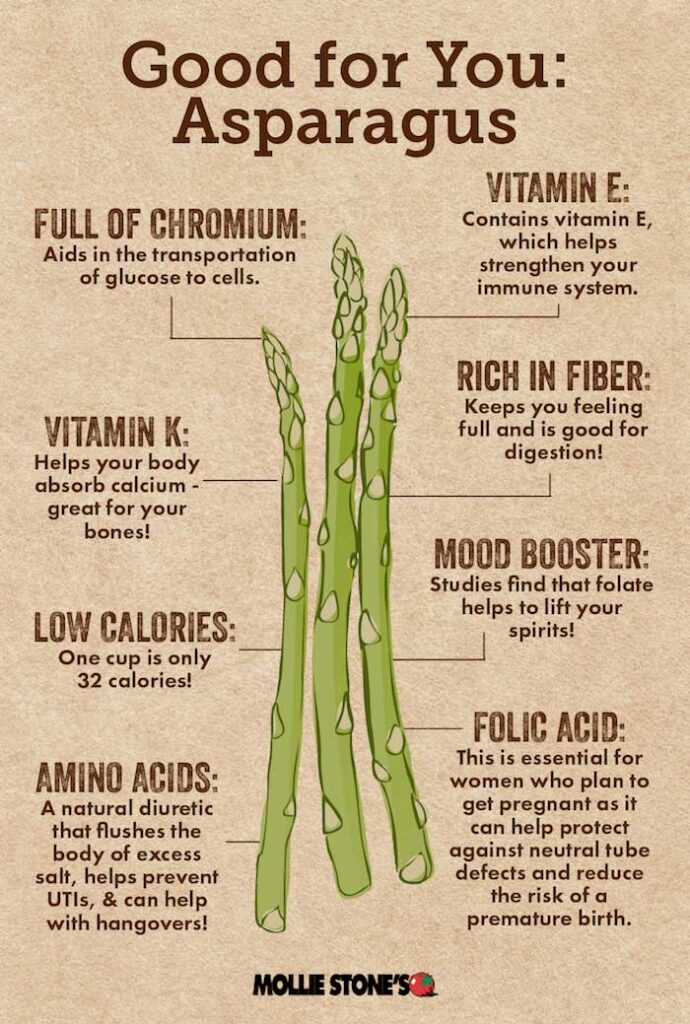
Asparagus is an excellent choice for those following low-calorie diets to lose weight, as it’s higher in fiber compared to other vegetables. From a nutritional standpoint, asparagus contains glucids, protides, fiber composed of cellulose, pectine, and lignina, vitamin A, almost all the vitamins in the B group, and essential minerals like sodium, potassium, phosphorus, magnesium, iron, zinc, copper, and iodine.
Some of the key nutritional benefits of asparagus include:
- High Fiber Content: Asparagus is rich in dietary fiber, which can help lower cholesterol levels, regulate blood sugar, and promote digestive health.
- Antioxidant Properties: Asparagus contains antioxidants that help protect cells from damage caused by free radicals, reducing the risk of chronic diseases like cancer, heart disease, and neurodegenerative disorders.
- Anti-Inflammatory Effects: Asparagus has anti-inflammatory properties, which can help reduce inflammation in the body and alleviate symptoms associated with conditions like arthritis and asthma.
Calories in Asparagus
Asparagus is extremely low in calories – only 20 calories per 100 grams of product. This makes it an ideal addition to weight loss diets, as it’s filling and nutritious without adding excess calories.
The Health Benefits of Asparagus
Thanks to its nutritional properties, asparagus has various beneficial effects on the body. Its high potassium content protects the heart and muscles, while its micronutrients are a balanced mix of vitamins and minerals necessary for proper nervous system function and heart health.
Some of the key health benefits of asparagus include:
- Heart Health: Asparagus is rich in potassium, which helps lower blood pressure and reduce the risk of cardiovascular disease.
- Digestive Health: Asparagus contains prebiotic fiber that feeds beneficial bacteria in the gut, promoting a healthy gut microbiome.
- Cancer Prevention: Asparagus has antioxidant and anti-inflammatory properties that may help prevent cancer cell growth and reduce the risk of certain types of cancer.
Diuretic Properties of Asparagus
Asparagus has a good diuretic effect due to its high ratio of potassium to nitrogen and the presence of asparagine, which helps extract excess fluids from the body. The best way to consume asparagus for its diuretic properties is through a decoction.
Therapeutic Uses of Asparagus
Asparagus is often recommended for treating rheumatic diseases and urinary problems. In ancient times, asparagus roots were used to treat heart conditions. Today, it’s still used in traditional medicine to alleviate symptoms associated with:
- Urinary Tract Issues: Asparagus has been used to treat urinary tract infections (UTIs) and other bladder issues.
- Rheumatism: The anti-inflammatory properties of asparagus may help reduce joint pain and inflammation associated with rheumatic diseases.
Wild Asparagus
Wild asparagus is highly prized for growing in uncultivated pastures and deciduous forests, particularly under oak trees. Wild asparagus has a thinner stem than the commonly found variety. The young shoots of wild asparagus are harvested in spring and have a delicate flavor when cooked with olive oil, lemon juice, garlic, and salt.
Consuming Asparagus Raw
Asparagus is typically used in salads, risottos, soups, or savory pastries. However, it can also be enjoyed raw. The best way to consume raw asparagus is by grating the tips of the shoots and adding them to fresh salads.
Recipes Featuring Asparagus
We recommend checking out our culinary recipe sections for more ideas:
- Risotto with Asparagus: A classic Italian dish featuring sautéed asparagus, Arborio rice, and Parmesan cheese.
- Spinach Asparagus Frittata: A delicious breakfast or brunch option featuring eggs, spinach, and grilled asparagus.
- Tagliatelle with Wild Asparagus: An authentic Italian pasta dish showcasing wild asparagus, tagliatelle noodles, and a rich tomato sauce.
- Asparagus Fritters: Crispy fritters filled with grated asparagus, onions, and Parmesan cheese.
By incorporating asparagus into your diet, you’ll not only be enjoying its delicious flavor but also reaping the numerous health benefits it has to offer. Whether you’re a seasoned cook or a novice gardener, asparagus is an excellent addition to any meal. So go ahead, give this amazing vegetable a try, and discover why it’s considered a superfood that deserves to be part of your healthy diet.


