
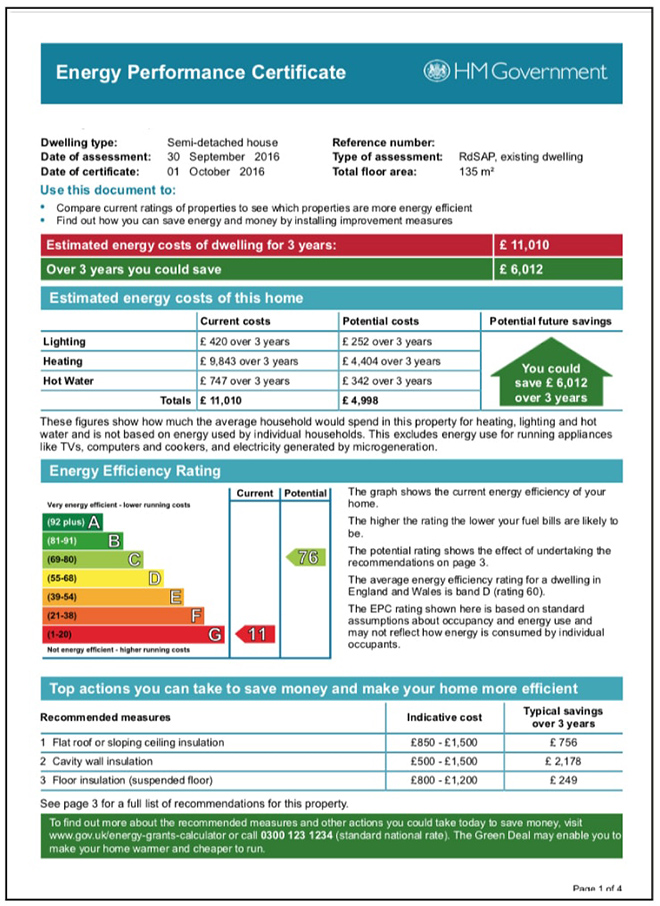
As of October 1st, the Unified Energy Performance Certificate (UEPC) has become the standard certificate for energy performance assessment across Italy. This change aims to eliminate regional differences in certification procedures and provide a uniform framework for assessing building energy efficiency.
What is the Unified Energy Performance Certificate?
The UEPC is a document that summarizes an individual building’s or property’s energy-related characteristics, serving as a crucial tool for controlling energy performance. The certificate plays a significant role in transactions related to real estate purchases and rentals, providing valuable information about the building’s energy consumption.
Key Changes Under the New Regulations
- Unified Certification Procedure: The new regulations have abolished regional differences in certification procedures, ensuring that all buildings across Italy follow the same assessment methodology.
- Certified Professionals Only: To issue a valid UEPC, certified professionals are required to undergo training and adhere to national standards.
- Decennial Validity: The certificate remains valid for ten years unless major renovations require its replacement.
Understanding the Energy Performance Rating
The energy performance rating is represented by a letter from A to G, indicating the building’s energy efficiency level. This rating plays a crucial role in real estate transactions and can be used as leverage to increase property values.
- Energy Performance Rating Scale: The UEPC uses a scale that ranges from A (the highest) to G (the lowest). The ratings are determined by assessing the building’s energy consumption, taking into account factors such as heating, cooling, lighting, and insulation.
- Factors Influencing Energy Performance: Several factors contribute to a building’s energy performance rating, including:
- Building type and construction materials
- Insulation and window quality
- HVAC systems and equipment efficiency
- Lighting levels and types
Real-World Applications of the Unified Energy Performance Certificate
- Property Valuation: The UEPC provides valuable information about a building’s energy consumption, making it an essential tool for property valuation.
- Mortgage Financing: Lenders often require a valid UEPC as part of their mortgage application process, demonstrating a property’s energy efficiency.
- Energy Efficiency Incentives: Homeowners and businesses may be eligible for government incentives and tax credits based on the energy performance rating.
- Leasing and Renting: The UEPC can serve as an important factor when negotiating lease or rental agreements.
Costs Associated with the Unified Energy Performance Certificate
The cost of obtaining a UEPC varies between €150 and €300, depending on factors such as the building type and location. The certificate is not standardized, so prices may differ among certified professionals.
- Factors Affecting Costs: Several factors influence the cost of obtaining a UEPC, including:
- Building size and complexity
- Location and accessibility
- Certified professional’s expertise and reputation
Best Practices for Obtaining a Valid Unified Energy Performance Certificate
- Pre-qualification: Seek multiple quotes from certified professionals to compare prices and services.
- Clear Expectations: Ensure that the contract includes all necessary costs, such as IVA, shipping fees, and additional expenses.
Certified Professionals for Your UEPC Needs
To ensure a high-quality certification process, look for certified professionals with experience in energy performance assessments.
- Certification Bodies: Recognized certification bodies can help you identify qualified certified professionals.
- Professional Associations: Memberships in professional associations, such as the Italian Association of Energy Auditors (ASSOED), demonstrate expertise and commitment to industry standards.
- References and Reviews: Research online reviews and ask for references from previous clients to gauge a certified professional’s reputation.
Benefits of Implementing the Unified Energy Performance Certificate
- Increased Property Value: A valid UEPC can increase property values by showcasing energy efficiency and sustainability features.
- Improved Energy Efficiency: The certification process encourages building owners to adopt energy-efficient practices, reducing energy consumption and costs.
- Enhanced Transparency: The UEPC promotes transparency in real estate transactions, allowing buyers and renters to make informed decisions about properties.
Challenges and Limitations of the Unified Energy Performance Certificate
- Complexity of the Certification Process: The certification process can be complex and time-consuming, requiring significant expertise and resources.
- Costs and Fees: Obtaining a UEPC may involve significant costs, which can be a barrier for some property owners and renters.
- Limited Accessibility: Not all certified professionals have equal access to building information or technical expertise, potentially limiting the availability of valid certificates.
Future Developments and Opportunities
- Integrating with Smart Home Systems: The UEPC may become more relevant as smart home systems integrate energy management features.
- Increased Focus on Sustainable Design: Building owners and renters are likely to prioritize sustainable design elements in the future, making the UEPC a valuable tool for demonstrating environmental responsibility.
- Expansion of Energy Efficiency Incentives: Governments may expand energy efficiency incentives based on the energy performance rating, encouraging more building owners and renters to adopt energy-efficient practices.
By understanding the Unified Energy Performance Certificate and its implications, property owners can make informed decisions about their properties’ energy efficiency and increase their value on the market.


