
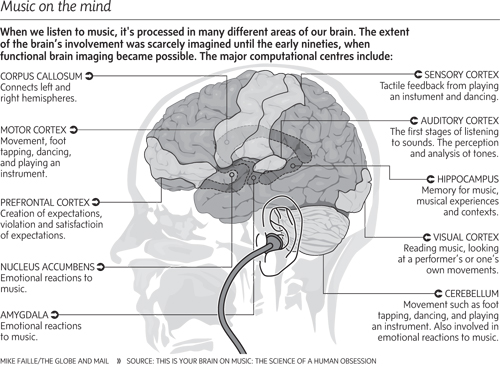
Music and the brain are intricately linked, influencing each other in complex ways. Our brains can decide what music we want to listen to, but it’s also true that music can condition our minds, leading to specific choices, emotions, and experiences. This relationship is not always positive, as there are instances where music can have a negative impact on our mental state.
The Science Behind Music and the Brain
Recent studies have shed light on the fascinating connection between music and the brain. One groundbreaking study conducted by researchers at the University of Zurich found that our favorite song has an effect similar to LSD on the brain, activating the same receptors that are typically activated when we consume psychoactive substances.
The Study
Led by Katrin Preller, a team of researchers from the University of Zurich conducted this study to investigate the impact of music on the brain. They used a combination of LSD and ketanserina in their experiment, which blocked the ability of LSD to interact with serotonin receptors in the brain. The results showed that participants who listened to music while under the influence of LSD responded differently to the music compared to those who received a placebo.
The Effects of Music on the Brain
This study highlights the complex relationship between music and the brain. The researchers found that music can activate the same brain regions as psychoactive substances, which could have significant implications for our understanding of the neural basis of consciousness. Furthermore, previous studies have shown that music can stimulate the release of dopamine, a neurotransmitter associated with pleasure and reward.
The Power of Music in Therapy
Music has been used therapeutically for decades to improve cognitive function, emotional well-being, and social skills. Music therapy is often used to treat individuals with motor disorders or dementia, as well as children with special needs. The benefits of music therapy include improved mood, increased motivation, and enhanced neural plasticity.
The Benefits of Music for Everyday Life
Music’s impact on our lives extends far beyond therapeutic applications. It has the power to improve our mood, reduce stress, and even aid in sleep. Listening to music can influence our emotions without our conscious awareness, making it a powerful tool for emotional regulation. Moreover, music has been shown to have a profound effect on our cognitive abilities, improving memory, concentration, and creativity.
Tips for Harnessing Music’s Power
Fortunately, everyone can benefit from the power of music, regardless of age or ability. For newborns, music is particularly beneficial, as it can stimulate their brain development and improve their reaction time. For parents with premature babies or those struggling with insomnia, music therapy can be a game-changer.
How Music Affects Our Brain Chemistry
Music’s impact on our brain chemistry is complex and multifaceted. Research suggests that music can influence the release of neurotransmitters such as dopamine, serotonin, and endorphins, which play a crucial role in regulating our mood, emotional state, and cognitive function. The specific ways in which music affects our brain chemistry are still not fully understood, but it’s clear that music has the potential to have a profound impact on our mental health.
The Relationship Between Music and Emotional Expression
Music is often used as a form of emotional expression, allowing us to convey feelings and emotions through melody, harmony, and rhythm. Research suggests that listening to music can stimulate the release of oxytocin, a neurotransmitter associated with social bonding and attachment. This highlights the complex relationship between music, emotion, and social connection.
The Role of Music in Social Interaction
Music has long been an integral part of social interaction, playing a crucial role in shaping our cultural identity and sense of community. Research suggests that music can facilitate social bonding, empathy, and cooperation, highlighting its importance in building strong relationships with others.
The Benefits of Music for Children’s Development
Music is particularly beneficial for children’s development, as it can stimulate their brain growth and improve their cognitive skills. Music has been shown to enhance language development, memory, and spatial-temporal skills, making it an essential tool for early childhood education.
How Music Can Improve Our Cognitive Function
Research suggests that music can have a profound impact on our cognitive function, particularly in older adults. Music has been shown to improve memory, concentration, and spatial-temporal skills, making it an effective tool for maintaining cognitive health as we age.
The Benefits of Music for Mental Health
Music’s impact on mental health is complex and multifaceted. Research suggests that music can reduce stress, anxiety, and depression, while improving mood and emotional well-being. Music has also been shown to have a profound impact on our brain chemistry, influencing the release of neurotransmitters such as dopamine and serotonin.
The Role of Music in Pain Management
Music is increasingly being recognized as a powerful tool for pain management, particularly in palliative care settings. Research suggests that music can reduce pain intensity and improve mood, making it an essential component of pain management strategies.
Tips for Using Music to Improve Your Mental Health
Fortunately, everyone can benefit from the power of music, regardless of age or ability. For individuals struggling with mental health issues such as depression, anxiety, or stress, music therapy can be a game-changer. Here are some tips for using music to improve your mental health:
- Listen to calming music: Calming music can help reduce stress and anxiety by promoting relaxation.
- Experiment with different genres: Find the types of music that resonate with you and stimulate positive emotions.
- Use music as a tool for emotional regulation: Listen to music that helps regulate your emotions, such as calming music during times of stress.
- Connect with others through music: Join a musical group or attend concerts to connect with others who share your passion for music.
Conclusion
The relationship between music and the brain is complex and multifaceted, with far-reaching implications for our emotional, cognitive, and social well-being. By understanding how music affects our brains, we can unlock its full potential and harness its power to improve our lives. Whether you’re looking to reduce stress, improve your mood, or enhance your cognitive function, music has the power to make a positive impact on your mental health.
Frequently Asked Questions (FAQs)
- What does this study mean for the treatment of mental health disorders?
This study’s findings could lead to new treatments for mental health conditions by exploiting the brain’s response to music.
- Can music therapy be used as a preventative measure against cognitive decline?
Research suggests that regular music exposure can help build resilience and improve cognitive function in older adults.
- How does music affect our emotional state, and is it a reliable mood booster?
Music’s impact on emotions is complex, but research shows that listening to music can reduce stress and anxiety while improving mood.
- Can I use music to improve my focus and concentration?
Yes, music has been shown to enhance cognitive performance, particularly when used in conjunction with other training methods.
- What role does dopamine play in music’s effects on the brain?
Dopamine release is associated with pleasure and reward, making it a key player in music’s ability to influence our emotional state.
- Can I use music as a tool for stress relief and relaxation?
Music has been shown to reduce stress and anxiety by promoting relaxation and calming the mind.
- How can I incorporate music into my daily life to improve my mood and cognitive function?
Experiment with different genres, tempos, and volumes to find what works best for you and explore music therapy techniques.
- Is there any scientific evidence supporting the use of music in education?
Research shows that music training can enhance linguistic skills, memory, and spatial-temporal skills, making it a valuable tool for education.


