
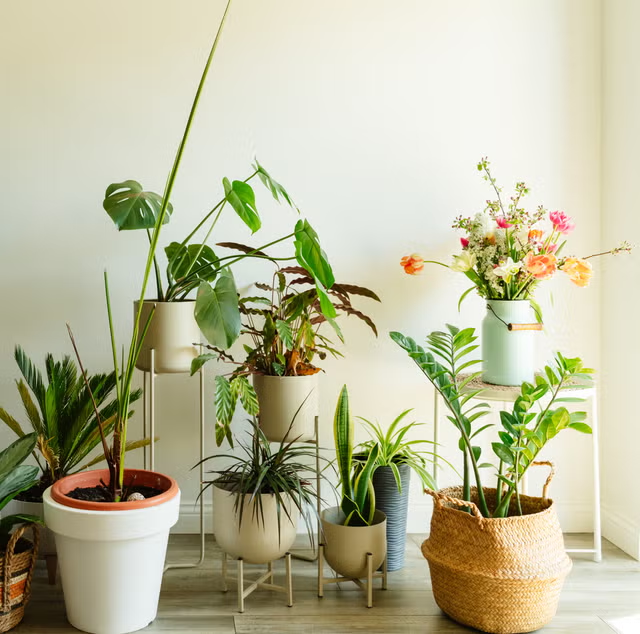
As we spend more time indoors, it’s easy to forget about the importance of nature on our mental and physical health. But what if I told you that there’s a simple way to bring some of that natural goodness into your home? Enter the world of indoor plants, also known as houseplants.
These living beings have a profound impact on our well-being, and it’s time we give them the recognition they deserve. So, let’s dive in and explore how indoor plants can help us feel better, both physically and mentally.
The Physical Benefits of Indoor Plants
Indoor plants are more than just decorative pieces; they’re also air purifiers, humidifiers, and even insect repellents. Here are some ways they can benefit your physical health:
- Air purification: Indoor plants absorb pollutants like formaldehyde, benzene, and trichloroethylene from the air, making it healthier to breathe.
- Humidification: Plants release moisture into the air through transpiration, which helps maintain a healthy humidity level in your home. This is especially important during the dry winter months when indoor heating can dry out the air.
- Insect control: Some plants, like lavender and basil, repel insects that can spread diseases or cause allergies.
Some of the most effective indoor plants for air purification include:
| Plant | Pollutants Removed |
|---|---|
| Snake Plant (Sansevieria) | Formaldehyde, benzene, trichloroethylene |
| Spider Plant (Chlorophytum comosum) | Formaldehyde, xylene, toluene |
| Peace Lily (Spathiphyllum wallisii) | Ammonia, benzene, formaldehyde |
The Psychological Benefits of Indoor Plants
But the benefits of indoor plants don’t stop there. They also have a profound impact on our mental health and well-being. Here are some ways they can help:
- Stress reduction: Caring for plants has been shown to reduce stress levels and promote relaxation.
- Mood boost: Being around plants can improve your mood and reduce symptoms of depression.
- Improved focus: The calming effects of indoor plants can also help you stay focused and concentrated.
Some studies have found that being in nature, including with indoor plants, can:
- Improve cognitive functioning
- Reduce symptoms of anxiety and depression
- Boost mood and overall sense of well-being
Choosing the Right Plants
With so many types of indoor plants available, it can be overwhelming to choose the right ones for your home. Here are some popular options:
| Plant | Benefits |
|---|---|
| Snake Plant (Sansevieria) | Low-maintenance, air-purifying, and insect-repelling |
| Spider Plant (Chlorophytum comosum) | Easy to care for, produces baby plants, and purifies the air |
| Peace Lily (Spathiphyllum wallisii) | Removes toxins from the air, produces white blooms, and is low-maintenance |
Consider your lifestyle, climate, and personal preferences when selecting indoor plants. Some popular options include:
- Low-maintenance plants like succulents and cacti for busy people or those new to plant care
- Air-purifying plants like peace lilies and spider plants for those with allergies or sensitivities
- Decorative plants like ferns and philodendrons for a touch of greenery
Creating a Plant-Friendly Environment
To get the most out of your indoor plants, it’s essential to create a plant-friendly environment. Here are some tips:
- Lighting: Most indoor plants prefer bright, indirect light. Consider using grow lights or placing plants near windows with filtered sunlight.
- Watering: Overwatering is one of the most common mistakes made when caring for indoor plants. Check the soil moisture regularly and adjust your watering schedule accordingly.
- Temperature: Most indoor plants prefer temperatures between 65-75°F (18-24°C). Avoid placing plants near heating or cooling vents, fireplaces, or drafty windows.
- Humidity: Indoor plants thrive in humid environments, typically between 40-60% relative humidity. Consider using a humidifier or placing plants on a tray with pebbles and water to increase the surrounding moisture.
By creating a plant-friendly environment and choosing the right indoor plants for your needs, you can enjoy the many benefits of these living beings.
Common Challenges and Solutions
While indoor plants are relatively low-maintenance, they can still present challenges. Here are some common issues and solutions:
- Overwatering: Check the soil moisture regularly and adjust your watering schedule accordingly. Avoid getting water on the leaves or crown of the plant.
- Pests: Inspect your plants regularly for pests like spider mites, mealybugs, and scale. Use organic pest control methods whenever possible.
- Nutrient deficiencies: Fertilize your plants during the growing season (spring-fall) with a balanced, water-soluble fertilizer.
By being aware of these common challenges and taking steps to address them, you can enjoy a thriving and healthy indoor plant collection.
Conclusion
Indoor plants are more than just decorative pieces; they’re a vital part of our well-being. By incorporating them into your home, you can improve your physical and mental health, reduce stress levels, and even boost your mood.
So, go ahead and get planting! Your body – and mind – will thank you.
Frequently Asked Questions
- Q: How often should I water my indoor plants?
A: The frequency of watering depends on the type of plant, pot size, and climate. Check the soil moisture by sticking your finger into the soil up to the first knuckle. - Q: Can indoor plants purify the air in a small space?
A: Yes, indoor plants can purify the air even in small spaces. However, it’s essential to choose low-maintenance plants that thrive in low-light conditions. - Q: How can I keep my indoor plants healthy and pest-free?
A: Regularly inspect your plants for pests, fertilize them during the growing season, and prune dead or dying leaves. - Q: Can indoor plants help with allergies?
A: Yes, some indoor plants have natural allergen-fighting properties. For example, spider plants and peace lilies remove toxins from the air. - Q: How can I care for my indoor plants during the winter months?
A: Reduce watering, increase lighting, and maintain a consistent temperature between 65-75°F (18-24°C). - Q: Can I grow indoor plants in low-light conditions?
A: Yes, many plants thrive in low-light conditions. However, it’s essential to choose plants that are adapted to low light or provide supplemental lighting. - Q: How can I use my indoor plants for stress relief?
A: Simply sitting near your plants, caring for them, or even just looking at their beauty can help reduce stress levels and promote relaxation. - Q: Can I propagate my indoor plants to share with friends?
A: Yes, many indoor plants can be propagated through division, stem cuttings, or leaf propagation. Research the specific propagation method for your plant species.


