
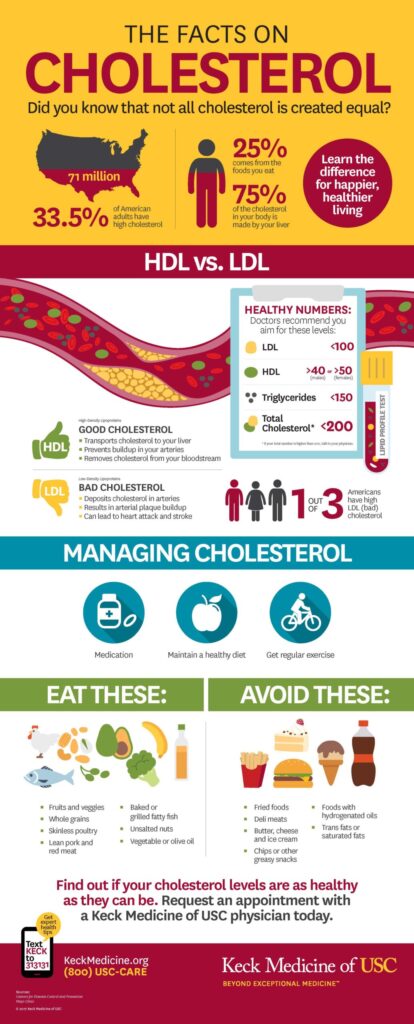
As we navigate the complex world of cardiovascular health, one crucial aspect that often gets overlooked is cholesterol. With the term “high cholesterol” becoming increasingly prevalent, it’s essential to understand what makes up healthy and unhealthy levels. In this article, we’ll delve into the fascinating realm of lipoproteins, explore how they impact our well-being, and provide actionable tips on maintaining a balance between good and bad cholesterol.
What is Cholesterol?
Before diving into the intricacies of cholesterol, let’s define what lipoproteins are. Lipoproteins are complex particles made up of a lipid core surrounded by a protein shell. Think of them like a package with a “candy” (lipid) center and an outer layer of protection (protein). This structure allows lipoproteins to transport fats within our bodies, ensuring that the necessary nutrients reach their intended destinations.
The Different Types of Cholesterol
There are two primary types of cholesterol: good (HDL) and bad (LDL). HDL is often referred to as “good” cholesterol because it plays a vital role in removing excess cholesterol from the bloodstream. LDL, on the other hand, is known as “bad” cholesterol due to its tendency to accumulate in arterial walls, leading to various cardiovascular issues.
HDL: The Good Cholesterol
HDL is responsible for collecting and transporting excess cholesterol to the liver for excretion. In essence, it acts like a “spouse” that helps remove unwanted guests (excess cholesterol) from the party (our bloodstream). When HDL levels are optimal, it indicates a healthier cardiovascular system.
LDL: The Bad Cholesterol
LDL, however, is more of a troublemaker. It’s responsible for delivering cholesterol to cells throughout the body. If LDL levels become too high, it can lead to the formation of plaque in arterial walls, resulting in conditions like atherosclerosis and increased risk of heart disease.
The Impact of LDL on Arterial Health
When LDL accumulates in arteries, it causes a series of problems:
- Narrowed blood vessels: The accumulation of LDL can lead to the hardening and narrowing of arteries, reducing their ability to accommodate blood flow.
- Increased risk of heart attack and stroke: If LDL continues to build up, it can cause blockages in the arteries, leading to life-threatening cardiovascular events.
Maintaining a Balance Between Good and Bad Cholesterol
To maintain healthy cholesterol levels, focus on incorporating diet and lifestyle modifications that promote HDL production and reduce LDL levels. Here are some evidence-based tips:
- Eat a balanced diet: Focus on consuming plant-based foods, whole grains, lean proteins, and healthy fats.
- Choose anti-inflammatory foods: Include foods rich in antioxidants, such as berries, leafy greens, and other fruits and vegetables, to help reduce inflammation.
- Stay hydrated: Drink plenty of water throughout the day to help flush out toxins and promote overall health.
Testing for Cholesterol Levels
When it comes to measuring cholesterol levels, there are a few different tests available. The most common one is the Lipid Profile Test, which measures total cholesterol, HDL, LDL, and triglycerides. Aim for the following ranges:
- Total Cholesterol: Less than 200 mg/dL
- HDL: 40-100 mg/dL
- LDL: Less than 100 mg/dL
By understanding the complex relationship between good and bad cholesterol, you’ll be better equipped to make informed decisions about your diet and lifestyle. Remember, maintaining a balance between HDL and LDL is key to supporting cardiovascular health.
FAQs
Q: How often should I get my cholesterol levels checked?
A: It’s recommended to have your cholesterol levels checked every 5 years if you’re under 40 or have no risk factors for heart disease. For those over 45, the American Heart Association recommends checking cholesterol levels every year.
Q: Can I lower my LDL with diet alone?
A: While a balanced diet can help reduce LDL levels, it’s often not enough to achieve significant changes on its own. Consult with your doctor about incorporating lifestyle modifications and potential medication if necessary.
Q: What’s the difference between “good” HDL and “bad” LDL?
A: HDL is considered good because it helps remove excess cholesterol from the bloodstream, while LDL is bad because it can accumulate in arterial walls, leading to cardiovascular issues.
Q: Can stress contribute to high cholesterol levels?
A: Yes, chronic stress can raise cortisol levels, which can contribute to increased LDL production and reduced HDL levels. Practice stress-reducing techniques like meditation, yoga, or deep breathing exercises to help manage stress.
Q: How does smoking affect cholesterol levels?
A: Smoking is a significant risk factor for high cholesterol, as it damages the lining of blood vessels and increases LDL levels. Quitting smoking can significantly improve overall cardiovascular health.
Q: Can I get too much HDL?
A: While HDL is generally considered good, extremely high levels (above 100 mg/dL) may indicate an underlying condition or medication side effect. Consult with your doctor to determine if elevated HDL levels are a cause for concern.
Additional Tips and Strategies
In addition to the tips mentioned earlier, here are some more strategies to support healthy cholesterol levels:
- Exercise regularly: Regular physical activity can help raise HDL levels and lower LDL levels.
- Get enough sleep: Poor sleep quality and duration have been linked to increased risk of cardiovascular disease. Aim for 7-9 hours of sleep per night.
- Limit saturated and trans fats: These types of fat can raise LDL levels and reduce HDL levels. Limit your intake of processed and fried foods, and choose healthier alternatives like avocado oil and olive oil.
By incorporating these tips and strategies into your daily routine, you’ll be well on your way to maintaining healthy cholesterol levels and supporting overall cardiovascular health. Remember, it’s always a good idea to consult with your doctor or healthcare provider before making any significant changes to your diet or lifestyle.


