
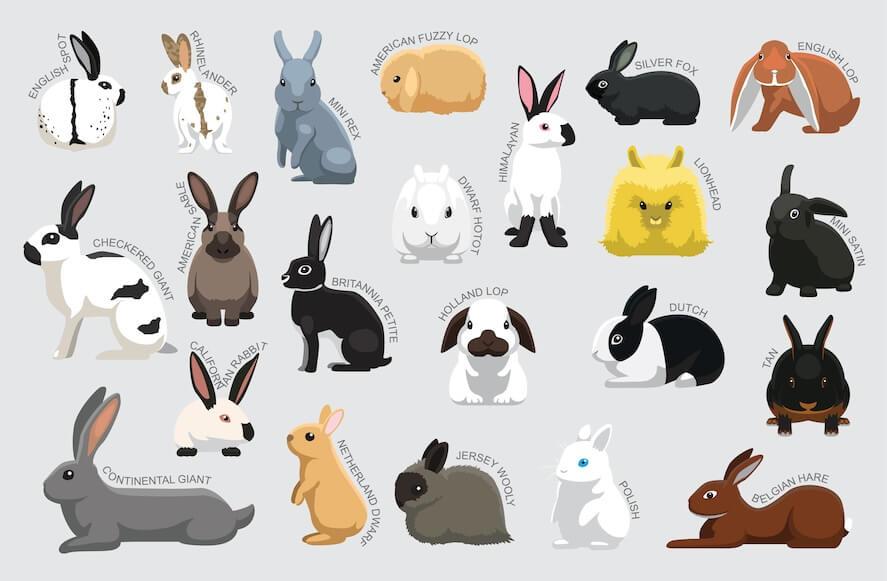
Are you looking to start a rabbit breeding program, but not sure where to begin? With so many breeds to choose from, it can be overwhelming. In this article, we’ll explore some of the best rabbit breeds for family-friendly allevamento and provide you with the knowledge needed to make an informed decision.
Understanding the Importance of Breeding Standards
The Anci (Italian Association of Rabbit Breeders) has established standards for morphological characteristics that distinguish each breed of rabbit. These standards are crucial in ensuring that your rabbits are healthy, robust, and produce high-quality offspring. By selecting breeds with these desirable traits, you’ll be well on your way to creating a thriving and successful allevamento.
The Benefits of Cross-Breeding
Cross-breeding different purebred rabbit strains can lead to remarkable benefits for your flock. Not only do the resulting offspring exhibit desirable characteristics from both parent breeds, but they also tend to enjoy improved health and robustness. This approach allows you to fine-tune your breeding program and produce rabbits that excel in terms of meat production, fertility, or overall hardiness.
Rabbit Breeds Suitable for Family Allevamento
Here are some popular rabbit breeds that make excellent choices for family-friendly allevamento:
Argentata di Champagne
Originating from France, this breed is known for its striking silver-gray coat and impressive weight (around 5 kg). The Argentata di Champagne has a rearing percentage of approximately 60%, making it an ideal choice for families looking to produce high-quality meat. For optimal breeding results, pair the female with a male Fulva di Borgogna.
Blu di Vienna
Hailing from Austria, this breed boasts a striking blue-gray coat and impressive weight (around 5 kg). The Blu di Vienna is well-suited for family-friendly allevamento due to its adaptable nature and relatively low dietary needs. Mating the female with a male Fulva di Borgogna will produce offspring exhibiting desirable traits.
California
This breed has undergone extensive breeding and selection, yielding a reliable meat producer (64% rearing percentage). California rabbits weigh between 3.5 kg and 4.5 kg and are well-suited for family-friendly allevamento due to their manageable size and hardiness.
Bianco di Nuova Zelanda
If you’re looking for a breed that produces high-quality meat with minimal weight gain, the Bianco di Nuova Zelanda is an excellent choice (64% rearing percentage). This breed boasts an impressive weight of 5 kg and is well-suited for industrial-scale production.
Tips for Choosing the Right Rabbit Breed
When selecting a rabbit breed for your family’s allevamento, consider factors such as:
• Age: Look for breeds with early maturity, ensuring you can harvest your rabbits at the optimal time.
• Space: Select breeds that thrive in smaller or larger enclosures, depending on your available space.
• Dietary needs: Consider breeds with adaptable dietary requirements to reduce feeding costs.
Factors to Consider When Choosing a Rabbit Breed
Before selecting a breed for your family’s allevamento, consider factors such as:
- Climate: Choose breeds that are well-suited to the climate in your area. For example, if you live in a hot and humid climate, choose breeds with heat-tolerant characteristics.
- Disease resistance: Select breeds that are resistant to common diseases such as myxomatosis and viral hemorrhagic disease (VHD).
- Hardiness: Choose breeds that are hardy and can thrive in a variety of environments.
- Feed efficiency: Consider breeds with high feed conversion ratios, which will help reduce feeding costs.
Conclusion
Choosing the right rabbit breed for your family’s allevamento is a crucial decision. By selecting breeds with desirable traits and considering factors like age, space, and dietary needs, you’ll be well on your way to establishing a thriving and successful allevamento program. Remember to research thoroughly and consult with experienced breeders to ensure you’re making an informed decision.
Frequently Asked Questions
Q: What is the purpose of cross-breeding different rabbit breeds?
A: Cross-breeding allows for the combination of desirable traits from both parent breeds, leading to improved health, fertility, and overall robustness in offspring.
Q: Which breed is best suited for family-friendly allevamento?
A: The Argentata di Champagne, Blu di Vienna, California, and Bianco di Nuova Zelanda are all excellent choices due to their desirable traits and adaptability to family-friendly environments.
Q: How often should I harvest my rabbits for meat production?
A: The ideal harvesting time depends on the breed and desired weight. Research specific guidelines for your chosen breed to ensure optimal results.
Q: What is the average lifespan of a rabbit in an allevamento program?
A: The average lifespan of a rabbit in an allevamento program can range from 12-18 months, depending on factors like breed, nutrition, and health conditions.
Q: Can I keep coniglio e gatto together in the same cage?
A: No, it is not recommended to house rabbits and cats together as they have different dietary needs and may lead to conflict.
Q: How much space do I need for a rabbit breed specifically designed for industrial-scale production?
A: The amount of space required for an industrial-scale rabbit breed will depend on the specific breed’s requirements. Research specific guidelines for your chosen breed to ensure optimal results.
Q: What are some common health issues affecting rabbits in allevamento programs?
A: Common health issues affecting rabbits include respiratory problems, digestive disorders, and parasites. Regular veterinary check-ups can help identify potential issues early on.
Q: Can I breed rabbits with different coat colors or patterns?
A: Yes, breeding rabbits with different coat colors or patterns can be done through selective breeding techniques. Research specific guidelines for your chosen breed to ensure optimal results.
Q: What is the average cost of starting a rabbit allevamento program?
A: The average cost of starting a rabbit allevamento program will depend on factors like initial stock purchases, feed, and veterinary care. Research specific costs associated with your chosen breed to ensure optimal results.
By understanding the importance of breeding standards, cross-breeding benefits, and selecting suitable breeds for family-friendly allevamento, you’ll be well on your way to establishing a thriving and successful rabbit breeding program.


