
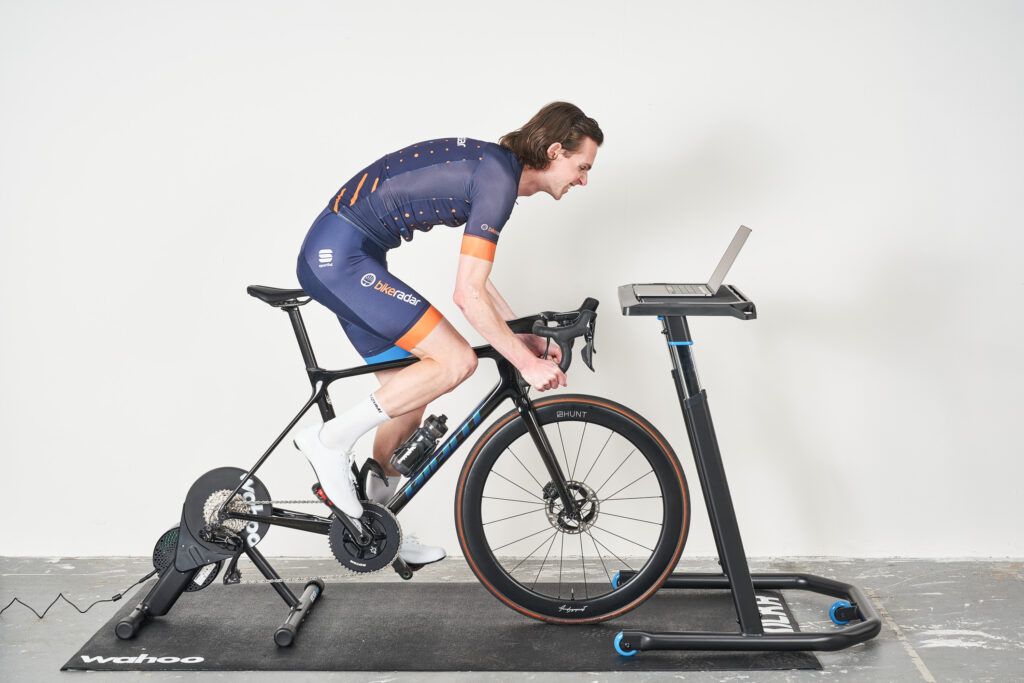
Cycling seems simple from the outside: just hop on your bike and pedal away. However, the reality is far more complex. Training for cycling requires a bit of effort and attention – a phase often skipped or underestimated because it’s the less enjoyable part of the whole process.
But once you understand how to train effectively and do it correctly, you’ll be hooked on the sense of freedom, adventure, and joy that comes with cycling.
In this article, we’ll explore what you need to do to begin training for cycling. From choosing the right bike to finding your riding style and joining a cycling community, we’ll cover everything you need to know to get started.
Choosing the Right Bike
The first step in getting started is choosing a bike that suits your needs. You can’t just hop onto any old bike; you need one specifically designed for road riding, which is the most common and accessible form of cycling for beginners.
Just like selecting the perfect pair of running shoes, finding the right bike requires careful consideration. As we discussed in our previous article, measuring your bike correctly is crucial to ensure a comfortable and safe ride.
When choosing a bike, consider your budget and riding style. Will you be covering short distances on weekends or planning long-distance rides? Road bikes have specific geometries and components designed for each purpose, so it’s essential to choose the right one for your needs and budget.
There are several types of road bikes to consider, including:
- Racing bikes: Designed for speed and agility, these bikes are perfect for competitive riders.
- Endurance bikes: These bikes are built for comfort and stability, making them ideal for long-distance rides.
- Hybrid bikes: A mix between road bikes and mountain bikes, hybrid bikes offer a comfortable ride on both paved and unpaved roads.
When choosing a bike, don’t forget to consider the following factors:
- Wheel size: Make sure the wheels are the right size for your frame and riding style.
- Gearing: Choose a bike with gears that suit your needs, whether you’re climbing hills or cruising on flat terrain.
- Brakes: Ensure the brakes are reliable and easy to use.
Buying Accessories
Once you’ve found your perfect bike, it’s time to add some essential accessories. A new helmet is a must-have; look for one that meets safety standards and fits comfortably on your head.
Don’t forget to invest in a cycling kit that includes comfortable and aerodynamic clothing, such as tights and gloves. This will not only make you feel more comfortable but also improve your overall performance.
Additionally, consider investing in protective gear like knee pads or elbow pads if you plan on riding rough terrain or engaging in high-impact activities.
Some popular accessories for cyclists include:
- Cycling shoes: Designed specifically for cycling, these shoes offer a secure and comfortable fit.
- Gloves: Improve your grip and control with gloves designed for cycling.
- Lights: Ensure visibility on the road with bright and reliable lights.
- Reflectors: Add extra safety to your ride with reflective gear.
Finding Your Riding Style
As you spend more time on the bike, you’ll discover your personal riding style and preferences. Do you enjoy riding solo or with a group? Are you a competitive cyclist or content with casual rides?
The beauty of cycling is that there are countless ways to ride, and it’s up to you to experiment and find what works best for you. Take some time to explore different types of rides, join local cycling groups, or participate in charity events to meet fellow cyclists and discover your passion.
Some popular riding styles include:
- Road riding: Focus on speed and efficiency on paved roads.
- Mountain biking: Ride on unpaved trails and experience the thrill of off-road adventure.
- Gravel grinding: A hybrid of road and mountain biking, gravel grinding offers a fun and challenging ride.
Joining a Cycling Community
One of the most significant advantages of cycling is its social aspect. Joining a cycling community can provide the motivation and support you need to stick with it, even on days when you’d rather stay home.
Look for local cycling groups in your area, either through online forums or by visiting nearby bike shops. These groups often host regular rides, events, and workshops – perfect opportunities to meet fellow cyclists and learn new skills.
Some popular ways to join a cycling community include:
- Online forums: Join online communities like Strava, Reddit’s r/cycling, or Facebook groups dedicated to cycling.
- Local bike shops: Visit nearby bike shops for advice, repairs, and social events.
- Charity rides: Participate in charity rides and events to meet fellow cyclists and raise money for a good cause.
Tips and Tricks
Here are some additional tips and tricks to help you get started with cycling:
- Start slow: Begin with short rides and gradually increase your distance and intensity.
- Invest in safety gear: Always wear a helmet, follow local traffic laws, and be mindful of your surroundings.
- Stay hydrated: Bring water and snacks on long rides to stay energized and focused.
- Practice good bike maintenance: Regularly check and maintain your bike to ensure it’s running smoothly.
We hope these tips will help you get started on your cycling journey and inspire you to explore the many benefits this sport has to offer.
FAQs
- What’s the best way to start training for cycling?
Start by investing in a bike that suits your needs, then begin with short rides and gradually increase your distance and intensity. - How often should I ride to improve my fitness?
Aim to ride at least 3-4 times per week, with one or two longer rides on the weekends. - What are the most common types of cycling injuries?
Common injuries include knee pain, shin splints, and back strain – be sure to wear protective gear and take regular breaks to avoid these issues. - How can I stay motivated and engaged?
Join a local cycling community, set achievable goals, and celebrate your progress along the way. - What’s the best time of day for a ride?
The early morning or late afternoon is usually ideal – try to avoid peak traffic hours if possible. - Can anyone start cycling, regardless of age or fitness level?
Absolutely! Cycling is an accessible sport that can be enjoyed by people of all ages and fitness levels. - How do I stay safe while cycling?
Always wear a helmet, follow local traffic laws, and be mindful of your surroundings to ensure a safe ride.
Happy cycling!


