
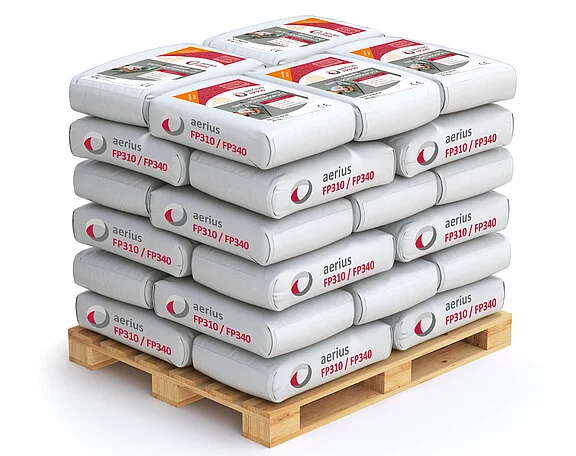
When it comes to repairing walls affected by moisture, one of the primary choices is using dehumidifying intonaci. This type of material not only eliminates the need for more costly and invasive interventions but also provides several benefits that can significantly improve the overall condition of your home.
What are Dehumidifying Intonaci?
Dehumidifying intonaci, often referred to as moisture-absorbing intonaci, consist of materials with a high porosity level (around 45%) and a relatively low percentage of air voids (about 29%). This unique composition enables the material to absorb moisture from walls quickly, more so than water can flow outward.
Do Dehumidifying Intonaci Suit All Needs?
While dehumidifying intonaci offer numerous benefits, their suitability depends on specific needs and conditions. For instance, if your wall is already exposed to excessive humidity or you suspect mold growth, it’s essential to select a suitable intonaco material that can effectively address these issues.
When Can You Use Dehumidifying Intonaci on Already Damaged Walls?
Applying dehumidifying intonaci on walls with existing moisture problems can be beneficial. In fact, this treatment can help restore the wall’s condition, even if it has been affected by water damage or condensation. The key is to choose an appropriate material that won’t further compromise the wall.
The Advantages of Dehumidifying Intonaci
The benefits of dehumidifying intonaci are multifaceted:
- Permanent Humidity Control: These materials provide a stable and moisture-resistant environment, minimizing humidity-related issues.
- Natural Insulation: The high void content in these intonaci acts as an insulator, reducing heat transfer and conserving energy.
- Improved Acoustics: Dehumidifying intonaci can enhance the overall acoustics of a room by absorbing sound waves effectively.
- Mold Prevention: By controlling humidity levels, you reduce the likelihood of mold growth on your walls.
Applications for Dehumidifying Intonaci
These materials are versatile and can be applied in various situations:
- Retrofitting Existing Walls: Dehumidifying intonaci can be used to treat damaged or damp walls without requiring extensive renovations.
- New Construction Projects: They provide an effective means of controlling humidity during building processes, ensuring better insulation and energy efficiency.
- Historic Preservation: By applying these materials to historic buildings, you can protect the integrity of your structure while addressing moisture-related issues.
Cost Considerations
The cost of dehumidifying intonaci varies depending on factors like material composition, quality, and application. On average, you can expect to pay between €10 and €20 per 25 kg, although prices may be higher for specialized materials or more extensive applications.
While dehumidifying intonaci are an effective solution for many problems related to humidity and moisture, it’s crucial to consult with a professional to determine the best course of action for your specific situation. They can help you identify alternative solutions that might be even more suitable for your needs.
Frequently Asked Questions
- How do dehumidifying intonaci work?
Dehumidifying intonaci are designed to absorb moisture from walls quickly, using their high porosity level and relatively low air void content. - Can I use dehumidifying intonaci on already damaged walls?
Yes, they can be applied to existing problems with some consideration of the specific material’s suitability for your situation. - What is the typical cost range for dehumidifying intonaci?
The price varies depending on factors such as quality and application size, but generally falls within €10-€20 per 25 kg. - Are there any specific applications or industries where dehumidifying intonaci are more beneficial?
They can be particularly useful in historic preservation, new construction projects, retrofitting existing walls, and areas prone to moisture issues like coastal regions.
These intonaci materials offer a solution for various humidity-related problems in buildings. By understanding their benefits and applications, you can make informed decisions about whether they’re the right choice for your specific needs.
Choosing the Right Material
When selecting dehumidifying intonaci, consider the following factors:
- Material Composition: Look for materials with high porosity levels (around 45%) and relatively low air void content (about 29%).
- Quality: Choose materials from reputable manufacturers known for their durability and effectiveness.
- Application Size: Ensure the material is suitable for your specific application size, taking into account factors like wall surface area and moisture levels.
Pre-Installation Considerations
Before applying dehumidifying intonaci, ensure you’ve taken necessary precautions:
- Cleaning the Wall Surface: Thoroughly clean the wall surface to remove any dirt, grime, or mold.
- Preparing the Surrounding Area: Clear the surrounding area of any obstacles or debris that could interfere with the application process.
Post-Installation Maintenance
After applying dehumidifying intonaci, it’s essential to perform regular maintenance tasks:
- Monitoring Humidity Levels: Keep an eye on humidity levels in your home to ensure they remain within a safe range.
- Inspecting the Material: Regularly inspect the material for any signs of damage or wear.
By understanding the benefits and applications of dehumidifying intonaci, you can make informed decisions about whether these materials are right for your specific needs. With proper installation and maintenance, they can provide a stable and moisture-resistant environment for years to come.


