
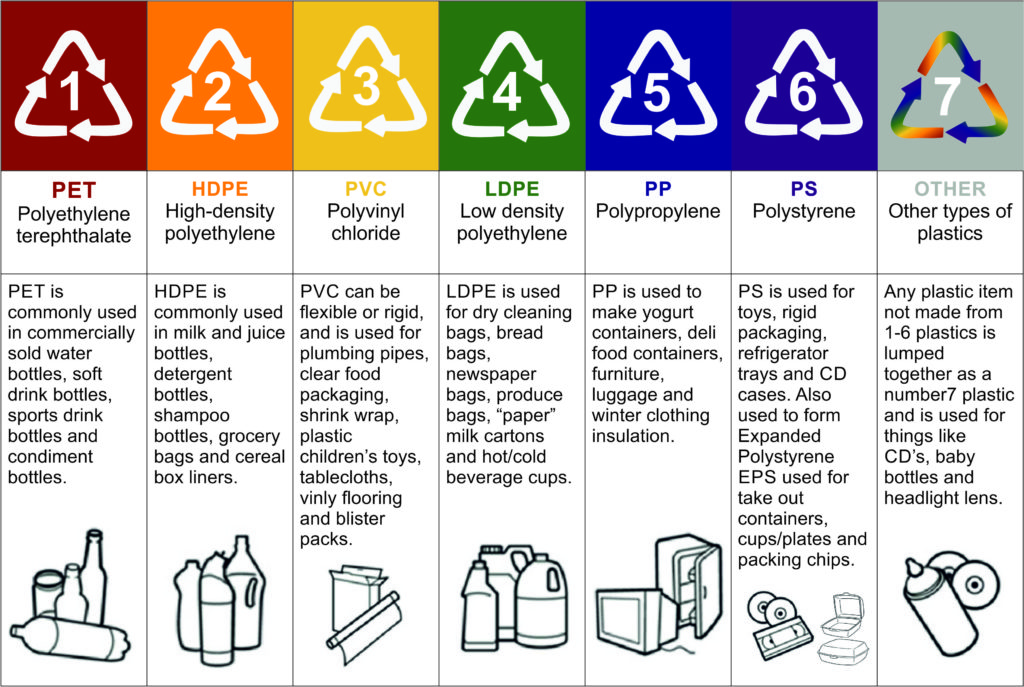
Are you wondering if it’s possible to recycle polypropylene? The answer is yes! Polypropylene, also known as polypropene, is a type of plastic that has numerous applications: from refrigerator components to packaging materials, and even printer cartridges. In this article, we will delve into the world of recycling polypropylene, exploring its uses, challenges, and collection procedures.
Understanding Polypropylene
Polypropylene (polypropene expanded) is primarily used in the packaging industry and is widely employed for producing insulation panels. This versatile material finds its way into various products, including containers, pipes, and automotive parts. Its lightweight nature, high strength-to-weight ratio, and resistance to corrosion make it an ideal choice for many applications.
The Recycling Process of Polypropylene
After collection from households, polypropylene undergoes a process of crushing. The crushed plastic is then heated to high temperatures with controlled pressure to create a molten material. This molten material is then passed through an extrusion process, where it solidifies into a workable state.
The recycling process of polypropylene involves several stages:
- Collection: Polypropylene is collected from households and businesses in designated bins.
- Crushing: The collected plastic is crushed into small pieces to increase its surface area.
- Moltenizing: The crushed plastic is then heated to high temperatures with controlled pressure, resulting in a molten material.
- Extrusion: The molten material is passed through an extruder, where it is shaped and formed into various products.
The Remodeling Process
The recycled polypropylene is then transported to factories that reshape it into various products, such as panels, packaging materials, and more. The remodeling process utilizes high temperatures and controlled pressure to create a highly moldable material.
Challenges of Recycling Polypropylene
Recycling polypropylene poses some economic challenges. Its lightweight nature, density, and durability make transportation costs prohibitively expensive. Moreover, food-grade packaging often requires additional purification steps before recycling, adding to the cost.
Other challenges associated with recycling polypropylene include:
- Contamination: The presence of contaminants such as food residue, liquid, or other non-plastic materials can affect the quality of recycled polypropylene.
- Lack of Standardization: Different manufacturers may use different types and grades of polypropylene, making it difficult to recycle and process.
- Limited Market Demand: The demand for recycled polypropylene is limited, which can make it challenging to find buyers and create a viable market.
How to Recycle Polypropylene: The Differenziated Collection
Polypropylene can only be collected in raccolta differenziata (separate collection) bins if it’s intended for packaging purposes. Food containers and utensils made from polypropylene must be cleaned thoroughly before being placed in the recycling bin. Only packaging materials with the code PS-06 should be included.
Important Notes on Polypropylene Recycling
Not all polypropylene products can be collected through the raccolta differenziata system. Non-food items, such as containers and imballaggi, must be sent to the plastic collection center or disposed of in an ecological bin. Other components, like printer cartridges, should also be recycled through specialized programs.
Interesting Facts About Polypropylene
Did you know that any form of polypropene is banned in Antarctica? The high levels of ingestion by wildlife have led to devastating consequences for many species.
Other interesting facts about polypropylene include:
- Polypropylene’s History: Polypropylene was first developed in the 1950s and has since become one of the most widely used plastics.
- Applications: Polypropylene is used in a wide range of applications, including packaging materials, insulation panels, and automotive parts.
- Recycling Benefits: Recycling polypropylene can help reduce waste, conserve natural resources, and mitigate the environmental impacts associated with plastic production.
Frequently Asked Questions
- What materials can be recycled through the raccolta differenziata system?
- Only food-grade packaging materials with the code PS-06 should be collected.
- Can all polypropylene products be collected in the raccolta differenziata bin?
- No, non-food items and other components must be sent to specialized collection centers or disposed of in ecological bins.
- What happens to recycled polypropylene after it’s collected?
- The material undergoes a crushing process, followed by heating and molding into various products.
- Is recycling polypropylene economically feasible?
- While there are challenges, recycling polypropylene is still a viable option due to its widespread use in packaging materials.
- Can I recycle all types of plastic through the raccolta differenziata system?
- No, only specific codes and materials should be collected in designated bins.
By understanding the process of recycling polypropylene and adhering to proper collection procedures, we can make a significant impact on reducing waste and promoting sustainability.


