
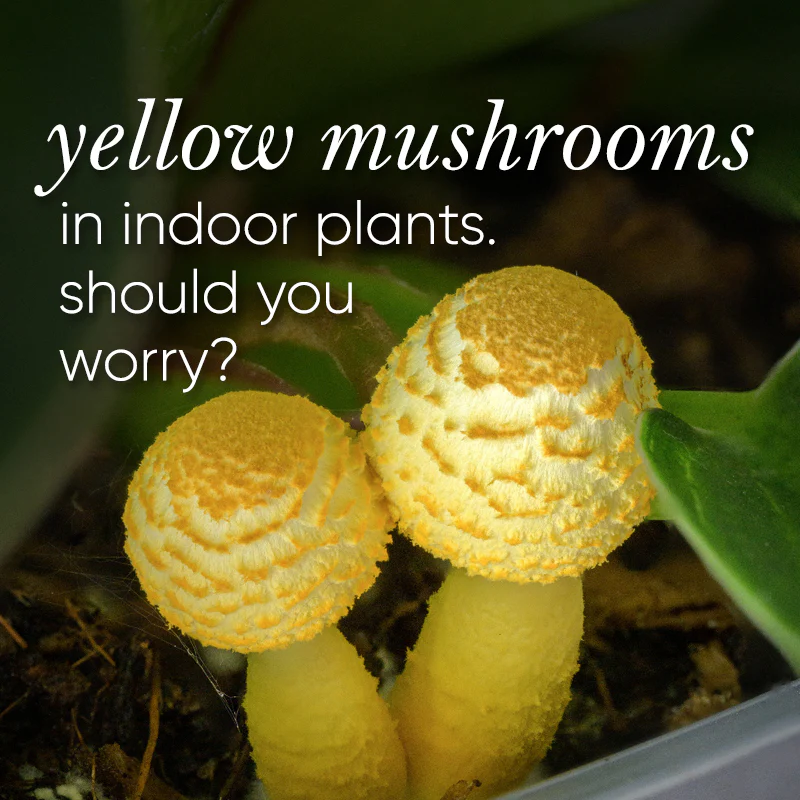
As we explore the fascinating world of fungi, it’s essential to understand the differences between edible and poisonous varieties. While some yellow fungi are safe to eat, others can be deadly. In this article, we’ll delve into the world of yellow fungi, focusing on what makes them tick, how to identify them, and most importantly, which ones to avoid.
The Habitat: Where Fungi Grow
Not all fungi grow in the same environment. The habitat, or location where a particular species of fungus grows, plays a crucial role in determining its characteristics. Yellow fungi tend to thrive in shaded areas with rich soil, often found in temperate forests. During the summer and fall months, these fungi produce millions of spores, including yellow varieties.
Edible Yellow Fungi: A Guide
Among the many types of yellow fungi, some are safe to eat while others are toxic. Let’s take a closer look at three edible species:
Cantharellus Cibarius (Gallinaccio)
Also known as gallinaccio, this fungus has an irregular cap edge and a distinctive crest-like shape. It grows in moist environments with rich humus and prefers acidic conditions. To prepare gallinaccio for consumption, it’s recommended to dry or freeze the fungus before cooking.
Amanita citrina
This common mushroom is often confused with other deadly species of amanita. With white spots on its cap and a bitter taste, it’s best avoided. Consuming this fungus can lead to serious health issues, so it’s essential to err on the side of caution.
Russula lutea (Yellow Chanterelle)
This small, yellow-golden chanterelle has a distinctive shape with a cylindrical stem and white, wavy gills. The flavor is sweet and slightly acidic, making it a popular choice for many fungi enthusiasts.
Poisonous Yellow Fungi: Be Aware
Not all yellow fungi are safe to eat. Here are four species that can be deadly:
Laetiporus sulphureus
Also known as the sulfur shelf, this fungus grows on decaying logs and is often mistaken for a harmless variety. However, it contains a toxic compound that can cause severe health issues.
Amanita gemmata
This fungus has a distinctive cap shape with a shiny cuticle and white gills. While once considered edible, recent research has shown it to contain a toxic compound that can cause liver damage.
Amanita phalloides (Death Cap)
This deadly mushroom is responsible for the majority of amanita-related deaths worldwide. With its greenish-gray cap and white spots, it’s crucial to avoid eating this fungus altogether.
Tricholoma sulphureum
This small, yellow-brown fungus has a distinctive odor and taste that can be off-putting. While not typically fatal, it’s best avoided due to its potential toxicity.
Growing Yellow Fungi at Home
If you’re interested in growing your own yellow fungi, here are some tips:
- Choose a shaded area with rich soil and good air circulation.
- Maintain consistent temperatures around 20°C (68°F).
- Keep the environment humid by misting regularly.
- Use a well-draining substrate and avoid over-acidifying.
By following these guidelines, you can successfully grow your own yellow fungi at home. However, it’s essential to remember that even with proper care, some species may still be toxic or cause allergic reactions.
Frequently Asked Questions
Here are eight frequently asked questions about yellow fungi:
- What is the most poisonous yellow fungus?
Amanita phalloides (Death Cap) is considered the deadliest mushroom in the world due to its high toxicity and potential for fatal consequences. - Can I eat all yellow mushrooms?
No, not all yellow fungi are safe to eat. Be sure to research and identify each species before consumption. - How do I know if a yellow fungus is edible?
Look for characteristics like cap shape, size, color, and texture. However, always err on the side of caution when dealing with unknown species. - What are some common signs of mushroom poisoning?
Symptoms can include nausea, vomiting, diarrhea, abdominal pain, and in severe cases, liver or kidney failure. - How do I treat mushroom poisoning?
Treatment usually involves hospitalization for monitoring and supportive care. In some cases, surgery may be necessary to remove affected organs. - Can mushrooms cause allergic reactions?
Yes, some people may experience allergic reactions to certain types of mushrooms, such as fungal spores or proteins. - Are all yellow fungi edible in the wild?
No, not all wild yellow fungi are safe to eat. Be sure to research and identify each species before consumption. - How do I prevent mushroom poisoning when foraging?
Always research the species you plan to consume, wear protective gear, and avoid eating unknown or suspicious-looking mushrooms.
Conclusion
The world of yellow fungi is a complex and fascinating topic that requires careful attention to detail. By understanding what makes each species tick and how to identify them, you can enjoy safe and delicious meals while avoiding potentially deadly consequences.


