
Understanding Vitamin Deficiencies: A Growing Concern
As we strive to maintain a healthy diet, it’s easy to overlook the importance of vitamin deficiencies. However, these micronutrient gaps can have severe consequences on our overall well-being. In this article, we’ll delve into the world of vitamins, exploring their functions, symptoms, and consequences of deficiency.
Types of Vitamins: Hydrophilic and Lipophilic
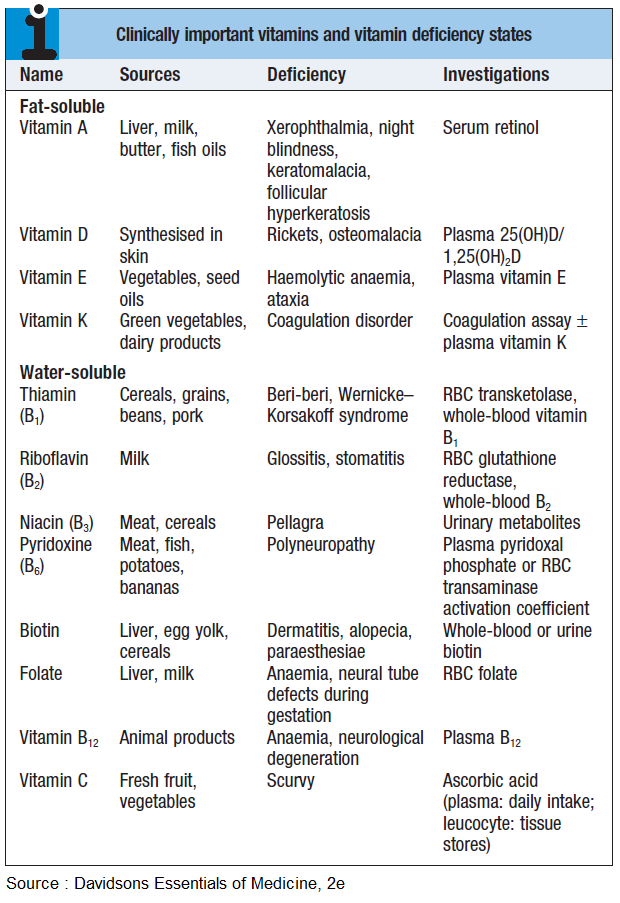
Vitamins are essential nutrients that play a crucial role in various bodily processes. They can be categorized into two main groups: hydrophilic (water-soluble) and lipophilic (fat-soluble). The hydrophilic group includes vitamins B and C, which dissolve in water and are excreted through sweat, urine, and feces. Lipophilic vitamins, such as A, D, E, and K, accumulate in fatty tissues and can lead to toxicity if consumed in excess.
Symptoms of Vitamin Deficiencies
Vitamin deficiencies can manifest in various ways, depending on the specific nutrient involved. Some common symptoms include:
- Anemia: A lack of vitamin B9 (folate) can lead to anemia, particularly in pregnant women.
- Osteoporosis: Inadequate vitamin D levels can weaken bones and increase the risk of osteoporosis.
- Vision problems: Vitamin A deficiency can cause blurred vision, dry eyes, and increased susceptibility to infections.
- Depression: A diet lacking essential vitamins, especially those in the B group, can contribute to depression, anxiety, and fatigue.
Consequences of Vitamin Deficiencies
Ignoring vitamin deficiencies can have severe consequences on our health. For instance:
- Immune system dysfunction: A lack of vitamin C can impair the immune system, making us more susceptible to illnesses.
- Skin problems: Insufficient vitamin B can lead to skin issues, such as acne, eczema, and psoriasis.
- Hair loss: Vitamin deficiencies, particularly those in the B and C groups, can cause hair loss, dryness, and brittleness.
Diagnosing Vitamin Deficiencies
To identify vitamin deficiencies, regular blood tests are necessary. These tests can detect specific nutrients in the bloodstream, helping healthcare professionals diagnose any potential gaps. Additionally, a balanced diet rich in whole foods can help prevent deficiencies.
Preventing Vitamin Deficiencies
To avoid vitamin deficiencies, follow these guidelines:
- Eat a diverse diet: Include a variety of fruits, vegetables, whole grains, and lean proteins to ensure adequate nutrient intake.
- Consult a healthcare professional: Regular check-ups with your doctor or registered dietitian can help identify potential deficiencies early on.
- Supplement wisely: If necessary, consult with a healthcare professional before taking vitamin supplements.
FAQs
- What are the most common vitamin deficiencies?
- Can vitamin deficiencies be treated with supplements?
- How often should I get blood tests to check for vitamin deficiencies?
- What foods are richest in essential vitamins?
- Can a vegetarian or vegan diet provide adequate nutrition?
Conclusion
Vitamin deficiencies can have severe consequences on our health, from anemia and osteoporosis to depression and hair loss. By understanding the types of vitamins, their functions, and symptoms of deficiency, we can take proactive steps to maintain optimal nutrition. Regular blood tests, a balanced diet, and wise supplementation can help prevent these micronutrient gaps.
Frequently Asked Questions
- What are the most common vitamin deficiencies?
Vitamin deficiencies can affect anyone, but some groups are more susceptible, such as pregnant women, vegetarians, vegans, and individuals with certain medical conditions. - Can vitamin deficiencies be treated with supplements?
Supplements can help fill nutrient gaps, but it’s essential to consult with a healthcare professional before taking any vitamins or supplements. - How often should I get blood tests to check for vitamin deficiencies?
Regular blood tests (every 1-2 years) can help identify potential deficiencies early on. However, your doctor may recommend more frequent testing if you have specific health concerns. - What foods are richest in essential vitamins?
Include a variety of whole foods in your diet to ensure adequate nutrient intake: - Leafy greens (vitamin C and K)
- Citrus fruits (vitamin C)
- Berries (vitamin C and B)
- Nuts and seeds (vitamin E and B)
- Fatty fish (vitamin D)
- Can a vegetarian or vegan diet provide adequate nutrition?
A well-planned vegetarian or vegan diet can provide all necessary nutrients, but it’s crucial to ensure adequate intake of essential vitamins, such as vitamin B12, iron, and omega-3 fatty acids.
Vitamin Deficiency Prevention Strategies
Preventing vitamin deficiencies requires a combination of healthy eating habits and regular monitoring. Here are some strategies to help you maintain optimal nutrition:
- Eat a rainbow: Include a variety of colorful fruits and vegetables in your diet to ensure adequate intake of essential vitamins and minerals.
- Incorporate whole grains: Whole grains, such as brown rice, quinoa, and whole wheat bread, provide fiber, vitamins, and minerals.
- Choose lean proteins: Opt for lean protein sources, like poultry, fish, and plant-based options, to ensure adequate intake of essential amino acids.
- Stay hydrated: Drink plenty of water throughout the day to maintain optimal hydration and prevent dehydration-related deficiencies.
Vitamin Deficiency Treatment Options
If you’re diagnosed with a vitamin deficiency, treatment options may include:
- Supplements: Taking supplements can help fill nutrient gaps, but it’s essential to consult with a healthcare professional before starting any supplements.
- Dietary changes: Making dietary changes can help prevent future deficiencies and maintain optimal nutrition.
- Vitamin injections: In some cases, vitamin injections may be necessary to treat severe deficiencies.
Conclusion
Maintaining optimal nutrition is crucial for overall health and well-being. By understanding the types of vitamins, their functions, and symptoms of deficiency, we can take proactive steps to prevent vitamin deficiencies. Regular blood tests, a balanced diet, and wise supplementation can help ensure adequate nutrient intake and maintain optimal nutrition.
Additional Resources
- National Institutes of Health (NIH): The NIH provides comprehensive information on vitamin deficiencies, including symptoms, diagnosis, treatment options, and prevention strategies.
- Academy of Nutrition and Dietetics: The Academy of Nutrition and Dietetics offers expert advice on maintaining a balanced diet and preventing vitamin deficiencies.
- Centers for Disease Control and Prevention (CDC): The CDC provides information on vitamin deficiencies, including symptoms, diagnosis, treatment options, and prevention strategies.
Final Thoughts
Vitamin deficiencies can have severe consequences on our health, from anemia and osteoporosis to depression and hair loss. By understanding the types of vitamins, their functions, and symptoms of deficiency, we can take proactive steps to maintain optimal nutrition. Regular blood tests, a balanced diet, and wise supplementation can help prevent these micronutrient gaps.
Stay Informed
Staying informed about vitamin deficiencies is essential for maintaining optimal nutrition. Here are some resources to help you stay up-to-date:
- Subscribe to reputable health publications: Stay informed about the latest research and developments in the field of nutrition and health.
- Attend health workshops and seminars: Learn from experts and stay updated on the latest strategies for preventing vitamin deficiencies.
- Join online communities: Connect with others who share your interest in nutrition and health, and learn from their experiences.
Take Control
Taking control of your nutrition is crucial for maintaining optimal health. Here are some tips to help you take charge:
- Keep a food diary: Track your food intake and identify areas where you can improve.
- Consult with a healthcare professional: Regular check-ups with your doctor or registered dietitian can help identify potential deficiencies early on.
- Stay hydrated: Drink plenty of water throughout the day to maintain optimal hydration and prevent dehydration-related deficiencies.
Maintain Optimal Nutrition
Maintaining optimal nutrition is crucial for overall health and well-being. By understanding the types of vitamins, their functions, and symptoms of deficiency, we can take proactive steps to prevent vitamin deficiencies. Regular blood tests, a balanced diet, and wise supplementation can help ensure adequate nutrient intake and maintain optimal nutrition.
Stay Healthy
Staying healthy requires a combination of healthy eating habits, regular monitoring, and wise supplementation. Here are some tips to help you stay healthy:
- Eat a balanced diet: Include a variety of whole foods in your diet to ensure adequate nutrient intake.
- Incorporate physical activity: Regular exercise can help prevent chronic diseases and maintain overall health.
- Stay hydrated: Drink plenty of water throughout the day to maintain optimal hydration and prevent dehydration-related deficiencies.
Conclusion
Maintaining optimal nutrition is crucial for overall health and well-being. By understanding the types of vitamins, their functions, and symptoms of deficiency, we can take proactive steps to prevent vitamin deficiencies. Regular blood tests, a balanced diet, and wise supplementation can help ensure adequate nutrient intake and maintain optimal nutrition.
Final Thoughts
Vitamin deficiencies can have severe consequences on our health, from anemia and osteoporosis to depression and hair loss. By understanding the types of vitamins, their functions, and symptoms of deficiency, we can take proactive steps to maintain optimal nutrition. Regular blood tests, a balanced diet, and wise supplementation can help prevent these micronutrient gaps.
Stay Informed
Staying informed about vitamin deficiencies is essential for maintaining optimal nutrition. Here are some resources to help you stay up-to-date:
- Subscribe to reputable health publications: Stay informed about the latest research and developments in the field of nutrition and health.
- Attend health workshops and seminars: Learn from experts and stay updated on the latest strategies for preventing vitamin deficiencies.
- Join online communities: Connect with others who share your interest in nutrition and health, and learn from their experiences.
Take Control
Taking control of your nutrition is crucial for maintaining optimal health. Here are some tips to help you take charge:
- Keep a food diary: Track your food intake and identify areas where you can improve.
- Consult with a healthcare professional: Regular check-ups with your doctor or registered dietitian can help identify potential deficiencies early on.
- Stay hydrated: Drink plenty of water throughout the day to maintain optimal hydration and prevent dehydration-related deficiencies.
Maintain Optimal Nutrition
Maintaining optimal nutrition is crucial for overall health and well-being. By understanding the types of vitamins, their functions, and symptoms of deficiency, we can take proactive steps to prevent vitamin deficiencies. Regular blood tests, a balanced diet, and wise supplementation can help ensure adequate nutrient intake and maintain optimal nutrition.
Stay Healthy
Staying healthy requires a combination of healthy eating habits, regular monitoring, and wise supplementation. Here are some tips to help you stay healthy:
- Eat a balanced diet: Include a variety of whole foods in your diet to ensure adequate nutrient intake.
- Incorporate physical activity: Regular exercise can help prevent chronic diseases and maintain overall health.
- Stay hydrated: Drink plenty of water throughout the day to maintain optimal hydration and prevent dehydration-related deficiencies.


