
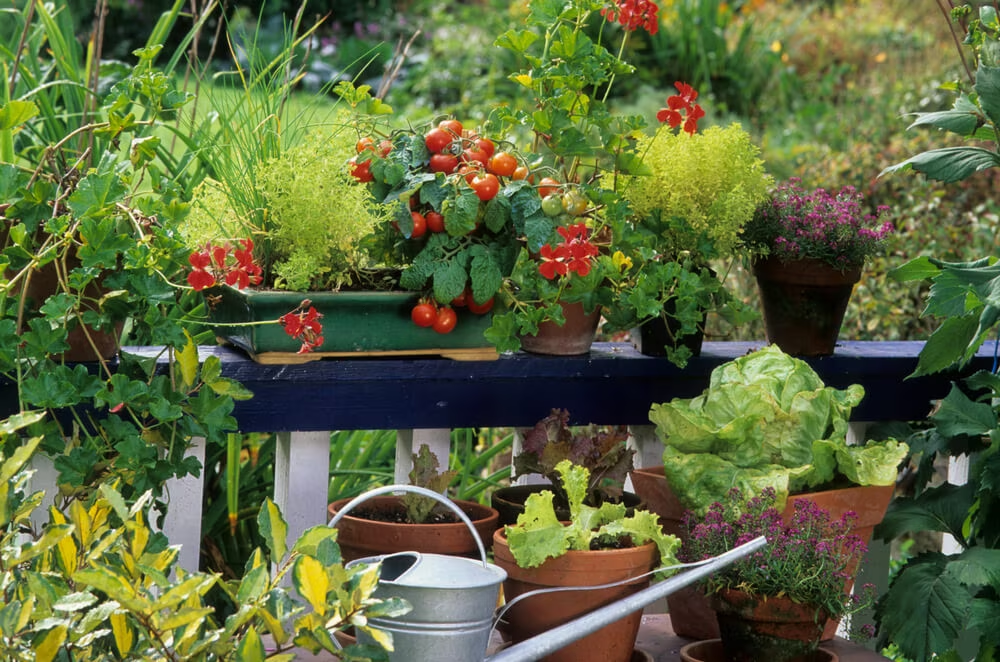
As any gardening enthusiast knows, growing vegetables doesn’t require a lot of space. In fact, many types of vegetables and fruits can be grown in containers, making them perfect for balcony gardens. With the right care and attention, you can turn your balcony into a lush oasis, complete with a vertical garden.
The Benefits of Vertical Gardening on Your Balcony
Before we dive into the specifics of growing vegetables and fruits on your balcony, let’s talk about the benefits of vertical gardening. Not only does it make the most of your space, but it also has several other advantages.
- It saves space: By growing upwards instead of outwards, you can fit more plants in a smaller area.
- It reduces fungal diseases: Because these plants aren’t touching the ground, they’re less likely to get fungal infections.
- It provides shade: Vertical gardens can block direct sunlight, creating a cooler and more shaded area on your balcony.
Popular Vegetables for Balcony Gardening
When it comes to choosing vegetables for your balcony garden, there are many options. Here are some popular choices:
- Leafy Greens: Lettuce, kale, spinach, arugula, and chard are all great choices for a vertical garden.
- Herbs: Basil, mint, cilantro, parsley, and dill are all easy to grow and can be used in a variety of dishes.
- Cherry Tomatoes: These small, bite-sized tomatoes are perfect for containers and can produce fruit in as little as 60 days.
- Peppers: Bell peppers and jalapenos are both great choices for vertical gardens and can add a pop of color to your balcony.
- Cucumbers: These versatile vegetables can be trained to climb up a trellis or left to trail down.
Popular Fruits for Balcony Gardening
In addition to vegetables, you can also grow a variety of fruits on your balcony. Here are some options:
- Strawberries: These sweet and juicy fruits are easy to grow in containers and can produce fruit in as little as 60 days.
- Blueberries: While they require slightly acidic soil, blueberries are worth the extra effort for their delicious flavor.
- Raspberries: These prickly fruits are easy to train on a trellis or left to trail down.
- Blackberries: Similar to raspberries, blackberries are easy to grow and can add a sweet touch to your balcony garden.
Tips for Growing Vegetables and Fruits on Your Balcony
When growing vegetables and fruits on your balcony, there are several things to keep in mind. Here are some tips:
- Make sure you choose varieties that are well-suited for vertical gardening.
- Use containers with good drainage to prevent waterlogged soil.
- Provide support for plants that need it (like tomatoes and peas).
- Keep the area around your plants clean and free of debris.
Creating a Vertical Garden on Your Balcony
To create a vertical garden on your balcony, you’ll need some basic supplies. Here’s what you’ll need:
- Containers with good drainage
- Potting mix
- Seeds or seedlings
- Support for plants (like trellises or cages)
- A watering can and fertilizer
Common Mistakes to Avoid When Growing Vegetables and Fruits on Your Balcony
When growing vegetables and fruits on your balcony, there are several mistakes to avoid. Here are some common mistakes:
- Not providing enough support for plants.
- Overwatering or underwatering the soil.
- Not pruning the plants regularly.
Conclusion
Growing vegetables and fruits on your balcony can be a fun and rewarding experience. With the right care and attention, you can create a lush oasis that’s perfect for relaxing and enjoying fresh produce. By choosing the right varieties, using the right supplies, and following some simple tips, you can create a thriving vertical garden that will provide you with delicious results all season long.
Frequently Asked Questions
Here are some frequently asked questions about growing vegetables and fruits on your balcony:
- Q: How much space do I need for a balcony garden?
A: The amount of space needed for a balcony garden depends on the size of the plants and how they’re arranged. Generally, you can fit 2-4 square feet of plants in a 10×10 foot balcony. - Q: What’s the best way to water my balcony garden?
A: Watering your balcony garden should be done carefully. Avoid overwatering, which can lead to fungal diseases and root rot. Instead, water when the soil feels dry to the touch, usually once or twice a week. -
Q: How often do I need to fertilize my balcony garden?
A: Fertilizing your balcony garden regularly will promote healthy growth and fruit production. Use a balanced fertilizer (e.g., 10-10-10) and follow the instructions on the label for application frequency. -
Q: Can I grow vegetables and fruits in a window box?
A: Yes, you can grow some types of vegetables and fruits in a window box, such as herbs like basil and mint. However, be aware that these plants will require more frequent watering and may not thrive as well as those grown on the balcony floor. - Q: What’s the best way to keep pests out of my balcony garden?
A: There are several ways to keep pests out of your balcony garden, including using physical barriers like fine-mesh screens or row covers, removing weeds and debris that can attract pests, and introducing beneficial insects like ladybugs.


