
Introduction
The Tibetan Mastiff, also known as the Do-khyi or Dogue du Tibet, is a rare and majestic breed that originated in the Himalayas. This ancient dog is not only impressive in appearance but also possesses a unique temperament and strong work ethic. In this article, we will delve into the history, characteristics, appearance, and life expectancy of the Tibetan Mastiff.
Origin
The Tibetan Mastiff’s origins are shrouded in mystery, but it is believed to have descended from the ancient Molosse breeds that inhabited Tibet over 2,000 years ago. Despite its isolated geographical location, the breed has managed to retain its unique characteristics, making it a fascinating subject of study.
According to historical records, the Tibetan Mastiff was bred by the Tibetan people as a working dog, tasked with guarding livestock and protecting villages from wild predators such as snow leopards and wolves. The breed’s origins are deeply rooted in the country’s rich cultural heritage, and its unique characteristics have been shaped by centuries of selective breeding.
Characteristics
The Tibetan Mastiff is known for its loyal and protective nature, making it an excellent guardian of families and property. Its size is imposing, with males reaching up to 66 cm in height and weighing between 64-80 kg. The breed’s distinctive features include its short, broad muzzle, large ears, and thick, woolly coat.
The Tibetan Mastiff’s temperament is also characterized by a strong work ethic and a natural guarding instinct. This makes it an excellent watchdog for homes with valuable assets or high security concerns. However, the breed’s protective nature can be challenging to manage, requiring experienced owners who are willing to invest time and effort into training and socialization.
Appearance
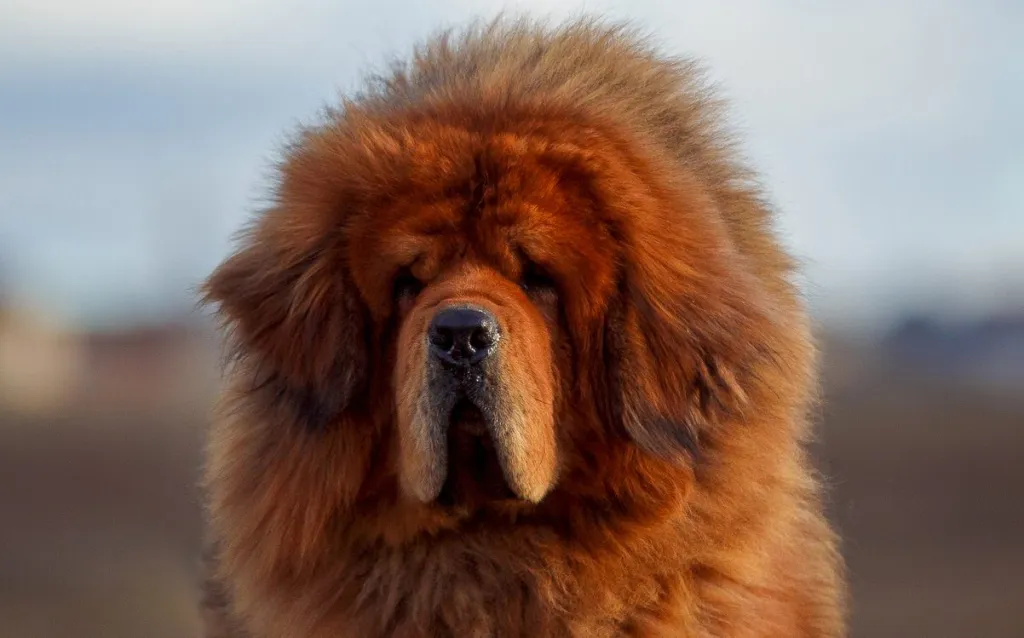
The Tibetan Mastiff’s appearance is a testament to its ancient heritage. Its short, dense coat can come in a variety of colors, including black, brown, and red, with white markings on the chest. The breed’s most distinctive feature, however, is its crinum, or “beard,” which gives it a lion-like appearance.
The Tibetan Mastiff’s fur is thick and double-layered, providing insulation against cold temperatures and harsh weather conditions. Its short coat requires minimal grooming, making it an ideal choice for owners who prefer a low-maintenance pet.
Weight
The Tibetan Mastiff’s weight range is between 64-80 kg, which may seem excessive to some, but the breed’s size is proportional to its muscle mass and bone structure. Proper nutrition and exercise are crucial for maintaining the breed’s health and well-being.
Overfeeding can lead to obesity, while inadequate exercise can result in joint problems and other health issues. Owners must strike a balance between providing enough calories and ensuring their pet receives regular physical activity to stay healthy and strong.
Allevamento and Life Expectancy
Historically, the Tibetan Mastiff was bred as a working dog, tasked with guarding livestock and protecting villages from wild predators. Today, the breed is primarily kept as a companion animal, but its strong work ethic and protective instincts make it an excellent watchdog.
The average lifespan of the Tibetan Mastiff is 14-15 years, with some individuals living up to 18 years or more with proper care and attention. However, the breed’s long lifespan can also increase the risk of age-related health issues such as hip dysplasia, arthritis, and certain types of cancer.
Price
The price of a Tibetan Mastiff can vary greatly, ranging from €1,300 to over €1.4 million, depending on factors such as lineage, color, and quality. The breed’s high value is due in part to its rarity and the increasing demand for exotic pets.
In addition to its price tag, owning a Tibetan Mastiff also comes with significant expenses related to food, veterinary care, and grooming. Owners must be prepared to invest time, money, and effort into providing their pet with the best possible life.
Conclusion
The Tibetan Mastiff is a unique and fascinating breed that has captured the hearts of many dog enthusiasts. Its loyal nature, impressive appearance, and strong work ethic make it an excellent companion animal, but proper care and attention are essential for maintaining its health and well-being.
With its rich history and cultural significance, the Tibetan Mastiff is a true gem among dog breeds. However, owning one requires a significant commitment of time, money, and effort. Before considering bringing a Tibetan Mastiff into your life, it’s essential to research the breed thoroughly, understand its needs and requirements, and ensure that you are prepared to provide the best possible care.
Frequently Asked Questions
- Q: What is the lifespan of a Tibetan Mastiff?
A: The average lifespan of a Tibetan Mastiff is 14-15 years. - Q: How much does a Tibetan Mastiff weigh?
A: The weight range for a Tibetan Mastiff is between 64-80 kg. - Q: What is the price of a Tibetan Mastiff?
A: The price of a Tibetan Mastiff can vary from €1,300 to over €1.4 million. - Q: Is the Tibetan Mastiff easy to train?
A: The Tibetan Mastiff is known for its strong will and independent nature, making training challenging but rewarding for experienced owners. - Q: Does the Tibetan Mastiff require a lot of exercise?
A: The Tibetan Mastiff requires regular exercise to maintain its physical health and mental well-being. - Q: Is the Tibetan Mastiff prone to any health issues?
A: The Tibetan Mastiff is generally a healthy breed, but it can be prone to hip dysplasia and other joint problems due to its large size. - Q: Can I get a Tibetan Mastiff as a pet?
A: Yes, the Tibetan Mastiff makes an excellent companion animal for experienced owners who are willing to provide proper care and attention. - Q: Is the Tibetan Mastiff recognized by kennel clubs worldwide?
A: The Tibetan Mastiff is recognized by several kennel clubs, including the FCI and the AKC.
Health Considerations
As with any breed, the Tibetan Mastiff is prone to certain health issues that can affect its quality of life. Some common health concerns include:
- Hip dysplasia: A genetic condition that affects the hip joint, leading to arthritis and mobility problems.
- Hypothyroidism: A condition where the thyroid gland does not produce enough hormones, leading to weight gain, skin problems, and other issues.
- Patellar luxation: A condition where the kneecap slips out of place, causing pain and discomfort.
Grooming
The Tibetan Mastiff’s short, dense coat requires minimal grooming. However, regular nail trimming, ear cleaning, and dental care are essential to maintain the breed’s overall health and well-being.
Exercise and Activity Level
The Tibetan Mastiff is a relatively sedentary breed, but it does require regular exercise to maintain its physical health and mental well-being. A daily walk or playtime in a securely fenced area can help keep the breed happy and healthy.
Tips for Owning a Tibetan Mastiff
- Provide adequate nutrition: The Tibetan Mastiff’s large size requires significant amounts of food to maintain its energy needs.
- Ensure regular exercise: Regular physical activity is essential for maintaining the breed’s physical health and mental well-being.
- Invest in quality veterinary care: Regular check-ups with a veterinarian can help identify potential health issues early on, ensuring that your pet receives proper care and attention.
- Provide mental stimulation: The Tibetan Mastiff’s strong work ethic and independent nature require mental stimulation to prevent boredom and destructive behavior.
By understanding the breed’s unique characteristics, needs, and requirements, owners can provide their Tibetan Mastiffs with a happy, healthy, and fulfilling life.


