
Introduction
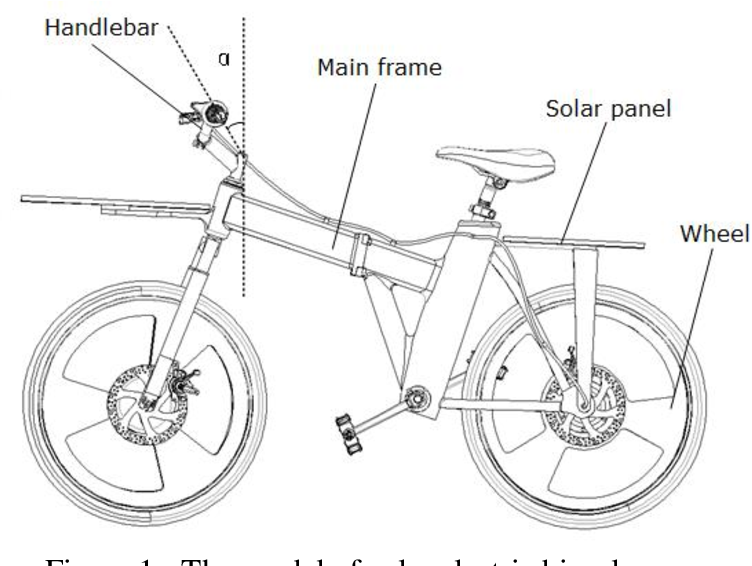
The sunbike is a solar-powered bicycle designed by Lorenzo Barbieri of Concordia (MO) that has gained attention for its unique features and potential. Without batteries, the sunbike can boast emission-free operation and lower maintenance costs compared to traditional bicycles. However, like any innovative product, it also comes with its own set of challenges and limitations.
In this article, we will delve into the world of solar-powered bicycles, exploring their benefits and drawbacks, testing procedures, and conclusions. We will also examine the design and functionality of the sunbike in detail.
The Birth of a Solar-Powered Bicycle
Lorenzo Barbieri’s journey began four to five years ago when he first encountered articles about solar-powered bicycles. Intrigued by the idea, he decided to dig deeper into the technology behind these innovative vehicles. However, his enthusiasm quickly turned to disappointment as he discovered that most solar-powered bicycles relied on batteries, which were often heavy and inefficient.
Barbieri’s motivation for creating a battery-free solar-powered bicycle stemmed from his desire to overcome the limitations of traditional bicycles. He wondered if it would be possible to harness the energy of the sun without relying on batteries. This led him to conduct extensive testing, focusing on various aspects such as motor efficiency, battery performance, and pannel photovoltaico functionality.
Testing Procedures
To better understand the potential of solar-powered bicycles, Barbieri conducted a series of tests on different components, including motors, batteries, and pannelli fotovoltaici. The goal was to determine the minimum power required for efficient operation and identify areas for improvement.
One key finding from these tests was that the minimum power needed for efficient operation is around 40 W at the wheel. This figure may seem relatively low, but it highlights the importance of optimizing motor efficiency and minimizing energy losses.
Barbieri also experimented with different types of batteries, including those with varying capacities and efficiencies. The results showed that some batteries could achieve high levels of performance, even surpassing expectations. However, others fell short, highlighting the need for more research in this area.
Design Considerations
When it comes to designing a solar-powered bicycle without batteries, several factors come into play. One crucial consideration is the choice of wheel size and type. A larger wheel with a lower gear ratio can help increase efficiency, but may also introduce stability issues.
Another important factor is the placement of pannelli fotovoltaici. Ideally, they should be positioned directly above the rider to maximize energy absorption while minimizing shading effects from nearby objects.
In terms of weight distribution, the sunbike’s design must ensure that the battery-free configuration does not compromise its overall balance and stability.
Vantaggi e Svantaggi
While the sunbike offers several benefits, it also has some significant drawbacks. Some of the advantages include:
- Emission-free operation
- Lower maintenance costs compared to traditional bicycles
- Potential for longer distances without needing to recharge
However, there are also some challenges associated with solar-powered bicycles, such as:
- Limited energy availability during periods of low sunlight or high temperatures
- The need for a large surface area of pannelli fotovoltaici to achieve optimal performance
- Increased weight due to the installation of additional components
Conclusion
In conclusion, while the sunbike represents an innovative and exciting approach to solar-powered transportation, it is not without its limitations. However, as technology continues to evolve, we can expect to see improvements in efficiency, cost-effectiveness, and overall performance.
As a cyclist and inventor, I believe that the sunbike has tremendous potential for enhancing our daily commutes while reducing our environmental footprint.
FAQs
- What is the minimum power required for efficient operation of a solar-powered bicycle?
- How do you optimize motor efficiency in a solar-powered bicycle?
- What are some common challenges associated with using pannelli fotovoltaici in a solar-powered bicycle?
- Can a solar-powered bicycle be used on hilly terrain?
- How does the placement of pannelli fotovoltaici affect energy absorption and stability?
- Are there any specific design considerations for ensuring weight distribution in a solar-powered bicycle?
- What are some potential applications for solar-powered bicycles beyond urban transportation?
- Can you share your thoughts on future developments and improvements for solar-powered bicycles?
Additional Resources
- Solar-Powered Bicycle Design: A Comprehensive Guide
- The Science of Solar Energy: Understanding the Basics of Pannel Photovoltaico
- The Benefits of Emission-Free Transportation: Exploring Alternative Fuel Sources


