
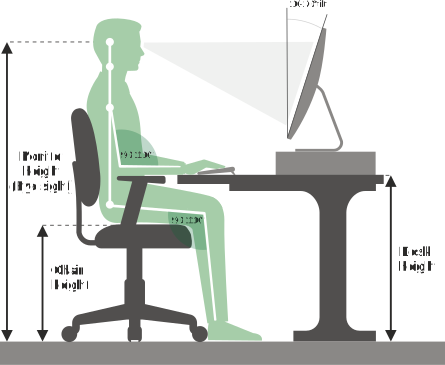
As we navigate our daily lives, it’s easy to overlook one crucial aspect: desk height. Many of us focus on selecting a stylish and affordable desk, without considering its impact on our posture and overall well-being. But what if I told you that choosing the right desk height can make all the difference in preventing back pain, improving productivity, and boosting your mood?
What is Desk Height and Why Matters
Desk height refers to the distance between the surface of the desk and the floor or ground. It’s essential to consider this factor because it directly affects our posture and comfort while working or studying. A desk that’s too high or too low can lead to discomfort, fatigue, and even long-term damage to your back.
The Ideal Desk Height
So, what is the ideal desk height? Research suggests that the average person should have their desk at a height of around 74 cm (29 inches) for optimal comfort. This allows for a neutral spine alignment, reducing pressure on your lower back and preventing strain on your muscles. However, it’s crucial to remember that this can vary depending on individual factors such as body type, age, and personal preferences.
Desk Height for Different Activities
While the ideal desk height is general, there are specific considerations for different activities:
- Studying: A slightly lower desk height (around 70-72 cm) is recommended to promote good posture and reduce eye strain. This can help improve focus and concentration, leading to better academic performance.
- Working: An adjustable desk can be beneficial, as it allows you to switch between sitting and standing throughout the day. This can help improve circulation, boost energy levels, and even increase productivity by up to 50%.
- Children’s Desks: For kids, a desk with adjustable height and an inclinable surface is perfect for promoting good posture and preventing back pain. This can help develop healthy habits from an early age.
The Risks of Incorrect Desk Height
If you’re not careful, incorrect desk height can lead to:
- Back Pain: Slouching or slumping while working can put unnecessary strain on your muscles and bones.
- Muscle Fatigue: Poor posture and discomfort can cause fatigue, leading to decreased productivity and overall well-being. This can even affect your mood, making you more prone to stress and anxiety.
Ergonomic Solutions
Fortunately, there are ergonomic solutions available to help you find the perfect desk height:
- Adjustable Desks: These allow you to adjust the height of your desk with ease, ensuring optimal comfort and support. This can be especially beneficial for those who spend long hours working or studying.
- Standing Desks: Standing desks can be an excellent option for those who spend long hours working or studying. They promote good posture, improve circulation, and even boost energy levels by allowing you to move around more freely.
Benefits of Using a Desk Height Correctly
Using a desk height correctly can have numerous benefits:
- Improved Posture: Good posture is essential for maintaining spinal alignment and reducing pressure on your muscles.
- Reduced Back Pain: By preventing strain on your lower back, you can reduce the risk of back pain and discomfort.
- Boosted Productivity: When you’re comfortable and focused, you can perform at a higher level, leading to increased productivity and better work quality.
Tips for Adjusting Your Desk Height
Adjusting your desk height can be simple once you understand the importance of doing so:
- Start by standing up straight and placing your monitor directly in front of you.
- Position your keyboard and mouse within easy reach, with your wrists straight and your elbows at a 90-degree angle.
- Adjust your chair height to ensure your feet are flat on the floor or resting on a footrest.
- Consider using a desk riser or standing desk converter to raise your desk and improve comfort.
Common Desk Height Mistakes
Some common mistakes can make it difficult to choose the right desk height:
- Not Considering Body Type: If you have a larger build, you may need a higher desk to accommodate your needs. Similarly, if you’re petite, a lower desk might be more suitable.
- Not Adjusting for Activities: Failing to consider different activities can lead to discomfort and fatigue. For example, if you spend most of your day sitting, you’ll want a lower desk to promote good posture.
Conclusion
Choosing the right desk height is a crucial aspect of maintaining good posture, preventing back pain, and boosting productivity. By understanding the ideal desk height, considering individual factors, and using ergonomic solutions, you can create a comfortable and supportive workspace that benefits your overall well-being.
Frequently Asked Questions
- What is the ideal desk height for adults?
- How often should I adjust my desk height?
- Can I use an adjustable desk for both sitting and standing?
- Are there any ergonomic benefits to using a standing desk?
- How can I prevent back pain caused by incorrect desk height?
These questions provide valuable insights into the importance of choosing the right desk height and offer practical tips for maintaining optimal comfort and support throughout the day.


