
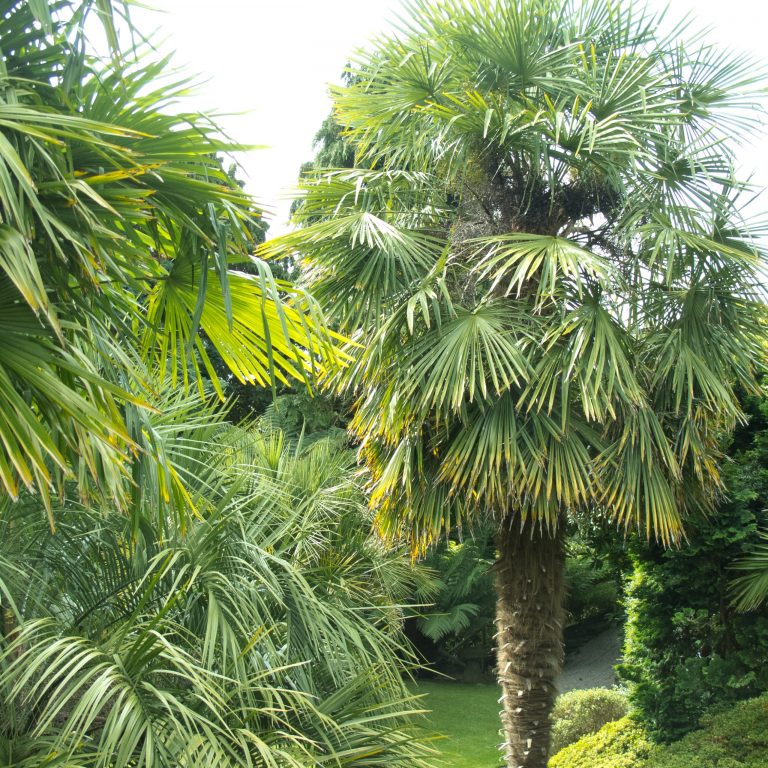
Growing palm trees in your garden can be a wonderful way to add some tropical flair to your outdoor space. With over 2,500 species of palms, there are countless options to choose from, each with its unique characteristics and needs. In this article, we’ll explore the best types of palm trees to grow in your garden, how to care for them, and provide expert tips on pruning and protecting your palms.
Understanding Palm Trees
Palm trees belong to the Arecaceae family and are native to tropical regions around the world. They’re incredibly resilient and can thrive in a variety of conditions, making them perfect for gardeners in cooler climates. With proper care, palm trees can grow up to 15 meters tall and provide shade, beauty, and even fruit (in some cases).
Palm trees have adapted to their environments over millions of years, developing unique features such as:
- Deep roots: Palm trees have extensive root systems that allow them to absorb water and nutrients from deep within the soil.
- Waxy leaves: The leaves of palm trees are often covered in a waxy coating that helps to prevent water loss and protects against pests.
- Trunk structure: Many palm species develop unique trunk structures, such as trunks with thick, woody bark or feathery foliage.
Choosing the Right Palm Tree
When selecting a palm tree for your garden, consider factors like climate, soil type, and sunlight exposure. Here are three popular types of palms that do well in different regions:
1. Canary Island Date Palm (Phoenix canariensis)
This majestic palm tree is native to the Canary Islands and is known for its striking 5-meter-long leaves and impressive height of up to 15 meters. While it’s relatively cold-hardy, it still requires protection from extreme temperatures.
Key Features:
- Cold hardiness: moderate (can tolerate temperatures around -2°C)
- Soil requirements: well-draining
- Sunlight exposure: full sun
2. Dated Palm (Phoenix dactylifera)
Also known as the palmyra palm, this species is native to the Middle East and India. It’s perfect for warm climates, but it won’t thrive in cooler temperatures.
Key Features:
- Cold hardiness: poor (can’t tolerate temperatures below 10°C)
- Soil requirements: well-draining
- Sunlight exposure: full sun
3. Chinese Fan Palm (Corypha umbraculifera)
This stunning palm tree is native to the tropical forests of Asia and is known for its striking fan-shaped leaves.
Key Features:
- Cold hardiness: moderate (can tolerate temperatures around 5°C)
- Soil requirements: well-draining
- Sunlight exposure: full sun
4. California Fan Palm (Washingtonia filifera)
This beautiful palm tree is native to the southwestern United States and is known for its slender trunk and feathery leaves.
Key Features:
- Cold hardiness: good (can tolerate temperatures around -8°C)
- Soil requirements: well-draining
- Sunlight exposure: full sun
5. Areca Palm (Dypsis lutescens)
This popular palm tree is native to Madagascar and is known for its bright yellow leaves.
Key Features:
- Cold hardiness: poor (can’t tolerate temperatures below 10°C)
- Soil requirements: well-draining
- Sunlight exposure: partial shade
Growing Palm Trees in Your Garden
Growing palm trees in your garden can be a straightforward process if you follow some simple steps:
- Choose the right palm tree species for your climate and soil type.
- Plant the palm tree in well-draining soil with full sun to partial shade.
- Water regularly, but avoid overwatering.
- Fertilize annually with a balanced fertilizer.
- Prune regularly to maintain shape and promote healthy growth.
Tips for Growing Palm Trees
Here are some additional tips to help you grow a thriving palm garden:
- Soil preparation: Before planting, prepare the soil by mixing in organic matter like compost or manure to improve drainage and fertility.
- Watering schedule: Water your palms regularly, but avoid overwatering. Check the soil moisture by inserting your finger into the soil up to the knuckle.
- Fertilization: Fertilize annually with a balanced fertilizer during the growing season (spring-fall). Use a slow-release fertilizer to minimize nutrient leaching.
- Pest and disease management: Regularly inspect your palms for pests or diseases like spider mites, mealybugs, and root rot. Use integrated pest management techniques to address these problems.
Pruning and Protecting Your Palms
To keep your palms healthy and thriving, regular pruning is essential. Here are some tips:
- Remove dead or damaged leaves: Regularly remove dead or damaged leaves to prevent disease and pests.
- Trim back tall stems: Trim back tall stems to maintain a balanced structure and promote healthy growth.
- Use protective measures: During harsh winter months, use protective measures like windbreaks or row covers to shield your palms from extreme temperatures.
Frequently Asked Questions
Here are some common questions about growing palm trees in your garden:
Q: Can I grow palms in my garden if I live in a cold climate?
A: Yes, but choose species that are tolerant of cooler temperatures. Some palm species can tolerate temperatures as low as -10°C (14°F), while others may require protection from extreme cold.
Q: How often should I water my palms?
A: Water regularly, but avoid overwatering. Check the soil moisture by inserting your finger into the soil up to the knuckle.
Q: Can I grow palms indoors?
A: Some palm species can thrive indoors, but most prefer bright, indirect light and warm temperatures. Choose a species that is well-suited for indoor growing conditions.
Q: How often should I fertilize my palms?
A: Fertilize annually with a balanced fertilizer during the growing season (spring-fall). Use a slow-release fertilizer to minimize nutrient leaching.
Q: Can I propagate palm trees from cuttings or seeds?
A: Yes, but propagation methods can vary depending on the species. Research specific techniques for your chosen palm tree.
Q: Are there any pests or diseases that affect palms?
A: Yes, some common issues include spider mites, mealybugs, and root rot. Use integrated pest management techniques to address these problems.
Q: Can I grow palms in containers?
A: Yes, but choose species that are compact or dwarf varieties. Make sure the container is large enough to accommodate the mature size of the palm tree.
Q: How long do palm trees typically live?
A: Palm trees can live for many decades, with some species known to reach ages of over 100 years.
By following these guidelines and tips, you’ll be well on your way to growing a thriving and beautiful palm garden in your outdoor space. Happy gardening!


