
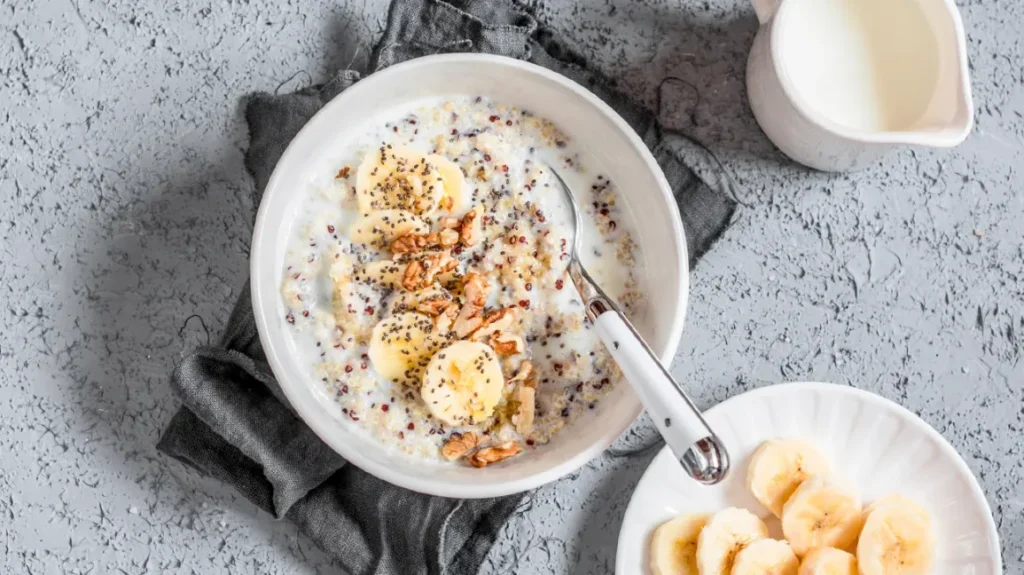
Food poisoning can be a distressing experience, and it’s natural to wonder what you should eat after the initial symptoms have subsided. In this article, we’ll explore the best foods to consume when recovering from food poisoning, as well as some general tips for preventing future episodes.
Understanding Food Poisoning
Food poisoning is a common condition that occurs when food is contaminated with bacteria, viruses, or other pathogens. These contaminants can cause symptoms such as nausea, vomiting, diarrhea, and abdominal pain. In severe cases, food poisoning can lead to dehydration, electrolyte imbalance, and even life-threatening complications.
Symptoms of Food Poisoning
The symptoms of food poisoning can vary depending on the type of contaminant and the individual’s sensitivity. Common symptoms include:
- Nausea and vomiting
- Diarrhea or abdominal pain
- Fever and chills
- Headache and fatigue
- Dehydration (in severe cases)
If you experience any of these symptoms, it’s essential to seek medical attention immediately.
When Can You Eat After Food Poisoning?
The timing of when you can eat after food poisoning depends on the severity of your symptoms and the type of contaminant. Generally, you should wait until:
- Your stomach has had time to rest and recover (usually 24-48 hours)
- Your diarrhea has subsided
- You’re no longer experiencing vomiting or abdominal pain
- You’ve rehydrated adequately with water, electrolyte-rich drinks, or oral rehydration solutions
It’s also important to note that some foods may be more suitable for you at different stages of recovery. For example, if you’re experiencing severe diarrhea, you may want to start with bland, easily digestible foods like bananas, rice, and applesauce.
What Foods Are Safe to Eat After Food Poisoning?
Once you’ve met the above criteria, it’s essential to choose gentle, easily digestible foods that won’t exacerbate your symptoms. Here are some examples:
- Bananas: Rich in potassium, bananas can help replace lost electrolytes.
- Rice: Plain white or brown rice is a good source of carbohydrates and can be easy on the stomach.
- Applesauce: A bland, easily digestible fruit that’s rich in fiber and water content.
- Toast (BRAT diet): White bread toast can be helpful for soothing an upset stomach.
- Plain crackers: Crackers are another gentle option for those with food poisoning.
- Boiled vegetables or fruits: These foods are easy to digest and can provide essential vitamins and minerals.
Avoid fatty, greasy, or spicy foods, as they can be difficult to digest and may trigger further symptoms. Some examples of foods to avoid include:
- Fried foods: Can exacerbate dehydration and electrolyte imbalance.
- Spicy foods: May irritate the stomach lining and worsen symptoms.
- Citrus fruits: Can cause heartburn and acid reflux in some individuals.
Foods to Avoid After Food Poisoning
In the initial stages of food poisoning, it’s best to avoid foods that:
- Are high in fat (like fried foods)
- Contain spicy seasonings
- Can cause heartburn or acid reflux
- May irritate your stomach lining (like citrus fruits)
Some specific examples of foods to avoid include:
- Raw or undercooked eggs: May contain Salmonella bacteria.
- Unpasteurized dairy products: Can contain E. coli or other pathogens.
- Fresh vegetables that may be contaminated with E. coli or other pathogens.
Preventing Future Episodes
To minimize the risk of food poisoning in the future, follow these simple guidelines:
- Wash your hands thoroughly before handling food
- Clean and sanitize surfaces, utensils, and equipment regularly
- Store food at safe temperatures (below 40°F or above 140°F)
- Cook food to recommended internal temperatures
- Reheat cooked foods to a minimum of 165°F
By following these guidelines, you can significantly reduce your risk of getting food poisoning in the future.
Frequently Asked Questions
Here are some answers to common questions about food poisoning:
Q: Can I eat after an episode of diarrhea?
A: Yes, but wait until your symptoms have subsided and you’re no longer experiencing diarrhea or abdominal pain. It’s also a good idea to start with bland, easily digestible foods like bananas, rice, and applesauce.
Q: What foods should I avoid when recovering from food poisoning?
A: Avoid fatty, greasy, spicy, or irritating foods that can exacerbate symptoms. Some examples include fried foods, citrus fruits, and raw eggs.
Q: Can I drink water if I’m experiencing dehydration?
A: Yes, but consider using an oral rehydration solution or electrolyte-rich drinks to replenish lost salts and minerals.
Q: How long should I wait before eating after food poisoning?
A: Wait until your stomach has rested, diarrhea has subsided, and you’re no longer experiencing vomiting or abdominal pain. The exact waiting period will depend on the individual’s symptoms and the type of contaminant.
Q: Can food poisoning be prevented through diet?
A: While a balanced diet can help support immune function, it’s not a foolproof way to prevent food poisoning. Focus on good hygiene practices and cooking techniques instead.
Q: What are the signs of dehydration in adults?
A: Signs include excessive thirst, dark urine, decreased urine output, dizziness or lightheadedness, and weakness.
Q: Can I give medication to someone with food poisoning?
A: Only under medical supervision. Antidiarrheal medications may be prescribed to reduce the frequency of bowel movements, but they should not be given without consulting a doctor first.
Additional Tips for Managing Food Poisoning
In addition to choosing gentle foods and following prevention guidelines, here are some additional tips for managing food poisoning:
- Stay hydrated: Drink plenty of water, electrolyte-rich drinks, or oral rehydration solutions to replenish lost salts and minerals.
- Rest: Get plenty of rest and avoid strenuous activities that can exacerbate symptoms.
- Avoid solid foods until you’ve rehydrated adequately: If you’re experiencing severe dehydration, it’s best to stick with fluids for the first 24 hours.
- Monitor your symptoms: Keep track of any changes in your symptoms and seek medical attention if they worsen or persist.
Conclusion
Food poisoning can be a distressing experience, but with proper care and attention, most people can recover from its symptoms. By following these guidelines, you can minimize the risk of food poisoning in the future and manage its symptoms effectively. Remember to choose gentle foods, stay hydrated, rest, and monitor your symptoms closely.
If you’re experiencing severe or persistent symptoms, seek medical attention immediately. With proper care and treatment, you’ll be back on track in no time.
Additional Resources
For more information on food poisoning and managing its symptoms, consult the following resources:
- Centers for Disease Control and Prevention (CDC): Offers guidance on preventing and treating food poisoning.
- American Academy of Family Physicians (AAFP): Provides tips for managing food poisoning and preventing future episodes.
- Mayo Clinic: Offers comprehensive information on food poisoning, including symptoms, treatment options, and prevention strategies.
By following these guidelines and consulting reputable sources, you’ll be better equipped to handle food poisoning and prevent future episodes.


