
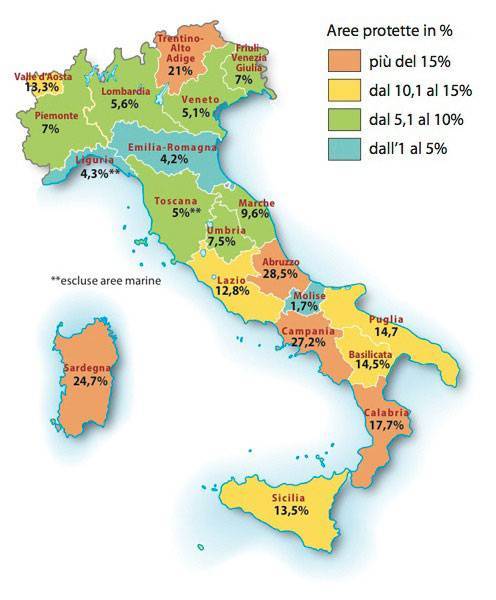
Italy is renowned for its rich cultural heritage and natural beauty, boasting an incredible array of archaeological sites, fauna, and flora. As a result, the country faces a pressing need to protect its biodiversity through an exclusive conservation strategy. The preservation of Italy’s natural capital is essential not only for the well-being of its citizens but also for ensuring the sustainability of its economy and cultural identity.
The Italian government has been at the forefront in addressing this issue, publishing a report titled “Parks: The Natural Capital of Italy”. This study examines the environmental capital of 23 protected areas and highlights the immense biodiversity present on Italian soil. With an estimated 56,000 living species, Italy is home to 98% insects and other invertebrates, as well as 118 mammal species. This report serves as a comprehensive guide for nature enthusiasts, taxonomists, and photographers looking to capture specific species or vegetation.
The Importance of National Parks
National parks are designated protected areas that play a crucial role in preserving biodiversity and mitigating climate change. Italy is home to numerous national parks, each with its unique features and ecosystems. Some of the most notable national parks include:
- Gran Paradiso National Park: Located in the Aosta Valley region, this park is known for its stunning mountain scenery and diverse wildlife.
- Abruzzo National Park: Situated in the Abruzzo region, this park is home to a variety of plant species, including the iconic beech tree.
- Laguna Veneta Natural Park: Located on the Adriatic coast, this park is a haven for birdwatchers and nature enthusiasts.
Italian forests play a vital role in mitigating climate change and have a strategic function when it comes to managing water resources. The reduction of landslide risks and limiting soil cementation phenomena are just two examples of the importance of these ecosystems. Forests help regulate the carbon cycle by absorbing CO2 from the atmosphere, thereby reducing greenhouse gas emissions.
The Report: A Comprehensive Overview
Published by the Ministry of Environment, this report represents an exhaustive census of Italy’s natural state. It serves as an excellent guide for nature enthusiasts, taxonomists, and photographers looking to capture specific species or vegetation.
Corrado Clini, the report’s presenter, highlights the significance of this publication in the context of Italy’s National Strategy for Biodiversity: “In line with our national strategy, a ‘sustainable environmental accounting’ system has been established within protected areas. The outcome is substantial: Italian parks are representative of the country’s unique natural wealth and demonstrate concrete conservation and preservation efforts, surpassing those of non-protected areas. This achievement is particularly important in light of climate change challenges, which demand enhanced resilience in natural systems. Moreover, it highlights the need for a more efficient utilization of Italy’s natural resources.”
The Economic Imperative
As we navigate the complexities of climate change and economic crises, it has become clear that adopting new models based on sustainable resource management is essential. Italian national parks represent the country’s ‘fuel’, emphasizing the importance of preserving these ecosystems.
Meanwhile, in the world of finance, funding remains focused on Mediterranean exploration and the fragile Stivale region.
To explore this topic further, please read our article, “Petrolio in Italia”.
Conclusion
In conclusion, Italy’s natural capital is a vital component of the country’s heritage. National parks play a crucial role in preserving biodiversity and mitigating climate change, making conservation efforts essential for the long-term well-being of both humans and the environment.
By adopting sustainable resource management models and preserving its natural capital, Italy can ensure a bright future for its citizens, economy, and cultural identity.
Frequently Asked Questions (FAQs)
- What are Italy’s national parks?
Italian national parks are protected areas designated to preserve the country’s natural beauty and biodiversity. - Why is biodiversity protection crucial in Italy?
Biodiversity plays a vital role in maintaining ecological balance, supporting climate regulation, and ensuring sustainable economic development. - How do Italian forests contribute to climate change mitigation?
Forests help regulate the carbon cycle by absorbing CO2 from the atmosphere, thereby reducing greenhouse gas emissions. - What is Corrado Clini’s perspective on Italy’s national parks?
Clini emphasizes that national parks serve as representative ecosystems for Italy and demonstrate concrete conservation efforts. - Why are Italian national parks essential for resilience in the face of climate change?
National parks provide habitats for a wide variety of plant and animal species, contributing to overall ecosystem health and resilience. - What models should be adopted to promote sustainable resource management in Italy?
New models focusing on efficient use of natural resources are needed to address the country’s economic crises while preserving biodiversity. - How can Italian national parks contribute to the economic development of the region?
By supporting local tourism, promoting sustainable agriculture, and providing ecosystem services such as carbon sequestration, national parks play a vital role in regional economic growth. - What challenges do Italian national parks face in terms of funding?
Funding for national park management remains a challenge, with efforts focusing on the Mediterranean region and fragile ecosystems like the Stivale.
By understanding the importance of Italy’s natural capital and the role that national parks play in preserving biodiversity, we can work towards creating a more sustainable future for this incredible country.


