
As we go about our daily lives, it’s easy to get caught up in the hustle and bustle of cooking and eating without giving much thought to the shelf life of our food. But what exactly does “shelf life” mean, and how can we ensure that we’re not wasting good food? In this article, we’ll explore the ins and outs of shelf life, including the different types of labels you may see on packaged foods and how to determine if your food is still safe to eat.
The Importance of Shelf Life
Shelf life refers to the amount of time a product can be stored without significant loss of quality or safety. It’s an important concept for consumers because it helps us make informed decisions about which foods to buy and when to use them up. But what happens if we don’t follow the recommended shelf life, and our food goes bad?
When we consume expired or spoiled food, we’re not just wasting our money; we’re also risking our health. Foodborne illnesses can be serious and even life-threatening, especially for vulnerable populations like the elderly, young children, and people with compromised immune systems.
Types of Labels: Understanding the Different Terms
When you’re shopping for packaged food, you may come across a variety of labels that claim to tell you how long the product will last. But what do these terms really mean? Here are some common labels you’ll see:
- “Date of Manufacture” (or “Best By”): This label indicates when the manufacturer thinks the product is at its best quality. It doesn’t necessarily mean that it’s safe to eat after this date.
- “Best If Used By”: Similar to the previous term, this label suggests that the product will be at its best quality if used by a certain date.
- “Use By” or “Consumption Date”: This label is more specific and indicates when the product must be consumed for it to be safe to eat.
It’s worth noting that some products may not have explicit labels, and that doesn’t mean they’re not supposed to be consumed. In fact, many foods can still be safely eaten long after their labeled shelf life has expired.
Understanding the Types of Products: What’s Considered Perishable
Certain types of food are considered perishable and must be handled with care. These include:
- Fresh meat: This includes beef, pork, chicken, and fish.
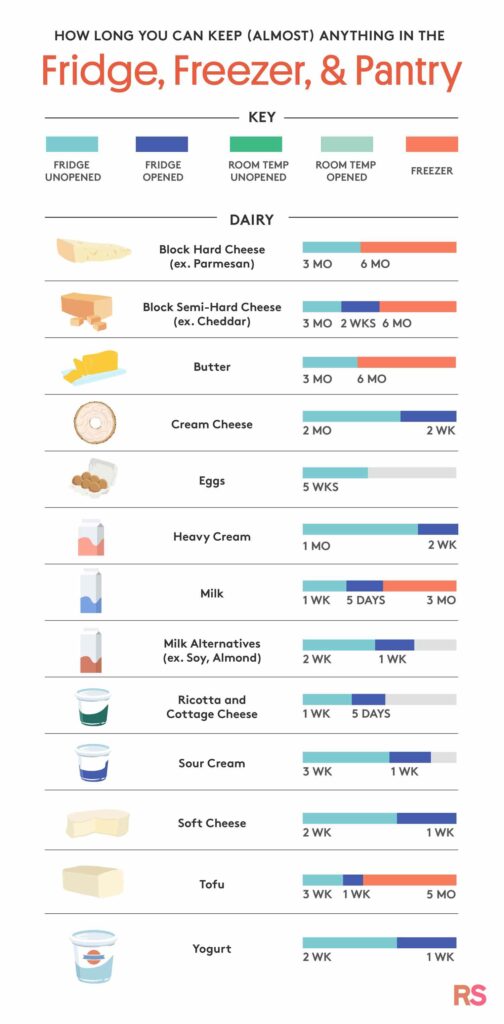
- Dairy products: Milk, cheese, yogurt, and eggs are all high-risk foods that require careful handling.
- Fresh produce: Fresh fruits and vegetables can spoil quickly if not stored properly.
These types of food must be refrigerated or frozen at a certain temperature to prevent bacterial growth and spoilage. If you don’t follow proper storage procedures, the risk of foodborne illness increases significantly.
Categorizing Food Based on Shelf Life
Food products are categorized based on their shelf life:
- Short-shelf-life products: These include meat, dairy, and produce that must be consumed within a few days.
- Medium-shelf-life products: Canned goods, pasta sauce, and other processed foods fall into this category. They can be stored for several weeks to months but may lose quality over time.
- Long-shelf-life products: Rice, beans, grains, and canned goods that have been sterilized through heat or pressure are examples of long-shelf-life products.
Understanding the Shelf Life of Canned Goods
Canned foods are often perceived as being indefinitely shelf-stable, but this isn’t always the case. While cans can be sealed for a very long time without spoiling, they can still deteriorate over time. Here’s what you need to know:
- Sealing and sealing failure: Cans can become damaged or lose their seal if exposed to extreme temperatures, pressure changes, or physical damage.
- Rust or corrosion: If the can’s coating is compromised, rust or corrosion can occur, leading to the release of toxic substances into your food.
- Food spoilage: Even if a can remains sealed, its contents may still degrade over time. This is especially true for acidic foods like tomatoes and citrus fruits.
Understanding the Shelf Life of Bottled Water
Bottled water is often perceived as being virtually shelf-stable, but this isn’t always the case. Here’s what you need to know:
- Taste and quality: Over time, bottled water can take on a distinctive taste or odor due to the natural processes that occur within it.
- Storage conditions: Bottled water should be stored in a cool, dry place away from direct sunlight to prevent degradation.
Understanding the Shelf Life of Other Foods
In addition to meat, dairy, produce, canned goods, and bottled water, there are many other foods that have specific shelf life considerations. Here’s what you need to know:
- Grains: Rice, pasta, and other grains can be stored for a relatively long time, but it’s still important to check their quality before consuming them.
- Nuts and seeds: Many nuts and seeds are high-risk foods that require careful handling due to their high oil content and potential for spoilage.
- Spices: Most spices are shelf-stable, but some may lose their flavor or potency over time.


