
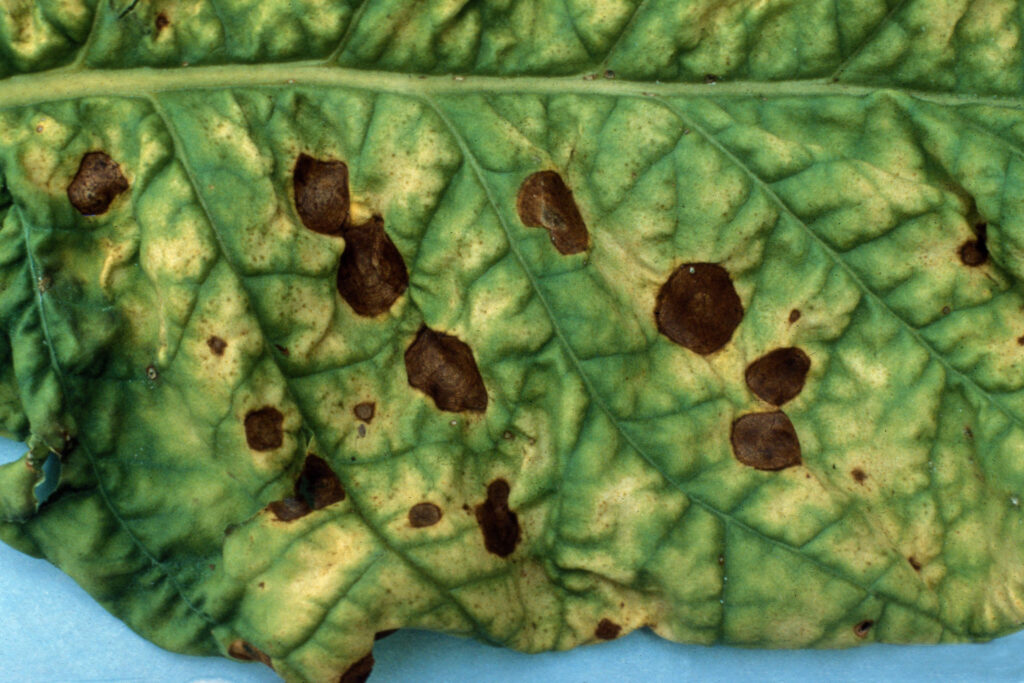
As a common problem for both humans and plants, Alternaria Alternata is a fungus that can be found in home gardens and must be tackled with the right methods to preserve human health and plant integrity. In this article, we will explore what Alternaria Alternata is, its effects on different crops, how to identify it, and most importantly, how to combat it.
Understanding Alternaria Alternata
Alternaria Alternata is a type of fungus that affects plants, causing the formation of yellow or green mold on fruits and vegetables. There are two main categories of fungi within this group: parasites and saprophytes. Parasites feed on the host plant’s nutrients while saprophytes break down dead organic matter. The Alternaria Alternata fungus falls under the parasite category.
The Effects of Alternaria Alternata on Crops
Alternaria Alternata is particularly damaging to crops like broccoli, carrots, cauliflower, cabbage, apples, and pears. When it attacks leaves, fruits, or vegetables, it causes small lesions that can transform into larger necrotic spots covered in greenish-brown mold. If left unchecked, this fungus can lead to plant death or withering.
Identifying Alternaria Alternata
To identify the presence of Alternaria Alternata on your plants, look for:
- Small lesions (about 2mm) on leaves, stems, or fruits
- Lesions that turn into necrotic spots covered in greenish-brown mold
- Presence of spores on affected areas
The fungus thrives in humid environments with temperatures between 18°C and 32°C. It is most active during the late summer to early autumn months when humidity levels are high.
Combating Alternaria Alternata
Prevention is key to avoiding significant damage from this fungus. Here are some methods to combat Alternaria Alternata:
- Rotate crops: Crop rotation can help reduce fungal spore dispersal.
- Use copper-based fungicides: Copper compounds have been shown to be effective against Alternaria Alternata.
- Apply equiseto macerates: Equisetum, a plant that inhibits fungal growth, can be used as a natural fungicide.
- Avoid using wet leaf litter: Keeping the area around your plants dry reduces humidity levels.
- Limit irrigation: Reducing water exposure on plants decreases the risk of infection.
Protecting Human Health
Alternaria Alternata can cause severe allergic reactions in humans, including:
- Respiratory issues
- Skin problems
- Eye irritation
To protect yourself from this fungus, follow these guidelines:
- Regularly clean and disinfect surfaces
- Store food properly to prevent mold growth
- Use a dehumidifier to maintain a healthy indoor humidity level
Controlling Spore Dispersal
Spores of Alternaria Alternata are easily carried by the wind. To minimize their spread, follow these steps:
- Keep plants at least 3 feet away: This distance will reduce spore dispersal.
- Remove weeds and debris: Regularly clear your garden area to prevent spores from accumulating.
- Use a fan or blower: Set up a fan or blower on high speed for an hour to blow away any remaining spores.
Copper-Based Fungicides
Copper-based fungicides are often used against Alternaria Alternata due to their effectiveness in controlling fungal growth. Here’s how you can apply them:
- Mix copper sulfate: Copper sulfate is a common fungicide that can be mixed with water.
- Dilute solution: Mix the copper sulfate with water according to the product instructions.
- Apply directly on affected areas: Spray or pour the diluted solution directly onto the lesions and surrounding areas.
Natural Fungicides
For those looking for a natural alternative, equiseto macerates can be used as a fungicide:
- Equisetum extract: Equisetum is a plant that has been shown to inhibit fungal growth.
- Mix with water: Combine the equiseto extract with water according to the product instructions.
- Apply directly on affected areas: Spray or pour the solution onto the lesions and surrounding areas.
Using Equisetum
Equisetum can be used as a natural fungicide:
- Plant equiseto near affected plants: Equisetum has been shown to inhibit fungal growth when planted near affected plants.
- Mulch around plants: Mulching with equiseto can help reduce humidity levels and prevent spore dispersal.
Maintaining Healthy Humidity Levels
Alternaria Alternata thrives in humid environments. To maintain healthy humidity levels, follow these tips:
- Use a dehumidifier: Dehumidifiers can help maintain a healthy indoor humidity level.
- Increase ventilation: Regularly increase air circulation to reduce humidity levels.
Limiting Irrigation
Excessive irrigation can lead to plant death due to fungal growth. To limit irrigation, follow these guidelines:
- Check soil moisture: Check the soil regularly for signs of moisture.
- Water plants in the morning: Watering plants in the morning helps prevent fungal growth during the night.
Crop Selection
When choosing crops to grow, consider those that are less susceptible to Alternaria Alternata:
- Peppers
- Tomatoes
- Corn


