
As we’ve discussed before, indoor plants are an excellent way to decorate your home naturally, purify the air, and revitalize the environment. When deciding to buy an indoor plant, there are several factors to consider. So, how much time can you dedicate to its care? Can technology really help with that?
Understanding the Importance of Plant Care
While automation can simplify some tasks like irrigation and fertilization, a minimum level of care is always necessary for your plant’s well-being.
Factors to Consider When Choosing an Indoor Plant
Before making a decision, think about how much time you can commit to caring for your plant. Do you have the means to invest in an automated system for watering and fertilizing? Or will you need to dedicate some time each day?
Some options include:
- Self-watering pots: These containers allow plants to absorb water as needed, reducing the risk of overwatering.
- Fertilizer dispensers: Automated systems that release nutrients at set intervals.
Types of Plants: Do They Suit Your Lifestyle?
When choosing a plant, consider whether it thrives in:
- Shaded environments: Some plants prefer indirect light or full shade. Research which plants are best suited to these conditions.
- Bright sunlight: Other plants require direct sunlight for optimal growth.
Consider the following types of plants:
- Ferns and peace lilies: These plants excel in low-light conditions.
- Snake plants and spider plants: They can tolerate a range of light levels, from bright to shaded.
The Truth About Succulents
While succulents are often thought to require minimal care, they still need attention. In fact, neglecting their needs can lead to problems like root rot and pest infestations.
To keep your succulent happy, ensure you:
- Water carefully: Avoid overwatering, as this can be detrimental.
- Provide good air circulation: This helps prevent fungal diseases.
Staying Up-to-Date with the Latest Plant Trends
If you like to stay on top of the latest plant trends and want to try something new, there are many exciting options available. From unique shapes and sizes to innovative growing systems, there’s always something fresh to discover.
Some popular types of plants include:
- Air plants: Epiphytes that thrive in bright, indirect light.
- Pothos and philodendrons: Versatile plants that can grow in a range of conditions.
Top 5 Indoor Plants That Are Must-Haves
Here are the top 5 indoor plants that every home should consider:
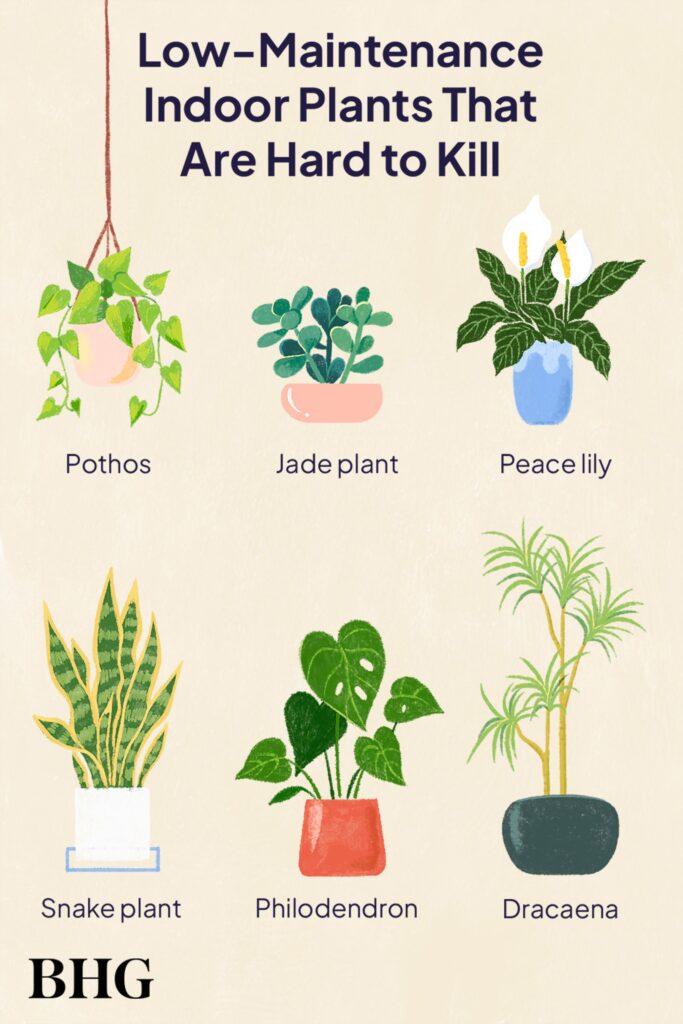
- Snake plant (Sansevieria Trifasciata): A low-maintenance option that tolerates a range of light levels.
- Spider plant (Chlorophytum comosum): Easy to care for and great for beginners.
- Pothos (Epipremnum aureum): A versatile plant that can thrive in various conditions.
- Peace lily (Spathiphyllum wallisii): A beautiful plant with elegant white blooms.
- Dracaena (Dracaena spp.): A popular choice for its ability to tolerate low light.
The Most Beautiful Indoor Plants With Flowers
If you want to add a pop of color to your space, consider these stunning indoor plants that produce flowers:
- Orchids: Exotic and elegant, orchids are perfect for adding a touch of sophistication.
- Gerbera daisies: Bright and cheerful, gerbera daisies can brighten up any room.
Frequently Asked Questions
Here are some common questions people have about indoor plants:
- How often should I water my plant?
The frequency of watering depends on the type of plant, its environment, and the time of year. As a general rule, check the soil moisture by sticking your finger into the soil up to the first knuckle. If the soil feels dry, it’s time to water. - Can I leave my plant outside during the summer?
While some plants can tolerate outdoor conditions, others may be sensitive to direct sunlight or extreme temperatures. Check your plant’s specific needs before moving it outdoors. - How often should I fertilize my plant?
Fertilization frequency depends on the type of fertilizer and the growth stage of your plant. As a general rule, follow the instructions on the fertilizer package for guidance.
By considering these factors and choosing the right plant for your lifestyle, you can create a harmonious indoor space that benefits both you and your plants.


