
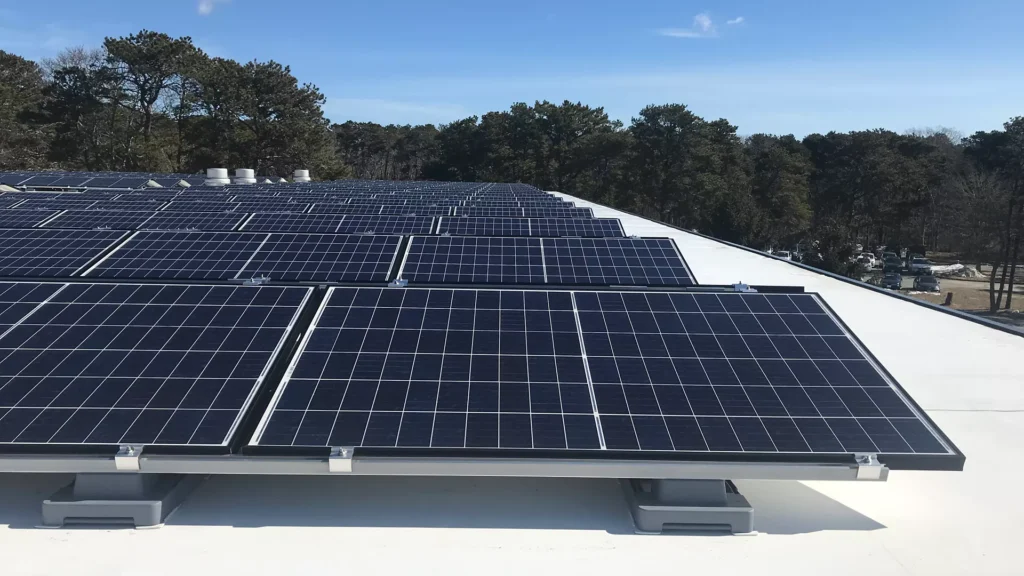
As the world continues to grapple with climate change, sustainable architecture has become an increasingly important aspect of our built environment. One innovative solution that’s gaining traction is solar roofing systems, which harness the power of sunlight to generate electricity and reduce energy consumption. In this article, we’ll delve into the world of solar roofing systems, exploring their benefits, types, and applications.
What are Solar Roofing Systems?
Solar roofing systems are a type of photovoltaic (PV) technology that integrates solar panels into building roofs. These systems use thin-film solar cells or traditional crystalline silicon solar panels to convert sunlight into electricity. The resulting energy is then fed into the electrical grid, reducing reliance on fossil fuels and lowering carbon emissions.
Benefits of Solar Roofing Systems
So, why should you consider solar roofing systems for your next building project? Here are just a few compelling reasons:
- Energy Savings: By generating their own electricity, buildings with solar roofs can reduce their energy consumption and lower utility bills. This can lead to significant cost savings, especially in regions with high energy prices.
- Increased Property Value: Solar roofs have been shown to increase property values by up to 17%. This is because homeowners who install solar panels are seen as more environmentally conscious and responsible, which can make their homes more attractive to potential buyers.
- Reduced Carbon Footprint: Solar roofs help mitigate climate change by reducing greenhouse gas emissions. By generating clean energy, buildings with solar roofs can reduce their carbon footprint and contribute to a more sustainable future.
Types of Solar Roofing Systems
There are several types of solar roofing systems available, each with its own unique benefits and drawbacks. Here are a few:
- Bifacial Solar Panels: These panels can absorb sunlight from both the front and back sides, increasing energy production. Bifacial solar panels are ideal for buildings with high roof surfaces or where sunlight is limited by shading.
- Thin-Film Solar Cells: Thin-film solar cells are lightweight, flexible, and affordable. They’re often used in building-integrated photovoltaics (BIPV) systems, which integrate solar panels into the building’s facade.
- Traditional Crystalline Silicon Solar Panels: These panels offer high efficiency rates but require more space. They’re ideal for large-scale commercial or industrial applications where roof space is available.
Applications of Solar Roofing Systems
Solar roofing systems can be used in a variety of applications, including:
- Residential Buildings: Homes with solar roofs can reduce energy consumption and lower utility bills. This can lead to significant cost savings and increased property value.
- Commercial Buildings: Offices, warehouses, and other commercial spaces can benefit from solar roofing systems. By generating clean energy, these buildings can reduce their carbon footprint and contribute to a more sustainable future.
- Industrial Buildings: Factories, manufacturing plants, and other industrial facilities can harness the power of sunlight to generate electricity. This can lead to significant cost savings and increased productivity.
Incentives for Solar Roofing Systems
Governments around the world offer incentives for building owners who install solar roofs. These incentives include:
- Tax Credits: Building owners can claim tax credits on their energy savings. In the United States, for example, the Solar Investment Tax Credit (ITC) allows homeowners to claim a tax credit of up to 26% of the total cost of installing a solar roofing system.
- Grants: Some governments offer grants to help offset the cost of installing solar roofing systems. For example, in Germany, the government offers a grant of up to €3,500 per kilowatt (kW) of installed capacity.
- Net Metering: Building owners can sell excess energy back to the grid and receive a credit on their utility bill. This allows them to offset their energy consumption with renewable energy and reduce their carbon footprint.
The Future of Sustainable Architecture
As concerns about climate change continue to grow, sustainable architecture is becoming an increasingly important aspect of our built environment. Solar roofing systems are just one innovative solution that’s gaining traction in this space. By harnessing the power of sunlight, we can reduce our carbon footprint and create a more sustainable future.
Frequently Asked Questions
- How do solar roofs work?: Solar roofs use photovoltaic technology to convert sunlight into electricity. This process involves absorbing sunlight and using it to generate an electrical current.
- What are the benefits of solar roofs?: Solar roofs offer energy savings, increased property value, and reduced carbon emissions. They can also help reduce energy consumption and lower utility bills.
- Can I install a solar roof on my existing building?: Yes, but it may require additional structural support or modifications. Building owners should consult with architects and engineers to determine the feasibility of installing a solar roof on their existing building.
- Are solar roofs expensive?: The cost of solar roofs varies depending on the type and size of the system. On average, solar roofing systems can range from $15 to $30 per watt, although prices may be higher or lower depending on factors such as location and installation costs.
Case Studies
There are many real-world examples of successful solar roofing installations that demonstrate their benefits and potential. Here are a few case studies:
- Solar Roof Installation at Stanford University: In 2014, Stanford University installed a 200 kW solar roof on its Stanford Memorial Church. The system reduced the church’s energy consumption by 60% and saved $50,000 per year in utility costs.
- Solar Roof Installation at the University of California, Berkeley: In 2013, the University of California, Berkeley installed a 300 kW solar roof on its Student Union Building. The system reduced the building’s energy consumption by 40% and saved $30,000 per year in utility costs.
By harnessing the power of sunlight, we can reduce our carbon footprint and create a more sustainable future. Solar roofing systems are just one innovative solution that’s gaining traction in this space. As concerns about climate change continue to grow, it’s likely that solar roofing systems will play an increasingly important role in sustainable architecture.


