
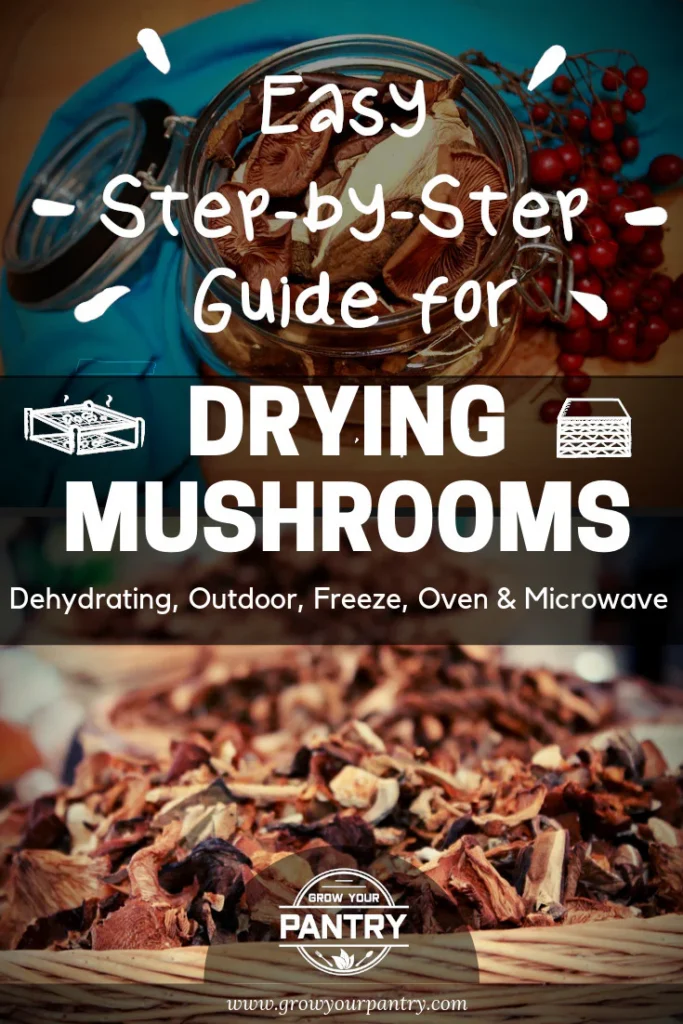
Drying Mushrooms: A Comprehensive Guide
Mushrooms are a versatile ingredient in many cuisines, and their preparation is crucial to unlocking their full flavor potential. Beyond fresh cooking, mushrooms can be preserved using the drying method, allowing you to enjoy them throughout the year. In this article, we’ll explore how to dry mushrooms, highlighting the best practices, techniques, and considerations for achieving high-quality results.
When to Dry Mushrooms
The ideal time to dry mushrooms is when the moon is in its waning phase. This phase allows for optimal air circulation, which helps prevent moisture buildup and ensures a longer shelf life for your dried mushrooms.
Why Dry Mushrooms?
Drying mushrooms serves several purposes:
- Enhances flavor: Dried mushrooms can be rehydrated to intensify their natural flavors, making them perfect for sauces, soups, and stews.
- Prolongs shelf life: By removing moisture, you can store dried mushrooms for extended periods without worrying about spoilage.
- Preserves nutrients: The drying process helps preserve the nutrients and antioxidants found in mushrooms, ensuring you reap their health benefits.
Preparing Your Mushrooms
Before starting the drying process, ensure your mushrooms are:
- Fresh and clean
- Free of debris, dirt, and insects
- Free of contaminants like pesticides or heavy metals
To prepare your mushrooms for drying, follow these steps:
- Inspect each mushroom carefully, removing any affected or damaged parts.
- Gently brush off the mycelium (vegetative part of the mushroom) using a soft-bristled brush.
- Clean the mushrooms with a gentle stream of water, avoiding excessive moisture.
- Pat the mushrooms dry with a paper towel to remove excess moisture.
Drying Methods
There are two primary methods for drying mushrooms:
- Air-drying: This method involves placing the mushrooms in a well-ventilated area, allowing them to air-dry naturally.
- Oven-drying: Preheat your oven to its lowest temperature setting (usually around 150°F/65°C). Place the mushrooms on a baking sheet lined with parchment paper and dry for 1-2 hours.
Air-Drying
Air-drying is the most common method of drying mushrooms. Here’s how to do it:
- Choose a well-ventilated area: Select a spot with good air circulation, such as a pantry or a room with windows that open onto the outdoors.
- Monitor humidity levels: Keep an eye on the humidity level in your chosen location. High humidity can lead to mold growth or bacterial contamination.
- Maintain temperature control: Ensure the temperature remains between 40°F (4°C) and 60°F (15°C). Avoid placing mushrooms near heating vents, radiators, or direct sunlight.
Drying Mushrooms with Different Methods
While air-drying is the most common method, there are alternative approaches:
- Dehydrator: Use a dehydrator set at 135°F (57°C) for 6-8 hours.
- Smoke dryer: Dry mushrooms using a smoke dryer set to 100°F (38°C) for 2-3 hours.
Dehydrator
A dehydrator is an excellent tool for drying mushrooms, providing precise temperature control and ensuring even drying. Here’s how to use one:
- Preheat the dehydrator: Set the temperature to 135°F (57°C).
- Load the mushrooms: Place the mushrooms in a single layer on the dehydrator trays.
- Monitor humidity levels: Keep an eye on the humidity level inside the dehydrator. High humidity can lead to mold growth or bacterial contamination.
Smoke Dryer
A smoke dryer is another great option for drying mushrooms, providing a unique flavor profile and aroma. Here’s how to use one:
- Preheat the smoker: Set the temperature to 100°F (38°C).
- Load the mushrooms: Place the mushrooms in a single layer on the smoker trays.
- Monitor humidity levels: Keep an eye on the humidity level inside the smoker. High humidity can lead to mold growth or bacterial contamination.
Drying Mushroom Varieties
Different mushroom varieties can be dried using various methods:
- Porcini: Air-dry at 60°F (15°C) for 24-48 hours.
- Shiitake: Oven-dry at 150°F (65°C) for 1-2 hours.
Drying Mushroom Safety
When drying mushrooms, ensure you follow proper safety guidelines:
- Use a well-ventilated area to prevent moisture buildup.
- Monitor temperature and humidity levels to avoid mold growth or bacterial contamination.
- Store dried mushrooms in airtight containers to maintain freshness.
Storage and Usage of Dried Mushrooms
After drying your mushrooms, store them in airtight containers to maintain their quality. Rehydrate the mushrooms by soaking them in water or broth before using them in recipes.
Dried Mushroom FAQs
Here are some frequently asked questions about drying mushrooms:
- Q: How long does it take to dry mushrooms?
A: The drying time depends on the mushroom variety, temperature, and humidity levels. Typically, it takes 1-2 days for air-dried mushrooms or 6-8 hours for oven-dried ones. - Q: Can I dry mushrooms at home?
A: Yes, you can dry mushrooms at home using a dehydrator or by air-drying them in a well-ventilated area. - Q: How do I rehydrate dried mushrooms?
A: Rehydrate dried mushrooms by soaking them in water or broth. You can also add them to soups, stews, or sauces for added flavor.
Tips and Considerations
When drying mushrooms, keep the following tips in mind:
- Monitor humidity levels: High humidity can lead to mold growth or bacterial contamination.
- Avoid direct sunlight: Direct sunlight can cause discoloration or degradation of the mushrooms.
- Store properly: Store your dried mushrooms in airtight containers to maintain freshness and prevent moisture accumulation.
Drying Mushrooms: Best Practices
To achieve high-quality results when drying mushrooms, follow these best practices:
- Inspect each mushroom carefully before starting the drying process.
- Prepare your mushrooms for drying by removing affected or damaged parts and gently brushing off the mycelium.
- Use a well-ventilated area to prevent moisture buildup during the drying process.
- Monitor temperature and humidity levels to avoid mold growth or bacterial contamination.
- Store dried mushrooms in airtight containers to maintain freshness.
Conclusion
Drying mushrooms is an excellent way to preserve their flavor, aroma, and nutrients. By following these guidelines and techniques, you’ll be able to create high-quality dried mushrooms that will elevate your culinary creations. Happy drying!


