
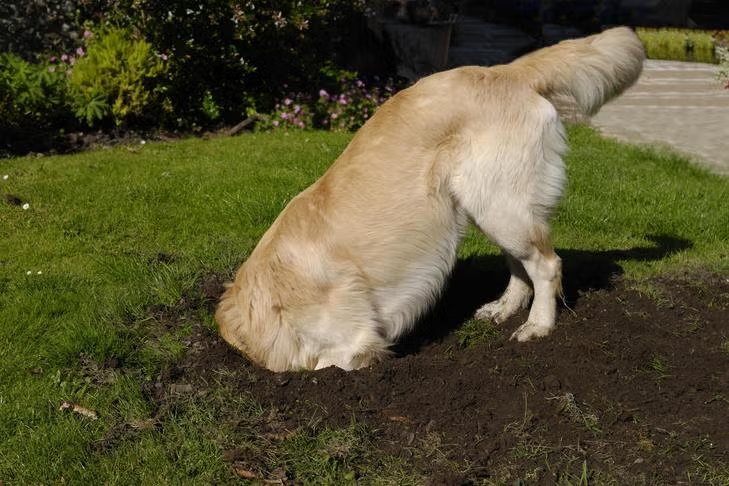
As a dog owner, you may have noticed that your furry friend has a tendency to dig holes in the garden or even in their bedding. While some dogs are naturally inclined to digging due to their breed or instinct, excessive digging can be detrimental to both the dog’s physical and mental health. In this article, we’ll delve into the reasons behind canine digging, explore the consequences of this behavior, and provide practical solutions to address it.
The Joy of Digging: Why Dogs Do It
Dogs dig for various reasons, including:
- Refresher: During hot summer days, dogs seek cooler temperatures by digging beneath the surface.
- Stress relief: Some dogs may dig as a way to cope with anxiety or stress.
- Boredom: Lack of mental and physical stimulation can lead to excessive digging.
Digging in the Garden
Gardens are often the most targeted area for canine digging. This is due to several factors, including:
- Attracting scents: Dogs are drawn to strong-smelling substances like fertilizers, roots, or bones.
- Instinctual behavior: Breeds with a high prey drive, such as hounds and herding dogs, may exhibit digging behavior due to their instinctual nature.
Races Prone to Digging
Some breeds are more likely to engage in excessive digging than others:
- Huskies
- Labradors
- German Shepherds
- Australian Cattle Dogs
However, it’s essential to note that individual personalities and circumstances can play a significant role in determining a dog’s likelihood of engaging in destructive behavior.
Digging in the Cuddle Bed
While less common than garden digging, some dogs may exhibit excessive digging in their beds:
- No motivation: Lacking stimulating activities can lead to boredom and digging.
- Separation anxiety: Dogs may dig due to feelings of abandonment or separation anxiety.
Understanding Canine Digging: Causes, Consequences, and Solutions
To address your dog’s digging habits, it’s crucial to understand the underlying reasons behind their behavior. Here are some common causes and consequences of canine digging:
- Physical Causes: Dogs may dig due to physical discomfort, such as arthritis or hip dysplasia. In these cases, providing regular exercise and maintaining a healthy weight can help alleviate the issue.
- Emotional Causes: Some dogs may engage in destructive behavior due to emotional distress, such as separation anxiety or stress. Addressing these issues through positive reinforcement training and desensitization techniques can be beneficial.
Digging Solutions: A Comprehensive Approach
Curing your dog’s digging habit requires a multi-faceted approach that addresses both the physical and emotional needs of your pet. Here are some effective solutions to consider:
- Exercise and Mental Stimulation: Regular exercise, interactive toys, and puzzle feeders can help reduce boredom and stress.
- Redirecting the Behavior: Redirecting your dog’s attention to an acceptable activity or toy when they start digging can be a simple yet effective solution.
- Environmental Changes: Rearranging the garden layout or adding physical barriers to deter digging can prevent unwanted behavior.
- Positive Reinforcement Training: Rewarding your dog for not engaging in destructive behavior can reinforce good habits and discourage digging.
The Role of Breed-Specific Traits
While breed-specific traits may contribute to a dog’s likelihood of engaging in excessive digging, it’s essential to remember that individual personalities play a significant role in determining a dog’s behavior. Here are some common breed-related factors that may influence your dog’s digging habits:
- High-Energy Breeds: Dogs with high energy levels, such as hounds and herding breeds, may engage in excessive digging due to their instinctual nature.
- Food-Motivated Breeds: Dogs with strong prey drive, such as hunting breeds, may be more likely to dig due to the allure of food.
Managing Canine Digging: Tips for Dog Owners
Curing your dog’s digging habit can be challenging, but with patience and persistence, you can address this behavior. Here are some additional tips to help you manage canine digging:
- Supervise Your Dog: Keeping a close eye on your dog when they’re in the garden or bed can help prevent unwanted digging.
- Use Positive Reinforcement Training: Rewarding your dog for good behavior and discouraging digging through consistent training sessions.
- Offer Regular Exercise: Providing regular physical exercise and mental stimulation can reduce stress and boredom, leading to a decrease in digging.
Conclusion
Canine digging is a complex issue that requires a comprehensive approach to address. By understanding the underlying causes of this behavior, you can develop effective solutions to curb your dog’s digging habits. With patience, persistence, and positive reinforcement training, you can help your dog overcome excessive digging and enjoy a more harmonious relationship with your pet.
Additional Tips
- Provide plenty of toys and chews to keep your dog occupied.
- Create a comfortable and inviting sleeping area for your dog.
- Consider hiring a professional dog trainer or behaviorist if your dog’s digging persists despite trying the above solutions.


