
As a gardener, you’re likely no stranger to the importance of maintaining a healthy and thriving garden. However, when it comes to tackling common plant diseases and pests, many gardeners turn to chemical-based solutions. But what if I told you that there are natural remedies available that can help keep your plants healthy and pest-free? In this article, we’ll explore some effective natural remedies for plant care, including medicines derived from other plants.
The Power of Plant Medicine
Plant medicine is a term used to describe substances extracted from other plants that can be prepared by yourself and administered to your plants in the form of macerats and infusions. While these remedies may seem like a convenient alternative to chemical-based solutions, they require some effort and dedication to use effectively.
When it comes to using plant medicine for plant care, it’s essential to consider the severity of the problem you’re trying to address. In most cases, natural remedies can be effective in treating common plant diseases such as white mold, aphids, and spider mites. However, when dealing with more serious issues like fungal infections, a more aggressive approach may be necessary.
Choosing the Right Plant Medicine
There are several types of plant medicine that you can use to care for your plants, each with its unique benefits and applications. Some of the most common include:
- Ortica: This herb is known for its antifungal properties and is often used to treat leaf spot diseases.
- Tanacetum: Also known as tansy, this herb has natural insecticidal properties that can help control aphids and other pests.
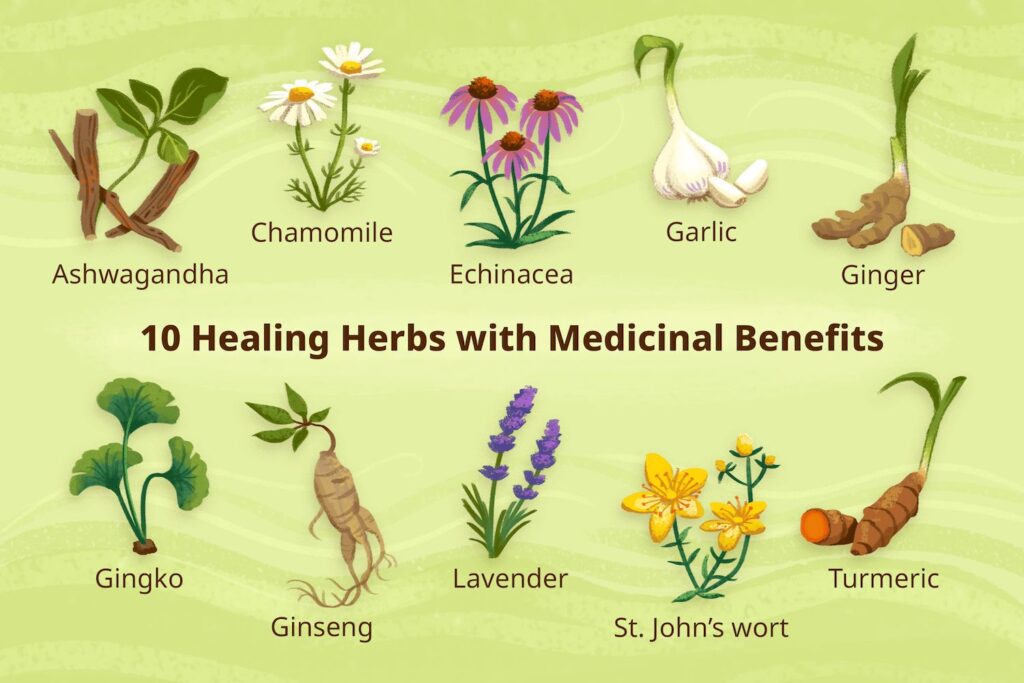
- Allium (garlic): Garlic is a natural fungicide that can be used to treat a range of fungal infections, including powdery mildew and leaf spot diseases.
- Equisetum: This herb has been shown to have antifungal properties and is often used to treat root rot and other fungal infections.
Preparing Your Plant Medicine
To use plant medicine for your plants, you’ll need to prepare a solution by extracting the active compounds from the herb. The method of preparation can vary depending on the specific herb being used, but here are some general guidelines:
- Maceration: This involves steeping the herb in water or another liquid to extract the active compounds.
- Infusion: Similar to maceration, but this process uses a shorter steeping time and may be repeated several times.
When to Use Plant Medicine
While plant medicine can be an effective way to care for your plants, it’s essential to use them at the right time. In general, natural remedies work best when used in conjunction with good garden hygiene practices, such as removing infected leaves and destroying weeds.
To get the most out of your plant medicine, consider the following:
- Prevention: Using natural remedies can be an effective way to prevent common plant diseases from taking hold.
- Treatment: When a disease does occur, using plant medicine can help treat it more quickly and effectively than chemical-based solutions.
Common Plant Diseases and Pests
Here are some common plant diseases and pests that may require the use of natural remedies:
- White Mold: A fungal infection that causes white, cottony growth on leaves.
- Aphids: Small, soft-bodied insects that feed on sap and can spread disease.
- Spider Mites: Tiny, spider-like insects that feed on sap and can cause yellowing or bronzing of leaves.
- Fungal Infections: A range of diseases caused by fungi, including powdery mildew, leaf spot, and root rot.
Using Plant Medicine for Specific Diseases
Here are some specific uses for plant medicine when dealing with common plant diseases:
- Leaf Spot Diseases: Use Ortica or garlic to treat leaf spot diseases.
- Aphids and Spider Mites: Use Tanacetum or garlic to control these pests.
- Fungal Infections: Use Equisetum or other herbs with antifungal properties to treat fungal infections.
Precautions and Contraindications
While natural remedies can be an effective way to care for your plants, there are some precautions and contraindications to consider:
- Allergic Reactions: Some herbs can cause allergic reactions in certain plants.
- Toxicity: Some herbs can be toxic to humans or pets if ingested.
- Interference with Other Treatments: Natural remedies may interfere with other treatments, such as chemical-based pesticides.
Conclusion
Plant medicine is a powerful tool for gardeners looking to care for their plants without resorting to chemical-based solutions. By understanding how to prepare and use these natural remedies, you can help keep your garden healthy and thriving.
Here are some frequently asked questions about plant medicine:
- What types of herbs can I use to make my own plant medicines?
You can find many different herbs at your local nursery or online, but be sure to do thorough research on their potential effects before using them.
2. How often should I use plant medicine for my plants?
The frequency will depend on the specific herb and plant disease you’re trying to treat. Generally speaking, natural remedies are most effective when used in conjunction with good garden hygiene practices.
3. Can plant medicine be used to prevent diseases or only to treat them?
While both uses are possible, prevention is often more effective than treatment when it comes to common plant diseases.
4. What are some potential side effects of using plant medicine on my plants?
Some herbs can cause allergic reactions in certain plants, so make sure to test a small area before using them widely.
5. How long do I need to leave the herb steeping before straining and using it as a treatment for my plants?
This will depend on the specific herb being used, but generally you’ll want to let it steep for several days or weeks before straining and using the liquid solution.
By following these guidelines and using your best judgment when it comes to preparing and administering plant medicine, you can help create a healthy and thriving garden environment.


