
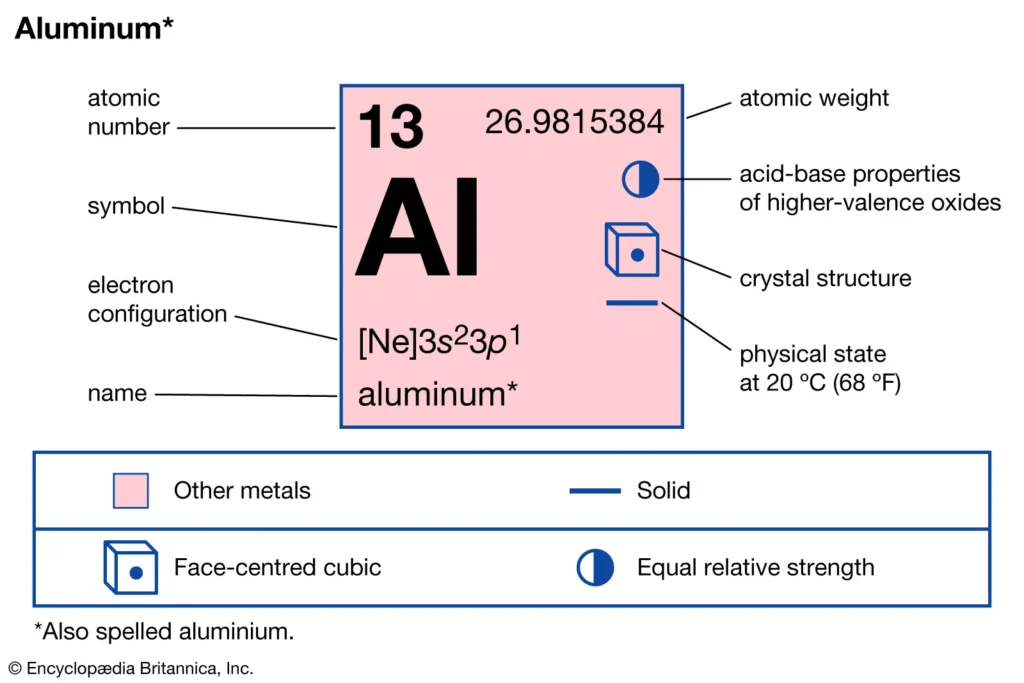
As we continue to explore the properties of materials that have always been considered standard, it’s time to shine a spotlight on aluminum, a versatile metal that has earned its place in many industries. With new technologies emerging all the time, it’s natural to wonder if aluminum is still up to par, especially when it comes to environmental impact and sustainability. But let’s dive into the amazing properties of aluminum and discover why it remains an essential material in our daily lives.
What Makes Aluminum So Special?
Aluminum has a unique combination of characteristics that make it stand out from other metals. One of its most prized features is its lightweight nature, which makes it an ideal choice for aerospace applications and other industries where weight is a critical factor. This is why we see aluminum extensively used in aircraft construction, as well as in the manufacturing of high-performance vehicles.
But aluminum’s durability is another key advantage. Its resistance to corrosion, particularly when exposed to atmospheric conditions, makes it a popular choice for building construction and industrial applications. In fact, its ability to withstand harsh environments has led to its widespread use in marine and industrial settings.
Aluminum: A Versatile Material
One of the most significant benefits of aluminum is its ease of workability. Unlike other metals, which can be challenging to shape and mold, aluminum is surprisingly pliable. This makes it an ideal material for a wide range of applications, from creating complex shapes to forming thin sheets.
In addition to its versatility, aluminum has another unique property: it’s an excellent conductor of heat and electricity. This makes it a crucial component in various industries, including electronics, aerospace, and energy production.
The Environmental Benefits of Aluminum
So, what about the environmental impact of aluminum? Surprisingly, this metal has several eco-friendly attributes that set it apart from other materials. For instance, its lightweight nature reduces energy consumption during transportation, making it a more sustainable choice for industries that rely on long-distance shipping.
Moreover, aluminum is 100% recyclable, and in fact, nearly one-third of all aluminum produced today is made from recycled materials. This not only saves energy but also minimizes waste, as aluminum can be recycled indefinitely without compromising its quality.
The Role of Aluminum in Modern Architecture
In addition to its industrial applications, aluminum has become a popular choice for architectural purposes due to its aesthetic appeal and versatility. Its ability to be anodized or powder-coated creates a wide range of colors and finishes, making it an ideal material for modern design.
Furthermore, aluminum’s corrosion resistance ensures that it can withstand the elements without compromising its appearance, making it an excellent choice for exterior applications such as roofing, siding, and decorative features.
Aluminum in Everyday Life
So, where can you find aluminum in your daily life? From food packaging to electronics, this versatile metal has become an integral part of our lives. Its widespread use is a testament to its unique combination of properties, making it an essential material for various industries.
In conclusion, aluminum is more than just a metal – it’s a game-changer. Its unique characteristics, environmental benefits, and versatility have made it an indispensable component in many industries, from aerospace to architecture. As we continue to explore new technologies and sustainable practices, it’s clear that aluminum will remain an essential material for our future.
Frequently Asked Questions (FAQs)
- Is aluminum safe to use?
Yes, aluminum is generally considered safe when used properly. However, it’s essential to follow proper handling and recycling procedures to minimize potential health risks.
- Can aluminum be recycled indefinitely?
Yes, aluminum can be recycled repeatedly without losing its quality or properties. In fact, nearly all of the world’s aluminum production comes from recycled sources.
- How does aluminum contribute to climate change?
While aluminum has several eco-friendly attributes, its production process contributes to greenhouse gas emissions. However, recycling and reusing aluminum significantly reduces these emissions.
- Is aluminum a sustainable material?
Yes, aluminum is an extremely sustainable material due to its high recyclability rate, lightweight nature, and energy efficiency.
- What are the most common applications of aluminum?
Aluminum is widely used in various industries, including aerospace, construction, packaging, electronics, and transportation.
- Can aluminum be used for medical purposes?
Yes, aluminum has several medical applications, such as dental implants, surgical instruments, and diagnostic equipment.
- Is aluminum magnetic?
No, pure aluminum is not magnetic. However, some aluminum alloys may exhibit magnetic properties due to the presence of other metals or impurities.
- How can I recycle aluminum properly?
Proper recycling involves sorting, cleaning, and processing aluminum materials before melting them down for reuse. You can also participate in community recycling programs or contact local waste management authorities for guidance.
The History of Aluminum
Aluminum has a rich history that dates back to the early 19th century. In 1825, Danish scientist Hans Christian Ørsted discovered the metal and named it after Swedish chemist Johan Gadolin, who had first isolated it in 1808. However, it wasn’t until the late 1800s that aluminum became commercially available.
In 1886, French engineer Paul Héroult developed a process to extract aluminum from its ores using an electrolytic cell, which revolutionized the industry and made aluminum more accessible. The development of aluminum alloys in the early 20th century further expanded its applications and transformed it into one of the most versatile metals we know today.
The Future of Aluminum
As technology continues to advance, aluminum will undoubtedly play a crucial role in shaping our future. With ongoing research and development aimed at reducing its environmental impact and improving its sustainability, aluminum is poised to remain an essential material for industries ranging from aerospace to architecture.
In the coming years, we can expect to see new applications of aluminum emerge, driven by innovations such as:
- Advanced Recycling Technologies: The development of more efficient recycling processes will enable the industry to produce higher-quality aluminum while minimizing waste.
- Lightweight Materials: Researchers are exploring new methods for producing lightweight materials that combine the strength and durability of aluminum with other advanced materials.
- Sustainable Supply Chains: Companies are working to optimize their supply chains, reducing energy consumption and emissions throughout the production process.
As we continue to push the boundaries of what is possible with aluminum, it’s clear that this versatile metal will remain an essential component of our daily lives for years to come.
Conclusion
In conclusion, aluminum is a remarkable material that offers a unique combination of properties, making it an indispensable component in many industries. From its lightweight nature and ease of workability to its environmental benefits and versatility, aluminum has cemented its place as one of the most important metals we use today.
As we look to the future, it’s clear that aluminum will continue to play a critical role in shaping our world. Whether through innovative technologies or sustainable practices, aluminum will remain an essential material for industries ranging from aerospace to architecture.
In the end, aluminum is more than just a metal – it’s a testament to human ingenuity and creativity. As we continue to explore new possibilities and push the boundaries of what is possible, it’s clear that aluminum will remain an essential component of our daily lives for years to come.


