
The Biodegradable or Non-Biodegradable Dilemma: Navigating the Perils of Modern Food
When you eat, do you truly know what’s inside your food? What nutrients are you consuming, and what unwanted substances are lurking in the shadows? The relationship between food and our health is complex, with both qualitative and quantitative aspects playing a crucial role in our overall well-being.
The consumption of excess calories can lead to weight gain, which may eventually manifest as cardiovascular disease. From a qualitative perspective, it’s essential to distinguish between “good” foods and “bad” ones, often referred to as “junk food.” However, even seemingly harmless foods can have detrimental effects on our health if consumed excessively or regularly.
A study analyzing data from over 1.5 million individuals found that numerous substances in circulation can harm human health, many of which are present in the foods we commonly consume. This alarming discovery highlights the importance of conscious eating habits centered around nutrient-rich foods and biologically sustainable products.
The additives and chemicals often used in conventional food products – packaged snacks like chips, chocolates, and frozen meals – have not yet been fully understood by science, potentially posing significant health risks. Other synthetic components found in personal care items, such as soaps, shampoos, and deodorants, may exhibit estrogenic effects, further exacerbating the problem.
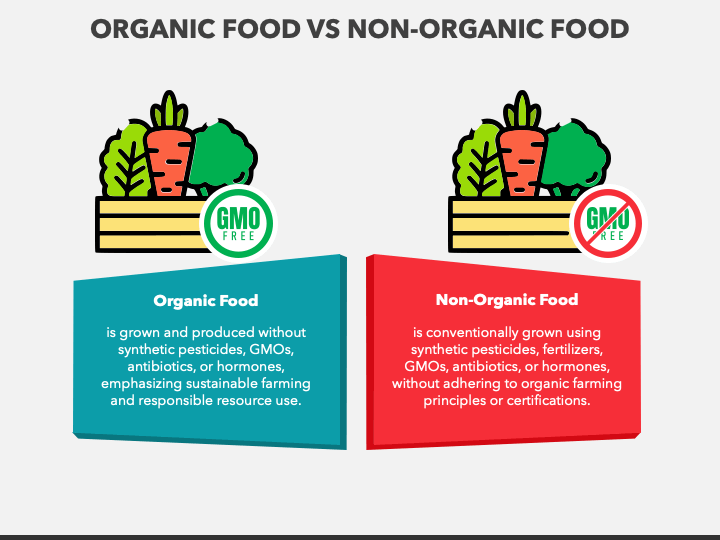
In contrast, products labeled as “biological” or “organic” contain fewer artificial additives and chemical residues, thus minimizing potential harm to our health. Although some conventional food products are now being reclassified as potentially hazardous due to their high levels of synthetic substances, this is a pressing concern that demands immediate attention from consumers.
Colorants used in food manufacturing are another source of alarm, particularly those derived from synthetic chemicals. These additives may have a negative impact on human health and are ubiquitous in the foods we regularly consume, including meat and seafood. The vibrant red color of shrimp, for instance, is a result of artificial dye.
Even packaged meals wrapped in disposable plastic bags pose risks to our environment and health. Although it’s essential to acknowledge that waste management is an issue, there’s still much work to be done to minimize the impact of single-use plastics on our ecosystem.
Furthermore, the food industry has been criticized for its contribution to environmental degradation. Deforestation, water pollution, and climate change are just a few of the devastating consequences resulting from unsustainable agricultural practices. Moreover, the production of meat products is particularly problematic due to greenhouse gas emissions and resource consumption.
To address these concerns, it’s crucial to adopt conscious eating habits that prioritize biologically sustainable products over conventional alternatives. This includes selecting locally sourced foods, reducing food waste, and opting for plant-based options whenever possible.
The impact of food on our health extends beyond individual choices, as the food industry plays a significant role in shaping public policy and influencing consumer behavior. Governments must take responsibility for promoting environmentally friendly agricultural practices and regulating the food industry to ensure that consumers are protected from harm.
In addition to government action, individuals have a vital role to play in shaping the future of the food industry. By supporting local farmers, choosing organic products, and advocating for policy changes, we can create a more sustainable food system that prioritizes human health and environmental well-being.
Frequently Asked Questions (FAQs)
Q: What is biodegradable, and why is it essential for human health?
A: Biodegradable substances are those that can break down naturally in the environment without causing harm. Adopting a diet rich in biologically sustainable products minimizes exposure to potentially hazardous chemicals.
Q: Can additives and preservatives found in food products be safely consumed?
A: The long-term effects of these additives on human health are still being studied, making it wise to exercise caution when consuming foods containing them.
Q: What role do colorants play in food manufacturing, and can they pose health risks?
A: Synthetic colorants have been linked to various health problems, including hormonal imbalances and allergic reactions. Opting for natural alternatives is recommended.
Q: How does the use of plastic packaging affect human health and the environment?
A: Single-use plastics, such as disposable bags, contribute to both environmental pollution and exposure to toxic chemicals through food contamination.
Q: What steps can individuals take to reduce their risk of adverse effects from modern foods?
A: Eating a balanced diet with plenty of whole, nutrient-rich foods; avoiding processed products whenever possible; and choosing biologically sustainable alternatives can help minimize exposure to potentially hazardous substances.
Case Studies
-
The Impact of Glyphosate on Human Health: Glyphosate is a widely used herbicide in agriculture, but its effects on human health are still being studied. Research has linked glyphosate to various health problems, including cancer and neurological disorders.
-
The Case for Organic Meat Production: Organic meat production has been shown to have several environmental benefits, including reduced greenhouse gas emissions and improved soil health. Furthermore, organic meat products tend to have lower levels of antibiotics and hormones.
-
Food Waste Reduction Strategies: Food waste is a significant issue in the food industry, with an estimated 30% of all food produced globally being wasted. Implementing strategies such as “ugly produce” initiatives and reducing packaging can help minimize food waste and promote sustainability.
-
The Benefits of Plant-Based Diets: Plant-based diets have been linked to various health benefits, including reduced risk of cardiovascular disease and certain types of cancer. Additionally, plant-based diets tend to have a lower environmental impact than meat-based diets.
Conclusion
In conclusion, adopting a biologically sustainable lifestyle through conscious food choices can significantly reduce the risk of adverse effects from the foods we consume. It’s not just about what you eat; it’s also crucial to consider the broader implications of modern products and practices on our health and environment.
As consumers, we have a responsibility to prioritize our health and well-being by making informed decisions about the food we eat. By choosing biologically sustainable options, reducing waste, and advocating for policy changes, we can create a more environmentally friendly food system that benefits both humans and the planet.
In an era where the lines between health and environment are increasingly blurred, it’s essential to take proactive steps towards creating a healthier, more sustainable future. The choices we make about our diet have far-reaching consequences, and by embracing conscious eating habits, we can play a vital role in shaping the future of the food industry.
Recommendations
- Choose Biologically Sustainable Options: Opt for products labeled as “biological” or “organic,” which tend to contain fewer artificial additives and chemical residues.
- Reduce Food Waste: Implement strategies such as reducing packaging, using up leftovers, and composting food waste to minimize the environmental impact of your eating habits.
- Support Local Farmers: Promote local agriculture by supporting farmers who use environmentally friendly practices and prioritize biodiversity.
- Advocate for Policy Changes: Encourage policy makers to regulate the food industry and promote environmentally friendly agricultural practices.
By taking these steps, we can create a more sustainable food system that prioritizes human health and environmental well-being. The future of our planet depends on it.


