
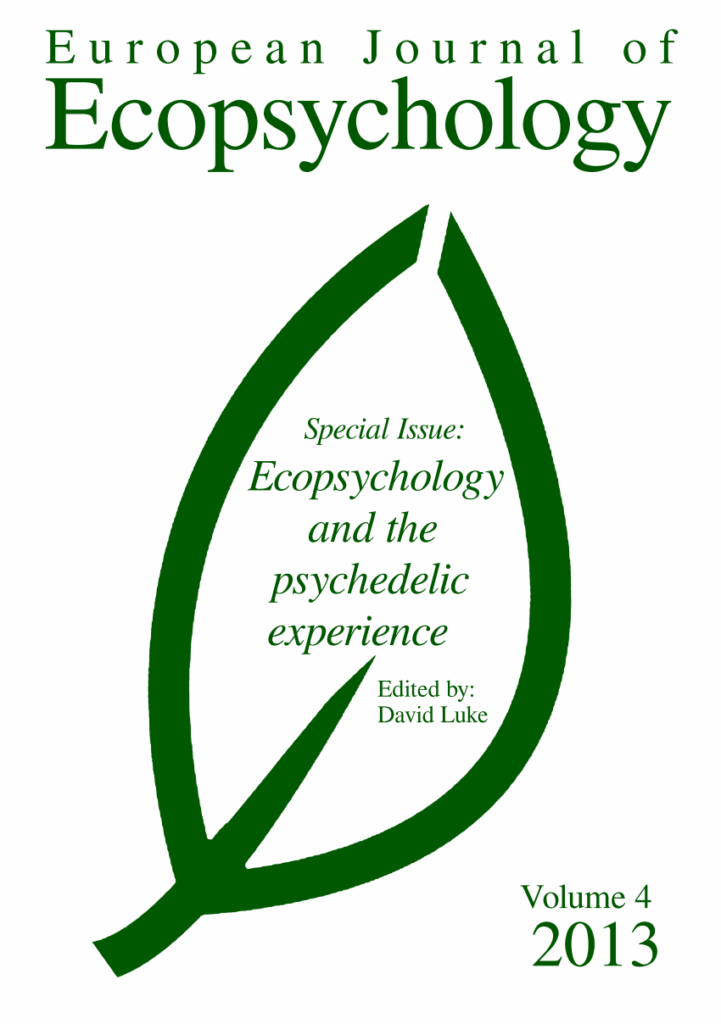
In today’s world, where the consequences of human actions on the environment are becoming increasingly apparent, it’s essential to explore our relationship with nature and how it affects our well-being. This article delves into the concepts of ecopsychology and eco-sophy, two fields that aim to understand and promote a deeper connection between humans and the natural world.
What is Ecopsychology?
Ecopsychology, a term coined in 1992 by Theodore Roszak, refers to the study of the interconnectedness of human psychology and the natural environment. It recognizes that our mental and emotional well-being is deeply tied to our relationship with nature. By exploring this connection, ecopsychologists aim to promote a more holistic understanding of human behavior and its impact on the planet.
The roots of ecopsychology can be traced back to the 1960s, when environmental concerns began to gain attention. The movement highlighted the need for a more sustainable way of living, one that prioritized the health of both humans and the environment. Ecopsychology emerged as a response to this growing awareness, seeking to understand how our psychological needs and desires intersect with the natural world.
The Foundational Principles of Ecopsychology
At its core, ecopsychology is built on several key principles:
- Interconnectedness: The understanding that human psychology and the natural environment are intricately linked.
- Holism: Recognizing that individual components interact and influence one another within a larger system.
- Emphasis on experience: Prioritizing direct experiences with nature over abstract concepts or theoretical frameworks.
Key Theories in Ecopsychology
Several key theories underpin the field of ecopsychology, including:
- Biophilia Theory: Proposes that humans have an innate love for nature and a tendency to seek connections with it.
- Ecological Psychology: Focuses on understanding how our interactions with the natural environment shape our mental processes and behaviors.
The Role of Ecopsychology in Promoting Sustainability
By recognizing the intricate relationships between human psychology and the natural world, ecopsychology can play a crucial role in promoting sustainability. This includes:
- Encouraging eco-friendly behaviors: By understanding how our psychological needs intersect with environmental concerns.
- Fostering a sense of community: Promoting collective responsibility for protecting the natural environment.
Eco-Sophy: A Philosophical Approach
In contrast to ecopsychology, eco-sophy represents a more philosophical approach to understanding our relationship with the natural world. Developed by Norwegian philosopher Arne Naess in the 1970s and 1980s, eco-sophy emphasizes the importance of valuing non-human life and promoting a sense of responsibility towards the environment.
At its heart, eco-sophy is centered on the concept of “deep ecology,” which encourages individuals to adopt a more profound appreciation for the natural world. By recognizing our place within the web of life, we can cultivate a deeper sense of empathy and respect for other species.
Key Principles of Eco-Sophy
Some key principles underlying eco-sophy include:
- The value of non-human life: Recognizing the intrinsic worth of all living beings.
- Responsibility towards the environment: Acknowledging our duty to protect the natural world.
- Emphasis on experience and direct connection: Prioritizing personal experiences with nature over abstract concepts.
Influence of Eco-Sophy on Environmental Ethics
Eco-sophy has had a significant impact on environmental ethics, particularly in the development of “deep ecology” principles. This perspective emphasizes our interconnectedness with other species and the natural world, encouraging us to adopt more sustainable lifestyles.
By recognizing our responsibility towards the environment, eco-sophy promotes a sense of moral obligation to protect the natural world. This can lead to changes in individual behaviors, such as reducing consumption or adopting renewable energy sources.
Conclusion
Ecopsychology and eco-sophy represent two complementary approaches to understanding our relationship with the natural world. By exploring these fields, we can deepen our appreciation for the interconnectedness of human psychology and the environment, ultimately promoting a more holistic and sustainable way of living.
Through ecopsychology, we can gain insights into how our psychological needs intersect with environmental concerns, encouraging us to adopt more eco-friendly behaviors. Meanwhile, eco-sophy provides a philosophical framework for understanding our place within the web of life, cultivating empathy and respect for other species.
Ultimately, by embracing both ecopsychology and eco-sophy, we can work towards creating a more sustainable future that values the interconnectedness of human psychology and the natural environment.


