
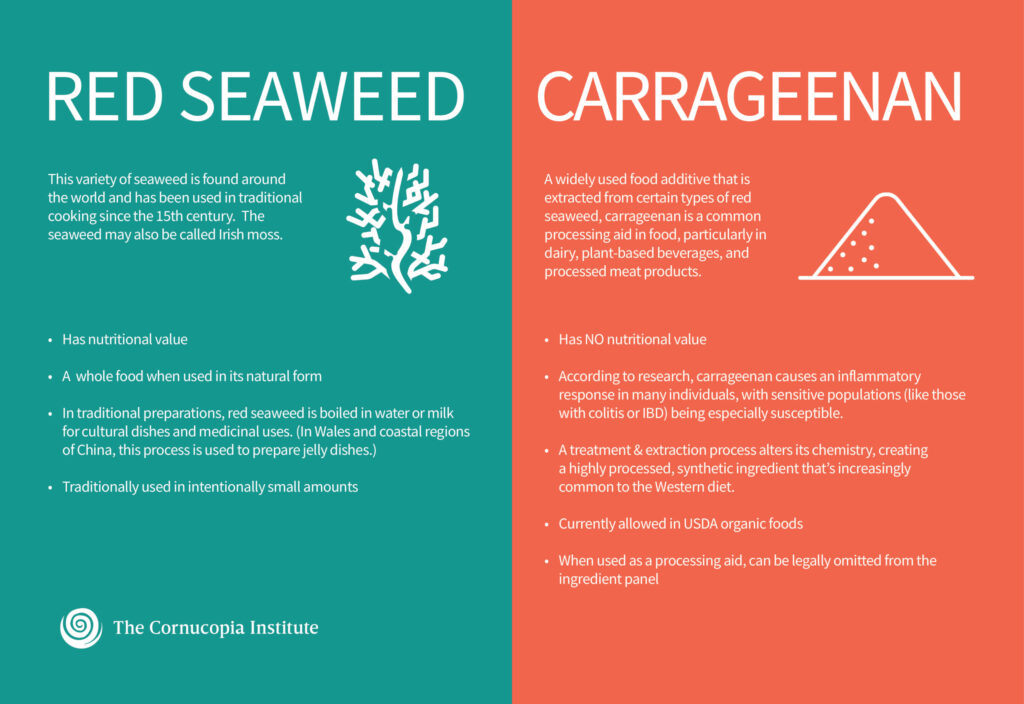
Carragenina, also known as E407, is a food additive used as a gelifying or thickening agent in various products. It’s derived from red algae and is commonly found in foods like desserts, ice cream, and baked goods.
In recent years, carragenina has been the subject of controversy over its potential health effects. While some studies have raised concerns about its safety, others have found no evidence of harm. In this article, we’ll delve into the facts about carragenina, exploring what it is, whether it’s safe to eat, and what foods contain it.
What is Carragenina?
Carragenina is a polysaccharide extracted from red algae, specifically the species Chondrus crispus. It’s also known as Irish moss or carrageen moss. The name “carragenina” refers specifically to this particular type of polysaccharide.
Is Carragenina Safe to Eat?
While carragenina is generally considered safe for human consumption by regulatory agencies such as the FDA, there are concerns about its potential health effects. Some studies have linked carragenina to an increased risk of colon cancer in animal models, but more research is needed to confirm these findings.
The FDA has deemed carragenina generally recognized as safe (GRAS), meaning it’s considered safe for consumption by regulatory agencies. However, the WHO has stated that carragenina is safe for human consumption in moderate amounts, while also acknowledging that more research is needed to fully understand its potential health effects.
What Foods Contain Carragenina?
Carragenina is a common ingredient in many food products, including:
- Desserts
- Ice cream
- Creamy sauces
- Baked goods like cakes and pastries
- Beer (as a clarification agent)
- Dentifricies
- Shampoos
- Cosmetics
- Soy milk and other plant-based milks
In addition to these products, carragenina is also used in some pharmaceuticals and dietary supplements.
The Carragenina Controversy
Despite its widespread use, carragenina has been the subject of controversy over its potential health effects. Some studies have raised concerns about its safety, while others have found no evidence of harm.
One of the main concerns about carragenina is its potential link to colon cancer. A study published in the Journal of Nutrition found that mice fed a diet containing carragenina were more likely to develop colon cancer than those fed a control diet. However, this study has been criticized for its small sample size and lack of replication.
Other studies have raised concerns about carragenina’s potential impact on gut health. A study published in the Journal of Food Science found that carragenina can alter the gut microbiome, leading to changes in the way the body processes nutrients. However, this study was limited by its small sample size and lack of control group.
Regulatory Agencies’ Stances
Regulatory agencies such as the FDA and the World Health Organization (WHO) have taken different stances on carragenina’s safety.
The FDA has deemed carragenina generally recognized as safe (GRAS), meaning it’s considered safe for consumption by regulatory agencies. However, the WHO has stated that carragenina is safe for human consumption in moderate amounts, while also acknowledging that more research is needed to fully understand its potential health effects.
Carragenina and Cancer
Some studies have suggested a link between carragenina and an increased risk of colon cancer in animal models. However, more research is needed to confirm these findings.
A study published in the Journal of Nutrition found that mice fed a diet containing carragenina were more likely to develop colon cancer than those fed a control diet. However, this study has been criticized for its small sample size and lack of replication.
Other studies have raised concerns about carragenina’s potential impact on gut health, leading to changes in the way the body processes nutrients. A study published in the Journal of Food Science found that carragenina can alter the gut microbiome, but this finding is not necessarily related to an increased risk of cancer.
Carragenina in the UK
In the UK, the Food Standards Agency has warned that carragenina can cause choking if ingested in large amounts. While this is a concern for some consumers, it’s worth noting that the agency has not found any evidence of a link between carragenina and cancer.
The FDA has also issued guidelines for the safe use of carragenina in food products. These guidelines recommend that manufacturers use carragenina at levels no greater than 2% of the total weight of the product, and that they label products containing carragenina with clear warnings about its potential allergenicity.
What About Celiachia?
Carragenina does not contain gluten, making it safe for individuals with celiac disease or intolerance to consume. However, some people may experience gastrointestinal symptoms after consuming carragenina, which could be related to an underlying condition like celiachia.
If you have celiachia and are concerned about consuming carragenina, consult with your healthcare provider before adding carragenina-based products to your diet. They can help you weigh the potential benefits against the risks and make an informed decision.
The Bottom Line
While carragenina is generally considered safe for human consumption, more research is needed to fully understand its potential health effects. As with any food additive, it’s essential to consume carragenina in moderation and to be aware of its presence in your diet.
If you have concerns about carragenina or are considering consuming products containing it, consult with a healthcare professional or registered dietitian for personalized advice. They can help you make informed decisions about your diet and ensure that you’re getting the nutrients you need while minimizing potential risks.
Frequently Asked Questions (FAQs)
Q: Is carragenina safe to eat?
A: Carragenina is generally considered safe for human consumption by regulatory agencies such as the FDA. However, more research is needed to fully understand its potential health effects.
Q: What foods contain carragenina?
A: Carragenina is commonly found in desserts, ice cream, creamy sauces, baked goods, beer, dentifricies, shampoos, cosmetics, soy milk, and other plant-based milks.
Q: Is there a link between carragenina and cancer?
A: Some studies have suggested a link between carragenina and an increased risk of colon cancer in animal models. However, more research is needed to confirm these findings.
Q: Can I have carragenina if I have celiachia?
A: Carragenina does not contain gluten, making it safe for individuals with celiac disease or intolerance to consume.
Q: Is carragenina safe for children?
A: More research is needed to determine the safety of carragenina in children. As with any food additive, it’s essential to consult with a healthcare professional before giving children carragenina-based products.
Q: Can I get sick from eating carragenina?
A: While carragenina is generally considered safe for human consumption, some people may experience gastrointestinal symptoms after consuming it. This could be related to an underlying condition like celiachia or another health issue.
Q: Is there a recommended daily intake of carragenina?
A: There is no established recommended daily intake of carragenina. As with any food additive, it’s essential to consume carragenina in moderation and to be aware of its presence in your diet.
Q: Can I get allergic reactions from eating carragenina?
A: While rare, some people may experience allergic reactions after consuming carragenina. If you suspect an allergy or intolerance, consult with a healthcare professional before continuing to consume carragenina-based products.


