
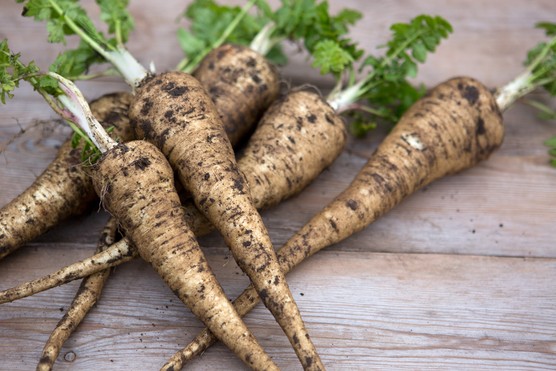
What is Pastinaca Sativa?
Pastinaca sativa, also known as sunchokes or Jerusalem artichokes, is a biennial plant belonging to the Apiaceae family, which includes carrots and parsley. It’s a distant cousin of these popular vegetables. This unique plant has been a staple in many European countries for centuries, particularly in Italy, where it’s still widely cultivated today.
A Brief History of Pastinaca Sativa
In Italy, it’s rare to find a field of pastinaca sativa in bloom, as it takes two years for the plant to mature. The first year, the plant grows a stumpy stem without flowers, but if left unattended, it produces a tall, flowering stalk with yellow blooms. This biennial growth pattern has led to the development of specialized harvesting techniques that ensure maximum yields.
The Traditional Method of Harvesting
For centuries, Italian farmers have harvested pastinaca sativa by hand, usually after the first frost in autumn. They would carefully dig up the tubers, which are then boiled and eaten. The traditional method involves harvesting only the mature tubers, as they contain higher levels of starch. This careful process allows farmers to enjoy the full flavor and nutritional benefits of their crop.
The Science Behind Harvesting
Did you know that the cold temperatures during the harvest process help convert the amylase into glucose? This natural process makes the root vegetable taste sweeter and more intense. This scientific principle has been used for centuries by Italian farmers to produce high-quality pastinaca sativa. By harvesting in the fall, farmers can take advantage of the plant’s natural sweetness, which is enhanced during the winter months.
How to Grow Pastinaca Sativa
Growing pastinaca sativa is relatively easy, but it requires careful attention during the second year of growth. The plant thrives in well-draining soil and full sun, making it an ideal crop for gardeners in temperate climates. For a bountiful harvest, sow seeds in late spring or early summer for an annual crop. Pastinaca sativa is also suitable for companion planting, as its tall stalks can provide support for climbing plants.
The Nutritional Value of Pastinaca Sativa
Pastinaca sativa is rich in vitamins B, C, and K, as well as minerals like potassium. It’s also high in fiber and antioxidants, making it an excellent addition to a healthy diet. The plant has been used as a natural sweetener, replacing sugar cane in many European countries. In fact, pastinaca sativa contains a type of sugar called inulin, which is naturally occurring and has been shown to have numerous health benefits.
Pericoli per la Coltivazione (Risks of Cultivation)
Is pastinaca sativa toxic? While the roots are safe to eat, some varieties of the plant contain furanocoumarins, which can cause skin irritation. To avoid any risks, harvest the plant on cloudy days and wear gloves. Additionally, pastinaca sativa should not be ingested raw, as it may cause gastrointestinal upset.
Le Proprietà della Pastinaca Sativa (Properties of Pastinaca Sativa)
Pastinaca sativa is often consumed boiled or roasted, but it can also be eaten raw. The root vegetable is rich in nutrients and has been used as a natural supplement to boost the immune system. It’s particularly beneficial for those with high blood pressure, as it helps lower cholesterol levels and reduce inflammation.
Culinary Uses of Pastinaca Sativa
Pastinaca sativa can be prepared in a variety of ways, making it a versatile ingredient in many recipes. The root vegetable can be boiled, roasted, or sautéed, and it’s often served as a side dish or used as an ingredient in soups and stews.
Tips for Cooking with Pastinaca Sativa
- Boil the root vegetable until tender, then mash or puree for a delicious side dish.
- Roast pastinaca sativa in the oven to bring out its natural sweetness.
- Sauté chopped pastinaca sativa with garlic and olive oil for a flavorful sauce.
Health Benefits of Pastinaca Sativa
The health benefits of pastinaca sativa are numerous, making it an excellent addition to any diet. Some of the key benefits include:
- High in vitamins B, C, and K
- Rich in minerals like potassium
- High in fiber and antioxidants
- Natural sweetener alternative to sugar cane
- Can help lower cholesterol levels and reduce inflammation
Conclusion
In conclusion, pastinaca sativa is an underappreciated root vegetable that offers numerous health benefits and culinary possibilities. By understanding its unique properties and cultivation requirements, we can unlock the full potential of this incredible plant. Whether you’re a seasoned gardener or just starting out, pastinaca sativa is definitely worth trying.
FAQs
- What is pastinaca sativa?
Pastinaca sativa is a biennial plant belonging to the Apiaceae family. - Is pastinaca sativa toxic?
Only the leaves and stems of the plant contain furanocoumarins, which can cause skin irritation. The roots are safe to eat. - How do I grow pastinaca sativa?
Sow seeds in late spring or early summer for an annual crop. Provide well-draining soil and full sun. - What are the health benefits of pastinaca sativa?
Pastinaca sativa is rich in vitamins B, C, and K, as well as minerals like potassium. - Can I eat pastinaca sativa raw?
Yes, pastinaca sativa can be eaten raw, but it’s recommended to boil or roast it first for better digestion. - How do I harvest pastinaca sativa?
Harvest the plant after the first frost in autumn, carefully digging up the mature tubers. - Can I use pastinaca sativa as a natural sweetener?
Yes, pastinaca sativa has been used as a natural sweetener in European countries. - Where can I buy pastinaca sativa?
You can find pastinaca sativa at local farmers’ markets or specialty grocery stores.
By learning more about this incredible root vegetable, you’ll be able to unlock its full potential and enjoy the many health benefits it has to offer. Whether you’re a seasoned gardener or just starting out, pastinaca sativa is definitely worth trying.


