
As the world shifts towards more sustainable energy sources, pellet stoves have become an increasingly popular choice for heating homes. But how do they work, and what makes them so efficient? In this article, we’ll take a closer look at the inner workings of a pellet stove, its benefits, and why you should consider making the switch.
The Basics: How Pellet Stoves Work
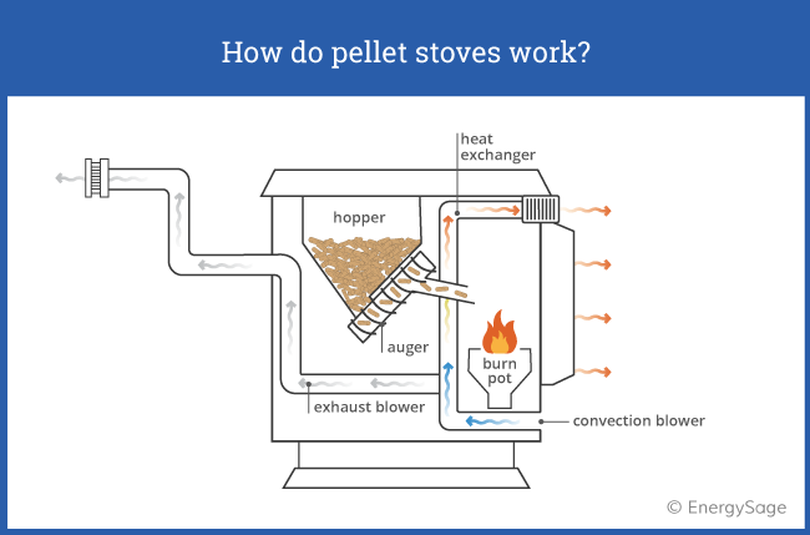
At their core, pellet stoves are designed to burn biomass, specifically pellets, to produce heat. The process is straightforward:
- The pellets are fed into the stove’s hopper.
- A dosing system, often integrated with a central heating unit, controls the airflow and fuel supply.
- The combustion chamber ignites the pellets, producing heat that’s then transferred to the surrounding environment through a chimney or vent.
There are several types of pellet stoves available on the market, including:
- Stove
- Termostove
- Caldaie
- Termocucine
These devices can be programmed, feature digital displays, and even allow for remote control via smartphone apps. Some models work similarly to traditional furnaces, while others are designed with specific features like built-in ovens.
Choosing the Right Pellet Stove
The type of fuel you choose is a crucial factor in determining the efficiency and cost-effectiveness of your pellet stove. Biomass pellets offer several advantages over other fuels:
- Reduced space requirements: Pellets take up significantly less room than traditional fuels.
- Lower emissions: Pellet combustion produces fewer pollutants and greenhouse gases compared to coal or wood.
- Eco-friendly: The production process for biomass pellets is designed to be environmentally friendly.
To ensure optimal performance, it’s essential to select high-quality pellets specifically designed for your stove. You can find more information on pellet certification and quality standards in our article “Pellet, Certifications, and Quality.”
The Components of a Pellet Stove
A typical pellet stove consists of the following components:
- Hopper: Stores the fuel (pellets)
- Coclea: Helps to distribute heat evenly
- Dosing system: Regulates airflow and fuel supply
- Ventilator/convettore: Cools the combustion chamber
- Heat exchanger: Transfers heat from the stove to the surrounding environment
- Extraction of gases: Removes pollutants from the combustion process
- Flame arrestor: Safeguards against backdrafts
- Thermostat or temperature sensor: Regulates stove performance
- Optional system for canalizing heat: Directs heated air into specific areas of the home
Modern pellet stoves often feature advanced central heating units that optimize combustion efficiency and minimize emissions. These systems can also be programmed to adapt to changing temperatures and humidity levels.
Maintenance and Upkeep
Regular maintenance is crucial to ensure optimal performance from your pellet stove. This includes:
- Cleaning the stove and surrounding area
- Monitoring fuel quality and type
- Performing regular safety checks on the exhaust system
Some biomass pellets produce fewer residues than others, with a maximum of 0.7% of the total weight becoming cinder after combustion.
Calculating the Right Power for Your Home
Determining the optimal power output for your pellet stove depends on various factors, including:
- The size and insulation level of your home
- The number of occupants and their energy needs
- The efficiency of your stove
To calculate the right power for your home, you can use a simple formula:
- Measure the volume of your home in cubic meters.
- Multiply this volume by a coefficient representing the degree of thermal dispersion within your home (typically between 0.040 and 0.060).
- This will give you an estimated kW requirement.
For example, let’s assume you have a 100 sq.m apartment with a ceiling height of 2.50 meters. The calculation would be:
2.5 m x 100 sq.m = 250 cubic meters
250 m³ x 0.050 (coefficient) = 12 kW
Considerations for Homeowners
Before installing a pellet stove, it’s essential to consider the following factors:
- Space constraints: Ensure that your home has sufficient space for the stove and chimney.
- Ventilation: Check if your home already has adequate ventilation or if you’ll need to install a separate venting system.
- Budget: Determine how much you’re willing to invest in the stove, installation, and fuel costs.
Types of Pellet Stoves
There are several types of pellet stoves available on the market, each with unique features and benefits:
- Wood-burning stoves: These stoves burn wood pellets for heat and can be a more cost-effective option.
- Gas pellet stoves: These stoves use compressed gas to ignite the fuel and produce heat.
- Electric pellet stoves: These stoves use electricity to power the combustion process.
- Multi-fuel stoves: These stoves can burn multiple types of biomass fuels, including wood pellets and agricultural waste.
Benefits of Using a Pellet Stove
Pellet stoves offer several benefits compared to traditional heating sources:
- Reduced space requirements: Pellets take up significantly less room than traditional fuels.
- Lower emissions: Pellet combustion produces fewer pollutants and greenhouse gases compared to coal or wood.
- Eco-friendly: The production process for biomass pellets is designed to be environmentally friendly.
- Low maintenance: Pellet stoves require minimal upkeep, as they don’t produce ash or other residues.
Cost Considerations
When considering a pellet stove, it’s essential to factor in the following costs:
- Purchase price: This can range from $500 to $5,000 or more, depending on the model and features.
- Installation cost: This can vary between $1,000 to $3,000, depending on the complexity of the installation.
- Fuel costs: The cost of fuel pellets can range from $200 to $500 per year, depending on usage.
Conclusion
Pellet stoves offer an efficient, eco-friendly alternative to traditional heating sources. By understanding how they work and what factors influence their performance, you can make an informed decision when choosing the right stove for your needs.
Here are some frequently asked questions about pellet stoves:
Q: What are the benefits of using a pellet stove?
A: Pellet stoves offer reduced space requirements, lower emissions, and eco-friendliness compared to traditional fuels.
Q: How do I choose the right pellets for my stove?
A: Look for high-quality pellets specifically designed for your stove and consider certification standards such as EN 14973 or Ecodesign Ready.
Q: What are some common types of pellet stoves available on the market?
A: Stove, termostove, caldaie, and termocucine are popular options, each with unique features and benefits.
Q: Can I control my pellet stove remotely via an app?
A: Some modern pellet stoves come equipped with smartphone apps for remote control, temperature adjustment, and scheduling.
Q: What is the estimated lifespan of a typical pellet stove?
A: The average lifespan of a pellet stove ranges from 15 to 25 years, depending on usage and maintenance.
Q: Are there any specific safety precautions I should take when using a pellet stove?
A: Always follow manufacturer guidelines for installation, operation, and maintenance. Regularly inspect the exhaust system for damage or wear.
Q: Can I use a pellet stove in combination with other heating sources?
A: Yes, many modern pellet stoves can be integrated with other heat sources, such as radiators or central heating systems.
Q: Are there any tax incentives or rebates available for purchasing a pellet stove?
A: Check with your local government for potential incentives and programs that may support the adoption of sustainable energy solutions like pellet stoves.


