
Introduction
In the vast expanse of the European and African continents, there lives an extraordinary creature that has adapted to thrive in diverse habitats. Meet the istrice, a rodent like no other, boasting impressive size, unique features, and an intriguing behavior. In this article, we will delve into the world of the istrice, exploring its habitat, diet, defense mechanisms, and social interactions.
Meet the Istrice: The Largest Rodent in Two Continents
The istrice belongs to the family Istricidae and is widely distributed across southern Europe and Africa. Its remarkable size makes it the largest rodent on two continents, with adults reaching up to 85 cm in length and weighing around 20 kg.
Physical Characteristics: A Study of Shape and Size
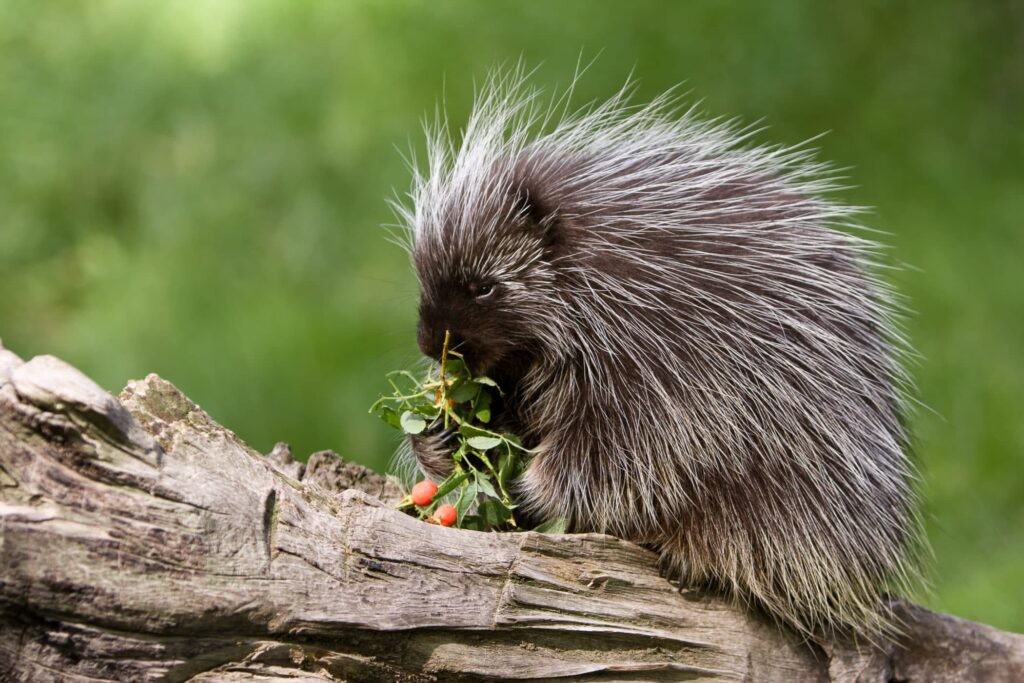
The istrice’s body is remarkably long, with a tail measuring 18 cm and a foot reaching up to 10 cm. Its ears are distinctive, protruding from the sides of its head, and can reach a height of approximately 4 cm. The dorsal zone is adorned with setae, while the central and groin areas feature aculei, earning it the nickname “spinosa” or “animal spinoso.”
Spinosa: A Name for the Istrice’s Unique Features
The term “spinosa” refers to the istrice’s spiny appearance, courtesy of its distinctive aculei. This unique characteristic sets it apart from other rodents, including the riccio, which has a vastly different appearance and behavior.
Key Differences Between Istrice and Riccio
While both animals are rodent-like creatures, they exhibit distinct characteristics. The riccio is an onnivore with shorter aculei, smaller size, and a more solitary lifestyle. In contrast, the istrice is herbivorous, social, and possesses longer aculei, making it a formidable opponent when threatened.
Defensive Mechanisms: Drizzling Setae and Aculei
When an istrice feels threatened, it employs its impressive defensive mechanisms to deter predators. By drizzling setae and aculei, the animal creates a barrier that can cause severe discomfort or even injury to potential attackers. This clever tactic has allowed the istrice to coexist with leopards in Africa, which have learned to respect its boundaries.
Social Structure: Gregarious and Social
Contrary to the solitary riccio, istrici are gregarious animals that often live in groups within their tans. These social clusters can be found in crevices, under rocks, or even abandoned burrows. The istrice’s ability to communicate with its peers through scent markings allows it to maintain its territory and avoid conflicts.
Astronomical Habitat: From Deserts to Mountains
Istrice habitats span from the scorching hot deserts of Africa to the mountainous regions of Europe. They inhabit grottos, caves, burrows, or even abandoned agricultural storage facilities. In these varied environments, they have adapted to survive and thrive.
Dietary Preferences: The Istrice’s Plant-Based Diet
As herbivores, istrici feed on a wide range of plants, including fruits, roots, bulbs, and underground stems. Their diet is diverse and nutritious, allowing them to maintain their impressive size. They have even been known to raid agricultural fields in search of edible crops.
Unique Characteristics: The Istrice’s Ability to Regulate Its Body Temperature
One of the most fascinating aspects of the istrice’s biology is its ability to regulate its body temperature. This unique characteristic allows it to survive in diverse environments, from scorching deserts to freezing mountains. By adjusting its metabolism and behavior, the istrice can maintain a stable body temperature, even in extreme conditions.
Conservation Status: The Istrice’s Place in the Ecosystem
As we continue to explore the world of the istrice, it becomes clear that these animals play a vital role in their ecosystems. As herbivores, they help to disperse seeds and maintain vegetation balance. However, habitat loss and fragmentation pose significant threats to their populations, making conservation efforts essential for protecting this incredible animal.
Interesting Facts: More About the Istrice
- The istrice’s name is derived from the Latin word “istrix,” meaning “hare-like.”
- In some cultures, the istrice is considered a sacred animal, revered for its intelligence and adaptability.
- Despite their size, istrici are agile and nimble creatures, able to navigate complex networks of tunnels and burrows with ease.
Conclusion: The Unconventional Hero of the Animal Kingdom
In conclusion, the istrice is an incredible creature that has captured our imagination with its unique features, intriguing behavior, and impressive adaptations. As we continue to explore and learn more about this extraordinary rodent, we are reminded of the importance of conservation efforts and respect for these magnificent animals.
Frequently Asked Questions:
Q1: What is the average lifespan of an istrice?
A1: Unfortunately, there isn’t much information available on the istrice’s lifespan in the wild. However, studies suggest that they may live up to 5-7 years in captivity.
Q2: Are istrici aggressive towards humans?
A2: While they can be defensive when threatened, it’s rare for an istrice to attack a human directly. Their primary goal is to avoid confrontation and maintain their territory.
Q3: Can I keep an istrice as a pet?
A3: Due to their specific dietary needs and habitat requirements, keeping an istrice as a pet might be challenging. It’s recommended that enthusiasts prioritize observing these animals in their natural habitats or supporting reputable sanctuaries.
Q4: Are istrici endangered?
A4: Although not currently listed as an endangered species, the istrice population is vulnerable to habitat loss and fragmentation due to human activities. Conservation efforts are essential for protecting this incredible animal.
Q5: Can I spot an istrice in its natural habitat?
A5: If you’re interested in spotting an istrice in the wild, research local areas where they have been known to inhabit, such as deserts or mountainous regions. Keep a safe distance and respect their territory to avoid disturbing them.
Q6: What is the average weight of an adult istrice?
A6: Adults can weigh between 15-25 kg (33-55 lbs), making them one of the largest rodents on two continents.
Q7: Can istrici be found in urban areas?
A7: Although less common, istrici have been known to venture into agricultural fields and nearby human settlements in search of food. Be cautious when approaching these animals, as they may become defensive if threatened.
Q8: Do istrici hibernate during winter?
A8: Unlike some other rodents, istrici do not truly hibernate but instead enter a state of dormancy to conserve energy during the cold winter months.
Additional Resources:
For those interested in learning more about the istrice and its fascinating biology, we recommend consulting reputable sources such as:
- National Geographic: “Istrice”
- The IUCN Red List: “Istrice (family Istricidae)”
- Scientific American: “The Amazing Istrice”
By supporting conservation efforts and promoting education about these incredible animals, we can work together to ensure the long-term survival of the istrice and its place in our ecosystems.


